Esports Pressure Management: Handling Competition Stress
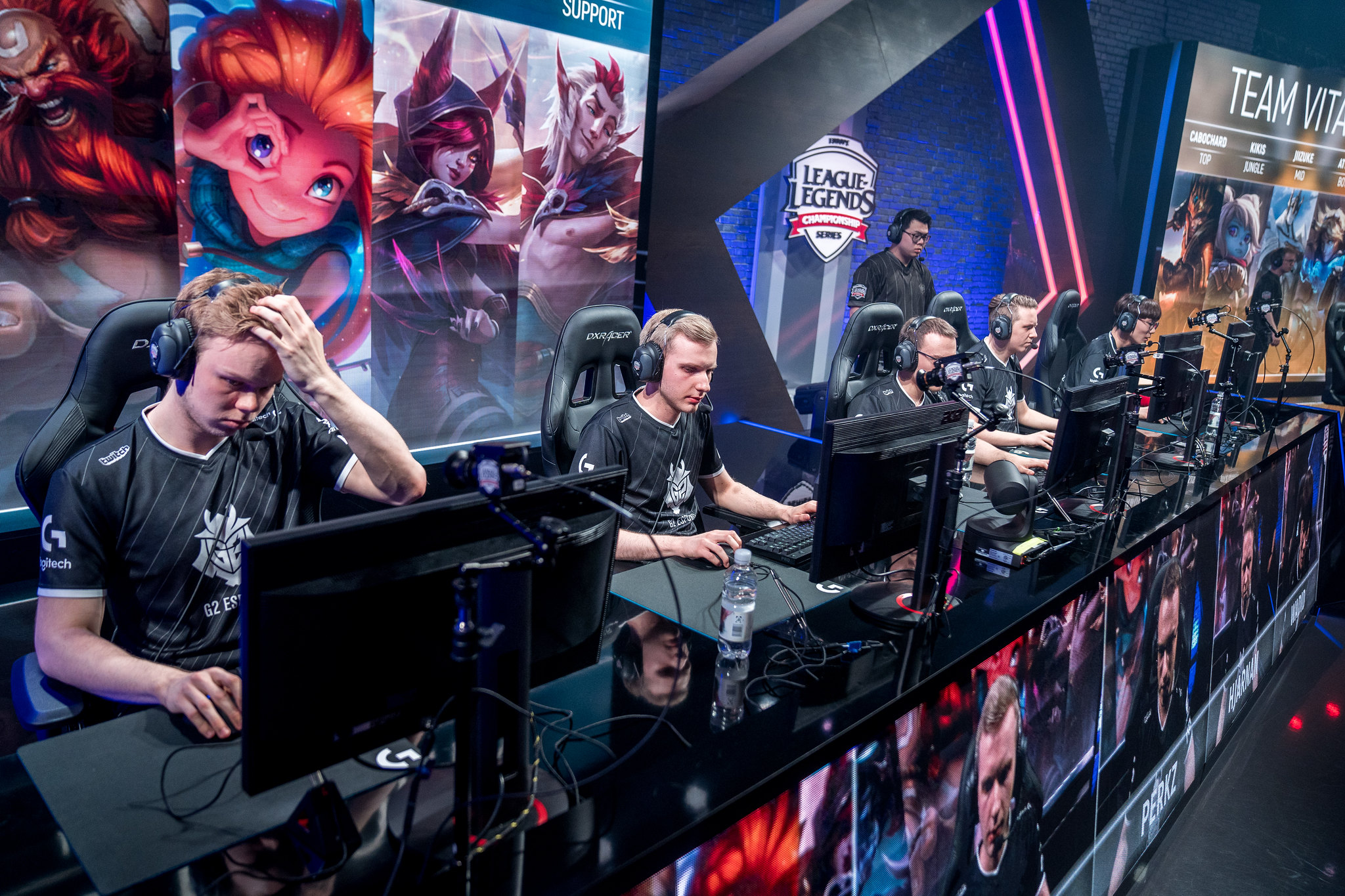
Ever felt your palms sweat, your heart race, and your mind blank right before a crucial match? You're not alone. The world of esports, while exhilarating, comes with its own unique set of pressures. Learning to navigate these pressures is just as important as mastering your game.
Many aspiring and even seasoned esports athletes find themselves struggling with the mental game. The fear of letting teammates down, the intense scrutiny of online audiences, and the relentless pursuit of improvement can take a serious toll. Constant comparison to others, feelings of inadequacy, and the burnout that comes from endless practice are all too common experiences in this high-stakes environment.
This guide aims to equip you with practical strategies for managing pressure and thriving under competitive stress in esports. We'll explore techniques for building mental resilience, maintaining focus, and cultivating a healthy relationship with competition. Our goal is to help you not only perform better but also enjoy the journey, no matter the outcome.
We'll dive into understanding the psychological pressures inherent in esports, debunking myths surrounding performance, and revealing secrets to maintaining composure. From proven techniques to personal anecdotes and practical tips, you'll discover ways to manage stress, stay focused, and cultivate a positive mindset. Ultimately, this guide provides a roadmap for excelling in the competitive arena while safeguarding your well-being. We'll touch on key areas such as: mental resilience, stress management, focus techniques, psychological pressures, performance myths, composure, positive mindset.
Understanding the Esports Mindset
The target of understanding the Esports Mindset is to clarify what mindset is required to handle the unique challenges of competitive gaming. It's about cultivating a mental state that promotes resilience, focus, and positive thinking, enabling players to perform at their best even under pressure.
I remember one particularly brutal online qualifier. We were heavily favored to win, and the pressure was immense. Every mistake felt magnified, and the trash talk in chat was relentless. I let the negativity get to me, my focus shattered, and our team crumbled. That experience taught me a valuable lesson: raw skill is only half the battle. The mental aspect is just as, if not more, crucial. Understanding your triggers, managing your emotions, and maintaining a positive outlook are essential for long-term success in esports. The mindset that works in solo practice is often very different from the one you need during intense competition. You need to be able to adapt, stay calm, and trust in your abilities, even when things get tough. That means understanding your own psychological vulnerabilities and actively working to strengthen them. It is a skill that can be developed through conscious effort and the right techniques. The key is to identify what works best for you and integrate it into your training routine, much like you would practice your mechanics or strategy.
What is Esports Pressure?
Esports pressure refers to the psychological and emotional strain experienced by players during competitive gaming. It arises from factors like performance expectations, the fear of failure, audience scrutiny, and the intensity of competition. Understanding the sources and effects of this pressure is the first step toward managing it effectively.
The pressure in esports is a multifaceted phenomenon. It's not simply about winning or losing; it encompasses a wide range of anxieties and stressors. These include the pressure to maintain a high skill level, the fear of making mistakes, the pressure to perform consistently over long periods, and the pressure to meet the expectations of fans, teammates, and sponsors. Furthermore, the social aspect of esports can amplify the pressure. Players often face public criticism and scrutiny, both online and offline. The constant barrage of comments, feedback, and opinions can be overwhelming, especially for young players who are still developing their self-esteem. This can lead to feelings of anxiety, depression, and burnout. Managing pressure effectively requires a holistic approach that addresses both the individual's mental and emotional well-being and the environmental factors that contribute to the stress.
Esports: History and Myth
The history of esports pressure is intertwined with the evolution of competitive gaming itself. Early esports tournaments were often informal affairs with relatively low stakes. As esports grew in popularity and professionalism, the pressure on players intensified. The myth of the "clutch player" who thrives under pressure also plays a role, creating unrealistic expectations.
In the early days of esports, pressure was primarily self-imposed. Players were driven by a passion for the game and a desire to prove themselves. As esports evolved into a professional industry, the pressure became more external. Sponsors, teams, and fans started demanding results, and the stakes became much higher. This led to increased scrutiny and a greater fear of failure. The myth of the clutch player is a common trope in esports narratives. These players are often portrayed as having an innate ability to perform at their best in high-pressure situations. While some players do possess a natural aptitude for handling pressure, the reality is that most players need to develop these skills through conscious effort and training. Furthermore, the emphasis on clutch plays can create unrealistic expectations and put undue pressure on players to perform flawlessly in critical moments.
The Hidden Secret
The hidden secret to managing esports pressure isn't about eliminating it entirely – it's about reframing your relationship with it. Pressure can be a motivator, a sign that you care about what you're doing. The key is to channel that energy constructively, rather than letting it paralyze you.
The hidden secret lies in recognizing that pressure is not inherently negative. It's a natural response to challenging situations, and it can actually enhance performance if managed effectively. The key is to develop a mindset that embraces pressure as an opportunity for growth, rather than viewing it as a threat. This involves shifting your focus from the fear of failure to the excitement of the challenge. It also requires developing a strong sense of self-belief and confidence in your abilities. Furthermore, the hidden secret involves prioritizing your mental and physical well-being. This means getting enough sleep, eating a healthy diet, and engaging in regular exercise. It also means taking breaks from gaming and engaging in activities that help you relax and recharge. By taking care of yourself, you'll be better equipped to handle the pressures of esports.
Recommendations
Our recommendation is to integrate mental training into your regular practice routine. This could include mindfulness exercises, visualization techniques, or working with a sports psychologist. It's about making mental preparation a consistent part of your overall training regimen.
We strongly recommend incorporating mental training into your daily routine, just as you would practice your mechanics or strategy. Mental training can take many forms, including mindfulness exercises, visualization techniques, and cognitive behavioral therapy (CBT). Mindfulness exercises can help you stay present and focused during intense moments, while visualization techniques can help you prepare for specific scenarios and build confidence. CBT can help you identify and challenge negative thoughts and beliefs that contribute to anxiety and stress. It's also highly recommended to seek guidance from a qualified sports psychologist. A sports psychologist can provide personalized strategies and support to help you manage pressure, improve your mental toughness, and enhance your overall performance. They can also help you identify any underlying mental health issues that may be contributing to your stress.
Practice Mindfulness
Mindfulness is the practice of paying attention to the present moment without judgment. In esports, this can help you stay focused on the game, avoid getting distracted by negative thoughts, and react more calmly to stressful situations.
Mindfulness is a powerful tool for managing pressure and improving performance in esports. By practicing mindfulness, you can learn to observe your thoughts and feelings without getting carried away by them. This allows you to stay present and focused on the game, even in the face of intense pressure. There are many different ways to practice mindfulness. One common technique is to focus on your breath, paying attention to the sensation of each inhale and exhale. Another technique is to observe your thoughts and feelings as they arise, without trying to judge or control them. You can also practice mindfulness during your gaming sessions by paying attention to the details of the game, such as the sound of the keyboard, the movement of the mouse, and the visual cues on the screen. By incorporating mindfulness into your daily routine, you can develop a greater sense of self-awareness and emotional regulation. This will help you stay calm and focused under pressure and make better decisions in critical moments.
Tips for Managing Esports Pressure
Develop pre-match rituals to center yourself. Break down overwhelming goals into smaller, manageable steps. Celebrate small victories to build momentum and confidence. These are all practical tips you can implement immediately to better handle the demands of competitive gaming.
One crucial tip is to develop pre-match rituals that help you center yourself and prepare mentally for competition. This could involve listening to music, doing some stretching, or practicing visualization techniques. The key is to find a routine that helps you feel calm, focused, and confident. Another important tip is to break down overwhelming goals into smaller, more manageable steps. This can help you avoid feeling overwhelmed and make progress towards your goals more attainable. For example, instead of focusing on winning a tournament, focus on improving your individual performance in each match. It is important to celebrate small victories along the way. This can help you build momentum and confidence, which can be crucial for maintaining motivation and resilience. Recognize and acknowledge your achievements, no matter how small they may seem.
Build a Support System
Having a strong support system of friends, family, or teammates can provide emotional support and help you cope with the challenges of esports. Talking about your feelings and experiences can be incredibly helpful in managing stress and preventing burnout.
Building a solid support system is fundamental to managing the pressures of esports effectively. This system can include friends, family, teammates, coaches, or even a therapist. Sharing your experiences and emotions with trusted individuals can provide a much-needed outlet for stress and help you gain perspective. A support system offers more than just emotional comfort; it provides a space for honest feedback and constructive criticism. Teammates, for instance, can offer insights into your gameplay and identify areas for improvement. Coaches can provide strategic guidance and help you develop a more resilient mindset. Friends and family can offer unconditional support and remind you of your worth beyond your esports achievements. Remember, seeking help is a sign of strength, not weakness. Actively cultivate relationships with people who uplift you, challenge you, and provide a safe space to express yourself. A strong support system will be your anchor during the inevitable storms of competitive gaming.
Fun Facts
Did you know that professional esports players often have performance coaches and sports psychologists on their team? Or that some teams use biofeedback technology to monitor and manage player stress levels? The world of esports is constantly evolving, and the focus on mental well-being is growing rapidly.
It's fascinating to learn about the behind-the-scenes efforts that teams and organizations invest in to support their players' mental well-being. The inclusion of performance coaches and sports psychologists underscores the recognition of the crucial role that mental fortitude plays in esports success. Biofeedback technology, which monitors physiological indicators like heart rate and brainwave activity, is also being used to help players manage their stress levels in real-time. This allows them to identify triggers and implement coping strategies to maintain composure during high-pressure situations. Furthermore, some teams are incorporating mindfulness training and meditation sessions into their training regimens to promote focus, reduce anxiety, and enhance overall well-being. These efforts highlight the growing awareness of the importance of mental health in esports and the commitment to providing players with the resources they need to thrive, both on and off the virtual battlefield.
How To Handle It
The most effective way to handle pressure in esports is to prepare for it proactively. This involves developing a mental toolkit of coping mechanisms, practicing stress management techniques, and building a strong sense of self-belief.
Proactive preparation is key to effectively handling the pressures of esports. This involves building a mental toolkit that you can draw upon during moments of stress and anxiety. This toolkit should include a variety of coping mechanisms, such as deep breathing exercises, visualization techniques, and positive self-talk. It's also important to practice these techniques regularly, so that they become second nature. Another crucial aspect of proactive preparation is building a strong sense of self-belief. This involves recognizing your strengths and accomplishments, and focusing on your progress rather than your setbacks. Remind yourself of your past successes and the skills you've developed along the way. This will help you stay confident and motivated, even when facing challenging situations. Also, learning how to effectively handle it by seeking out to someone and talking about how you feel.
What if You Can't?
If you find yourself consistently struggling to manage pressure, it's important to seek professional help. A therapist or sports psychologist can provide guidance and support in developing coping strategies and addressing any underlying mental health issues.
If you consistently struggle to manage pressure, it's essential to acknowledge that you're not alone and to seek professional help. A therapist or sports psychologist can provide invaluable guidance and support in developing effective coping strategies and addressing any underlying mental health issues that may be contributing to your stress and anxiety. They can help you identify your triggers, challenge negative thought patterns, and develop healthy ways to manage your emotions. Furthermore, they can teach you techniques for improving your focus, building your confidence, and enhancing your overall mental well-being. Seeking professional help is a sign of strength, not weakness. It's an investment in your mental health and your long-term success in esports. Remember, there's no shame in asking for help when you need it.
Listicle of Pressure Management Tips
1. Practice mindfulness meditation to stay present.
2. Develop pre-game rituals to focus your mind.
3. Break down goals into smaller steps.
4. Celebrate small wins to build confidence.
5. Build a strong support system.
6. Seek professional help if needed. These simple steps can make a big difference in your ability to manage pressure.
Here's a listicle of practical pressure management tips for esports players:
- Practice mindfulness meditation to cultivate present-moment awareness.
- Develop pre-game rituals to center yourself and enhance focus.
- Break down overwhelming goals into smaller, manageable steps.
- Celebrate small wins to build momentum and boost confidence.
- Build a strong support system of friends, family, or teammates.
- Seek professional help from a therapist or sports psychologist if needed.
- Practice positive self-talk to combat negative thoughts.
- Visualize success to enhance confidence and prepare for competition.
- Develop effective breathing techniques to manage stress and anxiety.
- Prioritize your physical health by getting enough sleep, eating a healthy diet, and exercising regularly.
Implementing these tips can significantly improve your ability to manage pressure and thrive in the competitive world of esports.
Question and Answer
Q: How can I stay calm during a high-pressure match?
A: Focus on your breathing, visualize success, and remind yourself of your training.
Q: What can I do if I'm feeling overwhelmed by criticism?
A: Remember that not all criticism is valid, focus on constructive feedback, and surround yourself with supportive people.
Q: How important is sleep for managing pressure?
A: Adequate sleep is crucial for mental and physical recovery, improving focus, and reducing stress levels.
Q: How do I deal with the fear of failure?
A: Reframe failure as a learning opportunity, focus on effort rather than outcome, and celebrate your progress.
Conclusion of Esports Pressure Management: Handling Competition Stress
Mastering the mental game is just as crucial as honing your skills in the virtual arena. By understanding the nature of esports pressure, implementing practical strategies for managing stress, and cultivating a positive mindset, you can unlock your full potential and enjoy a more fulfilling competitive experience. Remember that mental resilience is a skill that can be developed over time, and with consistent effort, you can learn to thrive under pressure and achieve your goals.
Post a Comment