Esports Team Psychology: Mental Dynamics in Gaming Teams
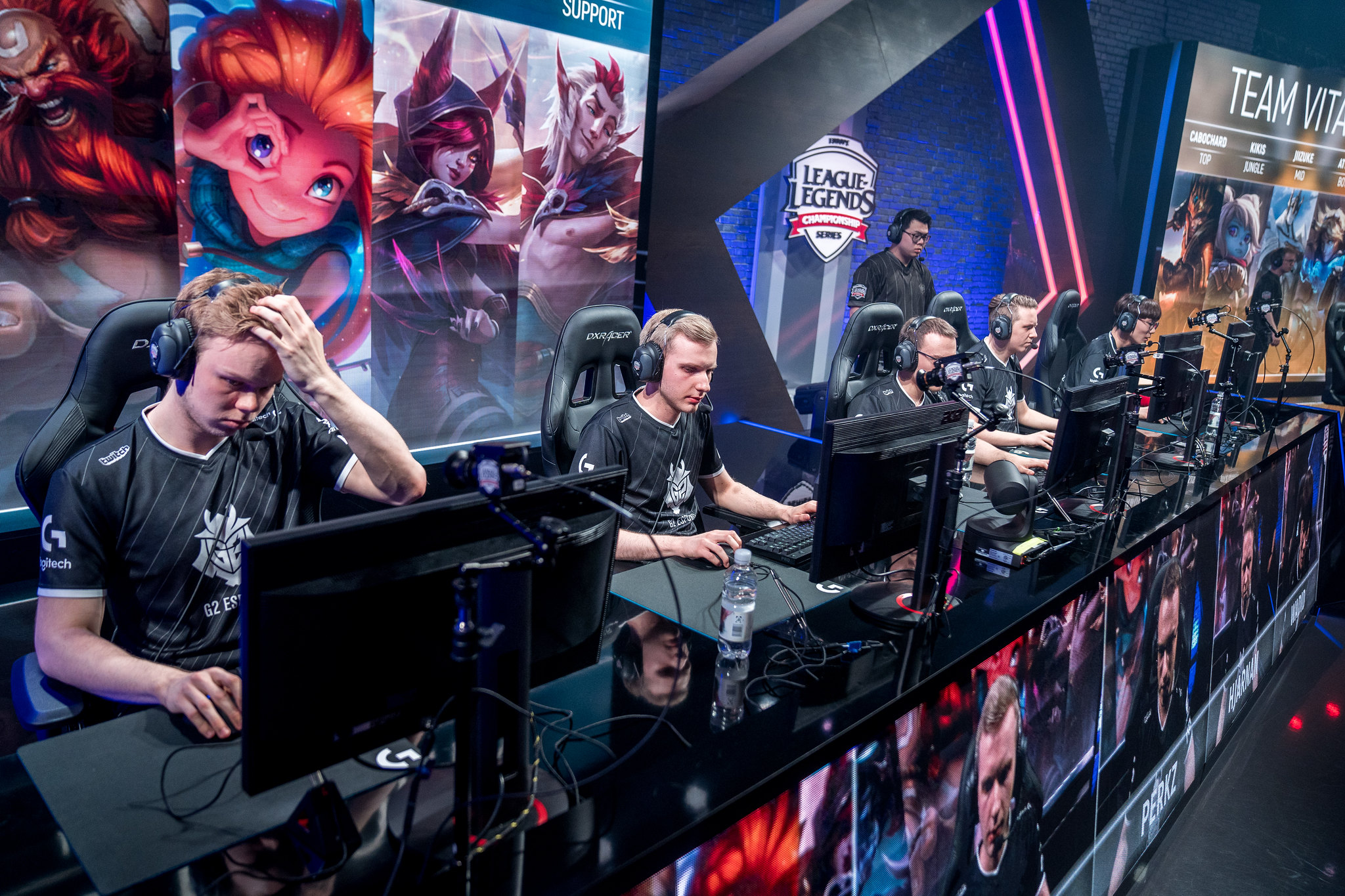
Ever wondered why some esports teams crumble under pressure while others rise to the occasion, seemingly unfazed? It's more than just skill and strategy; the secret weapon often lies within the minds of the players and their collective mental fortitude.
Esports teams face unique pressures that can severely impact performance. Imagine the stress of competing in front of thousands of viewers, the weight of team expectations, and the constant pressure to maintain peak performance. These factors can lead to communication breakdowns, decreased confidence, and an inability to adapt to changing game dynamics, ultimately hindering a team's success.
This article dives into the fascinating realm of esports team psychology, exploring the mental dynamics that shape performance in competitive gaming. We aim to understand how psychological principles can be applied to enhance teamwork, communication, and resilience in esports teams, ultimately leading to improved results and a more sustainable competitive environment.
We will explore the crucial role of team cohesion, communication strategies, stress management techniques, and leadership styles in fostering a positive and high-performing team environment. Key terms such as motivation, confidence, resilience, and emotional regulation will be discussed within the context of esports, offering practical insights for players, coaches, and team managers alike.
Understanding Team Cohesion
Team cohesion is essentially the glue that holds a team together. It's the degree to which team members are attracted to each other, motivated to stay on the team, and unified in their pursuit of common goals. In esports, where split-second decisions and seamless coordination are critical, strong team cohesion can be the difference between victory and defeat. I remember one time, playing in a local tournament, our team's communication completely broke down after a series of losses. We started blaming each other, second-guessing decisions, and ultimately, our performance spiraled. Looking back, it was clear that our team cohesion had evaporated under pressure.
High team cohesion leads to better communication, increased trust, and a willingness to support each other, even in challenging situations. This translates to more effective in-game strategies, better coordination during team fights, and a stronger ability to adapt to unexpected events. Conversely, low team cohesion can lead to infighting, decreased motivation, and a lack of trust, resulting in poor performance and a higher risk of burnout. Coaches and team managers can actively foster team cohesion through team-building activities, open communication channels, and by promoting a culture of mutual respect and support. Understanding the psychology behind team dynamics is key to building a successful and sustainable esports team.
The Importance of Effective Communication
Communication in esports goes far beyond simply relaying information; it's about creating a shared understanding, fostering trust, and enabling rapid decision-making under pressure. Consider the fast-paced environment of a game like Counter-Strike: Global Offensive, where players need to communicate enemy positions, tactical maneuvers, and resource availability in a matter of milliseconds. Effective communication is the lifeblood of a successful team, allowing them to coordinate strategies, adapt to changing circumstances, and capitalize on opportunities.
Poor communication, on the other hand, can lead to confusion, missed opportunities, and ultimately, defeat. This can manifest in various ways, from unclear callouts during intense engagements to misinterpretations of team strategies. The key to improving communication lies in establishing clear communication protocols, actively listening to teammates, and providing constructive feedback. Teams can also benefit from practicing communication drills and role-playing scenarios to develop their ability to communicate effectively under pressure. Furthermore, addressing interpersonal conflicts promptly and fostering a culture of open and honest communication can significantly improve team performance and cohesion.
Debunking the Myth of the Lone Wolf
There's a pervasive myth in esports that individual skill trumps teamwork. While individual talent is undoubtedly important, the history of esports is littered with examples of highly skilled players who failed to achieve team success due to a lack of collaboration and communication. The truth is, esports is increasingly becoming a team-oriented endeavor, where the ability to work effectively with others is just as important, if not more so, than individual prowess.
The myth of the lone wolf often stems from a misunderstanding of the dynamics of team performance. While a single player might be able to carry a team to victory in certain situations, this is rarely sustainable in the long run. As the level of competition increases, teams need to rely on complex strategies, coordinated maneuvers, and a deep understanding of each other's strengths and weaknesses. This requires a high degree of teamwork and communication, which is simply not possible for a lone wolf mentality. Embracing a collaborative approach, fostering a sense of shared responsibility, and developing strong communication skills are essential for achieving sustained success in esports.
Unlocking Hidden Potential through Mental Training
The hidden secret to unlocking an esports team's full potential often lies in mental training. While physical practice and strategic analysis are essential, neglecting the mental aspect of the game can leave a team vulnerable to pressure, anxiety, and performance slumps. Mental training techniques, such as visualization, mindfulness, and cognitive restructuring, can help players develop resilience, improve focus, and manage their emotions effectively.
These techniques can be particularly beneficial in high-pressure situations, such as tournament finals or crucial matches. Visualization allows players to mentally rehearse successful scenarios, boosting their confidence and reducing anxiety. Mindfulness helps players stay present in the moment, avoiding distractions and focusing on the task at hand. Cognitive restructuring helps players challenge negative thoughts and replace them with more positive and constructive ones. By incorporating mental training into their regular practice routine, esports teams can unlock their hidden potential and achieve peak performance.
Recommended Strategies for Building Mental Resilience
Building mental resilience is a crucial aspect of esports team psychology. Highly resilient teams are better equipped to handle setbacks, adapt to changing circumstances, and maintain their focus under pressure. Several strategies can be employed to cultivate mental resilience within an esports team. First, it's essential to foster a growth mindset, where players view challenges as opportunities for learning and improvement rather than as threats to their self-worth.
Second, teams should focus on developing effective coping mechanisms for managing stress and anxiety. This can include relaxation techniques, mindfulness exercises, and open communication about emotional challenges. Third, it's important to build a strong support system within the team, where players feel comfortable sharing their struggles and receiving encouragement from their teammates. Finally, celebrating small victories and focusing on progress, rather than solely on outcomes, can help maintain motivation and build confidence. By consistently implementing these strategies, esports teams can develop the mental resilience needed to thrive in the face of adversity.
The Role of the Coach in Shaping Team Psychology
The coach plays a pivotal role in shaping the team psychology of an esports team. Beyond simply providing strategic guidance and technical training, the coach is responsible for fostering a positive and supportive team environment, promoting effective communication, and cultivating mental resilience among the players. A good coach understands the individual personalities and motivations of each team member and tailors their approach accordingly.
They act as a mentor, a motivator, and a mediator, helping players navigate the challenges of competitive gaming and reach their full potential. The coach sets the tone for the team's culture, establishing clear expectations for behavior, communication, and teamwork. They also play a crucial role in managing conflict, resolving disputes, and ensuring that all team members feel valued and respected. Furthermore, the coach is responsible for monitoring the mental and emotional well-being of the players and providing support when needed. By effectively shaping the team psychology, the coach can create a winning environment that fosters both individual growth and collective success.
Practical Tips for Improving Team Communication
Improving team communication requires a conscious effort and a commitment to implementing practical strategies. One essential tip is to establish clear communication protocols, including specific terminology for callouts, predefined roles for communication during team fights, and established channels for sharing information. Consistency in communication is key, as it minimizes the risk of misunderstandings and allows players to react more quickly and effectively.
Another important tip is to practice active listening. This involves paying close attention to what your teammates are saying, asking clarifying questions, and providing feedback to ensure that you have a shared understanding. Encourage open and honest communication, where players feel comfortable expressing their opinions, sharing their concerns, and providing constructive criticism. Regularly review team communication during practice sessions and identify areas for improvement. By consistently implementing these practical tips, esports teams can significantly enhance their communication skills and improve their overall performance.
Utilizing Psychological Assessments for Team Selection
Psychological assessments can be valuable tools for team selection in esports. These assessments can provide insights into a player's personality traits, cognitive abilities, and emotional intelligence, helping team managers identify individuals who are not only skilled but also well-suited for the demands of competitive gaming and the dynamics of teamwork. For example, assessments can be used to measure a player's stress tolerance, their ability to handle pressure, their communication style, and their level of empathy.
This information can be used to build teams with a balanced mix of personalities and skill sets, ensuring that the team is not only talented but also cohesive and resilient. However, it's important to use psychological assessments ethically and responsibly, ensuring that they are administered by qualified professionals and that the results are interpreted in a fair and unbiased manner. Furthermore, it's crucial to remember that psychological assessments are just one piece of the puzzle, and should be used in conjunction with other evaluation methods, such as gameplay analysis and interviews.
Fun Facts about Esports Team Dynamics
Did you know that the psychological concept of "social loafing," where individuals exert less effort when working in a group, can also affect esports teams? It's true! Players might subconsciously rely on their teammates to carry them, leading to decreased individual performance. Also, the "mere-exposure effect," which suggests that people develop a preference for things they are familiar with, can explain why some teams stick together for extended periods, even if they're not always the most successful.
Fascinatingly, studies have shown that teams with a healthy balance of extroverted and introverted personalities tend to perform better than teams dominated by one type. Extroverts can bring energy and enthusiasm to the team, while introverts can provide thoughtful analysis and strategic planning. Furthermore, the "Hawthorne effect," where individuals modify their behavior when they know they are being observed, can explain why teams often perform better during official matches compared to scrimmages. Understanding these fun facts about esports team dynamics can provide valuable insights into the complex psychological factors that influence team performance.
How to Build a Championship-Winning Mindset
Building a championship-winning mindset requires a deliberate and consistent effort to cultivate specific psychological traits and attitudes. First and foremost, it's essential to develop unwavering self-belief and confidence. Players must believe in their abilities and their potential to achieve greatness. This can be fostered through positive self-talk, visualization, and focusing on past successes.
Second, it's crucial to embrace a growth mindset, viewing challenges as opportunities for learning and improvement rather than as threats to their self-worth. This allows players to bounce back from setbacks and continue pushing themselves to reach new heights. Third, cultivating resilience is essential for navigating the inevitable pressures and disappointments of competitive gaming. Players must develop effective coping mechanisms for managing stress, anxiety, and negative emotions. Finally, maintaining a strong focus on the process, rather than solely on the outcome, can help players stay motivated and engaged, even when faced with adversity. By consistently nurturing these psychological traits, esports teams can build a championship-winning mindset that propels them to success.
What If Esports Teams Prioritized Mental Health?
Imagine a world where esports teams prioritized mental health as much as physical training and strategic analysis. What would that look like? Firstly, we would see a significant reduction in player burnout and mental health issues. Players would have access to qualified mental health professionals who could provide support, guidance, and coping strategies for managing stress, anxiety, and depression.
Teams would foster a culture of open communication, where players feel comfortable sharing their struggles and seeking help when needed. Furthermore, there would be a greater emphasis on work-life balance, ensuring that players have adequate time for rest, relaxation, and personal activities. This would lead to happier, healthier, and more resilient players, who are better equipped to handle the demands of competitive gaming. Ultimately, prioritizing mental health would not only improve player well-being but also enhance team performance, creating a more sustainable and positive esports environment.
Listicle: Top 5 Mental Game Strategies for Esports Teams
1.Visualization: Encourage players to mentally rehearse successful scenarios before matches to boost confidence and reduce anxiety.
2.Mindfulness: Practice mindfulness exercises to help players stay present in the moment and avoid distractions during intense gameplay.
3.Cognitive Restructuring: Challenge negative thoughts and replace them with more positive and constructive ones to improve resilience.
4.Communication Protocols: Establish clear communication protocols to ensure effective coordination and minimize misunderstandings during matches.
5.Team Building Activities: Engage in team-building activities to foster team cohesion, trust, and a sense of shared purpose.
Question and Answer
Q: How can coaches identify players who might be struggling with their mental health?
A: Coaches can look for signs such as changes in mood, decreased performance, withdrawal from team activities, and increased irritability. Regular communication and observation are key to identifying potential issues.
Q: What are some effective strategies for managing stress during high-pressure matches?
A: Deep breathing exercises, positive self-talk, and focusing on the present moment can help players manage stress and maintain focus during high-pressure situations.
Q: How can teams build a culture of open communication and trust?
A: By establishing clear communication protocols, encouraging active listening, and fostering a safe space for players to share their thoughts and feelings without judgment.
Q: What role does leadership play in shaping team psychology?
A: Effective leaders can inspire and motivate their teammates, promote a positive team environment, and provide support during challenging times. Strong leadership is crucial for building a cohesive and resilient team.
Conclusion of Esports Team Psychology: Mental Dynamics in Gaming Teams
Esports team psychology is a critical factor in determining success in competitive gaming. By understanding the mental dynamics that shape team performance, implementing effective communication strategies, and cultivating mental resilience, esports teams can unlock their full potential and achieve sustained success. Prioritizing mental health and fostering a positive team environment are essential for creating a sustainable and thriving esports ecosystem. As the esports industry continues to evolve, the importance of team psychology will only continue to grow, making it a crucial area of focus for players, coaches, and team managers alike.
Post a Comment