Gaming Addiction Medication: Pharmaceutical Treatment Options
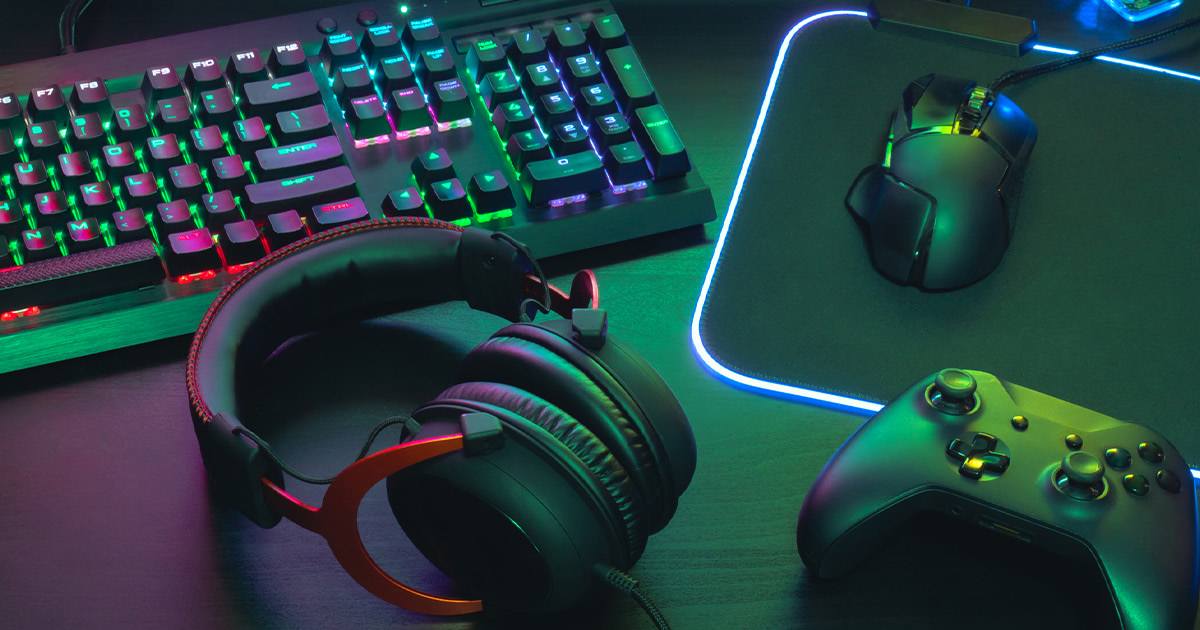
Imagine a world where the digital realm, once a source of joy and connection, becomes a prison. Where the lines between reality and virtuality blur, and the compulsion to game overshadows everything else. Gaming addiction is a real struggle, and for some, it demands more than just willpower to overcome.
Many individuals grapple with the relentless urge to game, facing challenges in their personal relationships, academic pursuits, and professional lives. The constant craving can lead to feelings of isolation, anxiety, and depression, making it incredibly difficult to break free from the cycle.
This article delves into the potential role of pharmaceutical interventions in treating gaming addiction. We'll explore existing research, potential medications, and the importance of a comprehensive treatment approach that combines medication with therapy and lifestyle changes.
This discussion highlights the possibilities, limitations, and current understanding of pharmaceutical treatments for gaming addiction, a growing concern in our increasingly digital world. Key areas explored include the types of medications being investigated, the scientific rationale behind their use, the importance of combining medication with therapy, and the ethical considerations involved in using pharmaceuticals to treat behavioral addictions. This article will navigate through the complex landscape of addiction treatment, bringing together information about medication, gaming addiction, therapy options, and the future of treatment strategies.
Understanding the Neurobiology of Gaming Addiction
The human brain is an incredibly complex organ, and its reward system plays a crucial role in addiction. I remember when I first started playing video games; the sense of accomplishment after completing a difficult level was incredibly satisfying. That feeling is driven by the release of dopamine, a neurotransmitter associated with pleasure and reward. In individuals with gaming addiction, this reward system becomes hijacked. The brain starts to crave the dopamine rush from gaming, leading to compulsive behavior. It's very similar to how substance abuse works.
Understanding this neurobiological basis is key to exploring pharmaceutical interventions. Some medications aim to regulate neurotransmitter levels, potentially reducing cravings and withdrawal symptoms. Selective serotonin reuptake inhibitors (SSRIs), often used to treat depression and anxiety, may help manage co-occurring mental health conditions that contribute to gaming addiction. Other medications, like naltrexone, are used to block the effects of opioids and may help reduce the rewarding effects of gaming. While the research is still emerging, the goal is to rebalance brain chemistry and disrupt the addiction cycle.
The appeal of gaming often lies in its ability to provide instant gratification and escape from reality. This can be especially tempting for individuals struggling with stress, anxiety, or depression. Over time, the brain becomes wired to seek out these rewards, leading to a dependence on gaming. Pharmaceutical interventions are not a magic bullet, but they can provide a valuable tool in the treatment process. When combined with therapy, counseling, and lifestyle changes, medication can help individuals regain control over their lives and break free from the grip of gaming addiction.
Exploring Potential Medications
When we talk about pharmaceutical options, it's crucial to understand that there isn't a single medication specifically approved for gaming addiction. Instead, doctors and researchers are exploring the use of medications typically used for other conditions, such as depression, anxiety, and substance abuse, to see if they can help manage the symptoms of gaming addiction.
SSRIs, as mentioned earlier, are often prescribed to address underlying mental health issues that may contribute to gaming addiction. Medications like bupropion, which affects dopamine and norepinephrine, are also being investigated for their potential to reduce cravings and improve mood. Another option is naltrexone, which blocks opioid receptors in the brain and can reduce the rewarding effects of addictive behaviors. Clinical trials are ongoing to explore the efficacy of these medications in treating gaming addiction. It's important to remember that medication is just one piece of the puzzle. Therapy, support groups, and lifestyle changes are equally important for successful recovery.
The decision to use medication should be made in consultation with a qualified healthcare professional who can assess the individual's specific needs and determine the most appropriate treatment plan. Factors like the severity of the addiction, co-occurring mental health conditions, and potential side effects should all be carefully considered. Remember, the goal is to find a combination of treatments that work best for the individual, helping them to regain control over their lives and break free from the cycle of addiction.
The History and Myth of Gaming Addiction Medication
The concept of using medication to treat behavioral addictions like gaming addiction is relatively new. Historically, addiction was primarily viewed as a moral failing or a lack of willpower. As our understanding of the brain and addiction has grown, so has the recognition that behavioral addictions have a neurobiological basis, similar to substance use disorders.
One common myth is that medication is a "quick fix" for gaming addiction. This is far from the truth. Medication, if deemed appropriate, is just one component of a comprehensive treatment plan that includes therapy, counseling, and lifestyle changes. Another myth is that medication is only for "severe" cases of gaming addiction. The decision to use medication should be based on a careful assessment of the individual's needs and the severity of their symptoms. It's not about labeling someone as "severe" or "mild," but rather about providing the most effective and personalized treatment possible.
The history of addiction treatment is filled with misconceptions and stigma. By dispelling these myths and embracing a more scientific and compassionate approach, we can provide individuals struggling with gaming addiction with the support and resources they need to recover. Pharmaceutical interventions, when used responsibly and in conjunction with other treatments, can be a valuable tool in the fight against addiction.
Unveiling the Hidden Secrets of Gaming Addiction Medication
One of the lesser-known aspects of gaming addiction medication is the potential for off-label use. Because there aren't any medications specifically approved for gaming addiction, doctors may prescribe medications that are approved for other conditions, such as depression or anxiety, in an attempt to manage the symptoms of gaming addiction. This is known as "off-label" use, and it's a common practice in medicine.
Another hidden secret is the importance of individualized treatment. What works for one person may not work for another. Factors like genetics, personal history, and co-occurring mental health conditions can all influence how someone responds to medication. This is why it's so important to work with a qualified healthcare professional who can tailor the treatment plan to the individual's specific needs. Furthermore, the effectiveness of medication can also depend on the individual's willingness to engage in therapy and make lifestyle changes. Medication can help reduce cravings and improve mood, but it's up to the individual to take the necessary steps to break free from the addiction cycle.
Finally, it's crucial to be aware of the potential side effects of medication. All medications have potential side effects, and it's important to discuss these with your doctor before starting treatment. It's also important to monitor for any unexpected or bothersome side effects and report them to your doctor promptly. Open communication with your healthcare team is essential for ensuring the safe and effective use of medication in the treatment of gaming addiction.
Recommendations for Gaming Addiction Medication
If you or someone you know is struggling with gaming addiction, seeking professional help is the first and most important step. A qualified therapist or counselor can provide support, guidance, and evidence-based treatment strategies to help break free from the addiction cycle. When considering medication, it's essential to consult with a psychiatrist or other healthcare professional who specializes in addiction treatment.
They can assess the individual's specific needs, evaluate the potential benefits and risks of medication, and develop a personalized treatment plan. Remember, medication is just one component of a comprehensive approach. Therapy, support groups, and lifestyle changes are equally important for successful recovery. A holistic treatment plan might include cognitive behavioral therapy (CBT), which helps individuals identify and change negative thought patterns and behaviors. Family therapy can also be beneficial, as it helps family members understand the addiction and support the individual's recovery. Lifestyle changes, such as regular exercise, healthy eating, and engaging in non-gaming activities, can also play a significant role in the recovery process.
It's also important to be patient and persistent. Recovery from gaming addiction is a process, and it may take time to find the right combination of treatments that work best for the individual. There may be setbacks along the way, but it's important to stay committed to the recovery process and seek ongoing support from therapists, counselors, and support groups. With the right support and treatment, it is possible to break free from gaming addiction and live a fulfilling and meaningful life.
The Role of Therapy and Lifestyle Changes
While medication can play a role in managing the symptoms of gaming addiction, it's crucial to recognize that therapy and lifestyle changes are equally important components of a comprehensive treatment plan. Therapy can help individuals understand the underlying causes of their addiction, develop coping mechanisms for managing cravings, and learn strategies for preventing relapse.
Cognitive behavioral therapy (CBT) is a commonly used approach that focuses on identifying and changing negative thought patterns and behaviors. CBT can help individuals challenge their beliefs about gaming, develop healthier coping strategies, and learn to manage triggers that lead to gaming urges. Family therapy can also be beneficial, as it helps family members understand the addiction and provide support to the individual in recovery. In addition to therapy, lifestyle changes can also play a significant role in the recovery process. Regular exercise, healthy eating, and engaging in non-gaming activities can improve mood, reduce stress, and provide a sense of purpose and fulfillment.
Spending time in nature, pursuing hobbies, and connecting with friends and family can also help individuals break free from the isolation and loneliness that often accompany gaming addiction. It's important to create a balanced and fulfilling life that is not centered around gaming. By combining medication, therapy, and lifestyle changes, individuals struggling with gaming addiction can significantly increase their chances of recovery and build a healthier, more fulfilling life.
Tips for Managing Gaming Addiction
If you suspect you might be developing a gaming addiction, there are steps you can take to manage your gaming habits and prevent the problem from escalating. One of the most effective strategies is to set limits on your gaming time. Use a timer or app to track your gaming hours and stick to your predetermined limits. It can also be helpful to identify triggers that lead to excessive gaming.
Are you more likely to game when you're stressed, bored, or lonely? Once you identify your triggers, you can develop alternative coping strategies for managing those emotions. For example, if you game when you're stressed, try taking a walk, practicing relaxation techniques, or talking to a friend. Creating a schedule for your day can also help you manage your time and prevent you from spending too much time gaming. Schedule activities like work, school, exercise, and social events to fill your time and keep you engaged in other areas of your life. Another important tip is to find alternative activities that you enjoy.
Explore hobbies, sports, or other interests that can provide you with a sense of pleasure and accomplishment. Connecting with friends and family is also crucial for managing gaming addiction. Spend time with loved ones, engage in social activities, and build strong relationships. Isolation can exacerbate gaming addiction, so it's important to maintain social connections and avoid spending too much time alone. If you're struggling to manage your gaming habits on your own, don't hesitate to seek professional help. A therapist or counselor can provide you with support, guidance, and evidence-based treatment strategies to help you break free from the addiction cycle.
The Importance of Support Systems
Having a strong support system is crucial for overcoming any addiction, including gaming addiction. Support systems can provide encouragement, accountability, and a sense of belonging, which can be invaluable during the recovery process. One way to build a support system is to connect with friends and family members who are understanding and supportive of your efforts to break free from gaming addiction.
Share your struggles with them, ask for their help, and let them know how they can best support you. Joining a support group for gaming addiction can also be incredibly beneficial. Support groups provide a safe and supportive environment where you can connect with others who are going through similar experiences. You can share your stories, learn from others' experiences, and receive encouragement and support from people who understand what you're going through. Another option is to seek professional support from a therapist or counselor.
A therapist can provide you with individual counseling, helping you to understand the underlying causes of your addiction, develop coping mechanisms for managing cravings, and learn strategies for preventing relapse. They can also help you build a stronger support system by connecting you with resources and support groups in your community. Remember, you don't have to go through this alone. Building a strong support system can significantly increase your chances of successful recovery from gaming addiction.
Fun Facts about Gaming Addiction Medication
Did you know that some of the medications being explored for gaming addiction were originally developed to treat conditions like obsessive-compulsive disorder (OCD) and attention-deficit/hyperactivity disorder (ADHD)? These medications work by targeting specific neurotransmitters in the brain that are thought to play a role in addictive behaviors. Another interesting fact is that research on gaming addiction medication is still in its early stages.
While there have been some promising studies, more research is needed to determine the effectiveness and safety of these medications for treating gaming addiction. It's also worth noting that the use of medication for gaming addiction is often controversial. Some people argue that medication is unnecessary and that therapy and lifestyle changes are sufficient for recovery. Others believe that medication can be a valuable tool for managing the symptoms of gaming addiction and helping individuals break free from the addiction cycle. Another fun fact is that some studies have explored the use of virtual reality (VR) therapy to treat gaming addiction.
VR therapy can provide a safe and controlled environment where individuals can confront their gaming urges and practice coping strategies. This approach is still relatively new, but it shows promise as a potential treatment option for gaming addiction. Finally, it's important to remember that gaming addiction is a complex condition that requires a comprehensive treatment approach. Medication, therapy, lifestyle changes, and support systems all play a crucial role in the recovery process.
How to Get Help for Gaming Addiction
If you're concerned that you or someone you know may have a gaming addiction, the first step is to acknowledge the problem. Recognizing that there is an issue is essential for seeking help and starting the recovery process. Once you've acknowledged the problem, the next step is to seek professional help. A therapist or counselor who specializes in addiction treatment can provide you with support, guidance, and evidence-based treatment strategies to help you break free from the addiction cycle.
They can also assess the severity of the addiction and determine whether medication is an appropriate treatment option. To find a qualified therapist or counselor, you can ask your doctor for a referral, contact your insurance company for a list of providers in your network, or search online directories of mental health professionals. When you're ready to seek help, be prepared to be honest and open with your therapist about your gaming habits, your feelings, and your goals for recovery. The more information you share, the better they can help you develop a personalized treatment plan that meets your specific needs. Another important step in getting help for gaming addiction is to reach out to your support system.
Talk to your friends, family, and other loved ones about your struggles with gaming and ask for their support. They can provide you with encouragement, accountability, and a sense of belonging, which can be invaluable during the recovery process. Remember, you don't have to go through this alone. There are many people who care about you and want to help you break free from gaming addiction. By acknowledging the problem, seeking professional help, and reaching out to your support system, you can take the first steps toward recovery and build a healthier, more fulfilling life.
What if Gaming Addiction Goes Untreated?
If gaming addiction goes untreated, it can have a significant and detrimental impact on various aspects of a person's life. One of the most common consequences is a decline in mental health. Individuals with gaming addiction are at a higher risk of experiencing depression, anxiety, and other mood disorders. The constant focus on gaming can lead to social isolation, which can further exacerbate mental health problems.
In addition to mental health issues, untreated gaming addiction can also negatively affect physical health. Spending excessive amounts of time gaming can lead to a sedentary lifestyle, which increases the risk of obesity, cardiovascular disease, and other health problems. It can also cause eye strain, carpal tunnel syndrome, and other physical ailments. Furthermore, untreated gaming addiction can have a devastating impact on relationships. The individual may withdraw from family and friends, neglect their responsibilities, and become irritable or angry when confronted about their gaming habits. This can lead to conflict, resentment, and ultimately, the breakdown of relationships.
Academically, untreated gaming addiction can result in poor grades, missed classes, and even dropping out of school. The individual may struggle to focus on their studies, prioritize their responsibilities, and manage their time effectively. Professionally, untreated gaming addiction can lead to job loss, difficulty finding employment, and impaired career advancement. The individual may be late for work, miss deadlines, and struggle to perform their job duties due to their preoccupation with gaming. Overall, untreated gaming addiction can have far-reaching and devastating consequences, affecting mental health, physical health, relationships, academics, and career. Seeking treatment for gaming addiction is essential for preventing these negative outcomes and building a healthier, more fulfilling life.
Listicle of Gaming Addiction Medication
Here is a brief listicle of potential medication for gaming additction.
1. SSRIs (Selective Serotonin Reuptake Inhibitors): Medications like sertraline, fluoxetine, and paroxetine are commonly used to treat depression and anxiety, which often co-occur with gaming addiction. They work by increasing serotonin levels in the brain, which can improve mood and reduce anxiety.
2. Bupropion: This medication affects dopamine and norepinephrine levels in the brain, which can help reduce cravings and improve mood. It is sometimes used off-label to treat gaming addiction.
3. Naltrexone: This medication blocks opioid receptors in the brain, which can reduce the rewarding effects of addictive behaviors. It is sometimes used to treat gaming addiction, particularly if the individual is experiencing strong cravings.
4. Stimulant Medications: In some cases, stimulant medications like methylphenidate or amphetamine may be prescribed if the individual has co-occurring ADHD. These medications can help improve focus and attention, which can make it easier to resist gaming urges.
5. Anxiolytics: Medications like buspirone or benzodiazepines may be prescribed to manage anxiety symptoms that contribute to gaming addiction. However, benzodiazepines are typically used with caution due to their potential for dependence.
6. Mood Stabilizers: In some cases, mood stabilizers like lithium or valproate may be prescribed if the individual has co-occurring bipolar disorder or other mood disorders. These medications can help stabilize mood and reduce impulsivity.
7. Atypical Antipsychotics: These medications may be used in severe cases of gaming addiction, particularly if the individual is experiencing psychosis or other severe mental health symptoms.
8. Clonidine: This medication is sometimes used off-label to treat withdrawal symptoms from gaming addiction, such as anxiety, irritability, and sleep disturbances.
Remember, it's important to consult with a qualified healthcare professional who can assess your specific needs and determine the most appropriate treatment plan for your gaming addiction. Medication is just one component of a comprehensive approach, and therapy, support groups, and lifestyle changes are equally important for successful recovery.
Question and Answer
Here are some common questions about gaming addiction medication.
Q: Are there any medications specifically approved for gaming addiction?
A: No, there are currently no medications specifically approved for gaming addiction. However, doctors may prescribe medications off-label that are approved for other conditions, such as depression, anxiety, or substance abuse, to manage the symptoms of gaming addiction.
Q: How do these medications work?
A: The medications used to treat gaming addiction work by targeting specific neurotransmitters in the brain that are thought to play a role in addictive behaviors. For example, SSRIs increase serotonin levels, which can improve mood and reduce anxiety. Naltrexone blocks opioid receptors, which can reduce the rewarding effects of gaming.
Q: Is medication the only treatment option for gaming addiction?
A: No, medication is just one component of a comprehensive treatment plan. Therapy, support groups, and lifestyle changes are equally important for successful recovery.
Q: What are the potential side effects of these medications?
A: All medications have potential side effects, and it's important to discuss these with your doctor before starting treatment. Common side effects of SSRIs include nausea, insomnia, and sexual dysfunction. Naltrexone can cause nausea, headache, and dizziness. Bupropion can cause insomnia, anxiety, and seizures.
Conclusion of Gaming Addiction Medication
Navigating the world of gaming addiction and exploring potential pharmaceutical treatments requires a nuanced understanding. While no magic bullet exists, medications used for other conditions may offer some relief when combined with therapy and lifestyle changes. The journey to recovery is unique for everyone, and seeking professional help is the first crucial step in reclaiming control and finding a healthier path forward. Remember, you're not alone, and help is available.
Post a Comment