Gaming Anxiety Disorders: Games for Anxiety Management
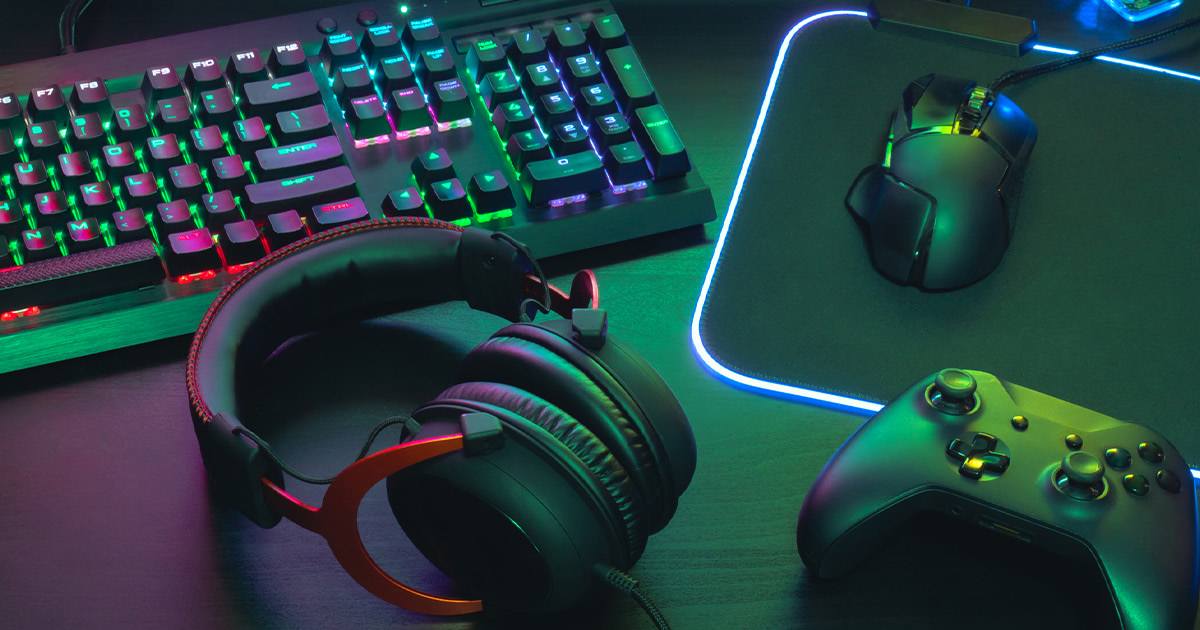
Ever feel your palms sweat and your heart race before queuing up for a competitive match? Gaming, while often a source of joy and relaxation, can also trigger anxiety for some. But what if games could actually help manage that anxiety?
It's frustrating when something you love to do starts causing feelings of unease or fear. The pressure to perform, the fear of letting teammates down, or even just the constant stimulation can create a cycle of anxiety that takes the fun out of gaming. You might find yourself avoiding games altogether, even though you still crave that connection and enjoyment.
This article explores the connection between gaming and anxiety, offering insight into how certain games and techniques can be used to manage anxiety symptoms. We'll delve into specific game recommendations and strategies that can transform your gaming experience from a source of stress to a tool for relaxation and well-being.
In essence, we're looking at how to turn the tables on gaming-related anxiety. By understanding the triggers and exploring therapeutic games, breathing techniques, and mindfulness practices, we can find ways to enjoy our favorite pastime without the accompanying stress. This journey will cover everything from identifying anxiety triggers in games to using games to cultivate calmness and focus, ultimately making gaming a positive force in our lives.
The Link Between Gaming and Anxiety
I remember a time when I was obsessed with a particular online shooter. I was determined to climb the ranks and prove myself. But with each match, the pressure mounted. My hands would shake, my breathing became shallow, and I'd berate myself for every mistake. It got to the point where I dreaded playing, even though I wanted to succeed. This experience made me realize how easily gaming can become a source of anxiety, especially when tied to performance and competition. But the beauty of gaming also offers some great potential to work with anxiety. It's a safe space to experiment with responses to triggers, and it is often removed enough from real-life stakes for it to be a learning opportunity. The link between gaming and anxiety isn't about the games themselves being inherently bad, but rather how they interact with our existing vulnerabilities. Games can trigger pre-existing anxiety disorders or create new ones if we aren't mindful of our mental well-being. The competitive nature of many online games, the potential for social judgment, and the fast-paced action can all contribute to heightened anxiety levels. Understanding these triggers is the first step towards managing them effectively. We need to approach gaming with self-awareness and be willing to adjust our habits to prioritize our mental health.
Understanding Gaming Anxiety
Gaming anxiety is more than just feeling a little stressed before a big match. It's a persistent and excessive worry or fear related to gaming activities. This can manifest in various ways, such as performance anxiety, social anxiety related to online interactions, or even anxiety about the time spent gaming and its impact on other aspects of life. A key indicator of gaming anxiety is when these feelings start to interfere with your enjoyment of the game or your ability to function in everyday life. You might start avoiding games you used to love, experience physical symptoms like headaches or stomachaches before playing, or find yourself constantly thinking about gaming even when you're not playing. Recognizing these signs is crucial for seeking help and finding strategies to manage the anxiety. This anxiety may be related to the fear of failing in front of others, or the fear of missing out on important updates, or the sense of needing to keep up. When we examine gaming anxiety, we can't ignore that gaming can have great value. Gaming is also a means of connecting with friends and community. Often individuals are weighing those benefits when deciding if or how they wish to modify their gaming habits.
The History and Myths of Gaming Anxiety
The concept of gaming anxiety is relatively new, emerging alongside the rise of online gaming and esports. In the past, gaming was often seen as a solitary hobby, but now it's a social and competitive landscape. This shift has brought about new pressures and anxieties, as players strive to perform well, maintain their online reputations, and keep up with the ever-evolving gaming world. A common myth is that gaming anxiety is just "being bad at games" or "not being able to handle the pressure." However, it's much more complex than that. Gaming anxiety can affect players of all skill levels, regardless of how "good" they are at the game. It's about the psychological and emotional impact of gaming, not just the outcome of a match. Another myth is that gaming anxiety is simply a result of spending too much time gaming. While excessive gaming can certainly contribute to anxiety, it's not always the sole cause. Underlying anxiety disorders, personality traits, and life circumstances can all play a role. The history of video games goes back over half a century now. As gaming continues to evolve, we will gain increased insight into mental health and its relationship to gaming.
Unveiling the Hidden Secrets of Gaming Anxiety Management
One of the hidden secrets of managing gaming anxiety is recognizing the power of customization. Many games offer a wealth of options to tailor the experience to your comfort level. This includes adjusting difficulty settings, muting toxic players, and even customizing the user interface to reduce visual clutter. Experimenting with these settings can significantly reduce anxiety triggers and create a more enjoyable gaming environment. Another often overlooked secret is the importance of setting boundaries. It's easy to get caught up in gaming for hours on end, especially when you're trying to improve your skills or compete with others. However, setting time limits and taking regular breaks is crucial for preventing burnout and reducing anxiety. Remember, gaming should be a source of enjoyment, not a chore. Schedule your gaming sessions, and stick to them. This can help you feel more in control of your time and reduce the anxiety associated with feeling like you're "wasting" your time. Another hidden secret is the power of breathing techniques and mindfulness. Anxiety often manifests in physical symptoms like rapid heart rate and shallow breathing. Learning simple breathing exercises can help you calm your nervous system and regain control in stressful situations. Mindfulness practices, such as focusing on the present moment and observing your thoughts and feelings without judgment, can also help reduce anxiety and improve your overall well-being.
Recommended Games for Anxiety Management
When it comes to games that can help manage anxiety, it's important to choose titles that promote relaxation, focus, and a sense of control. Games like Animal Crossingand Stardew Valleyare excellent choices, as they offer a calming and low-pressure environment where you can engage in creative activities and build relationships with virtual characters. These games often feature gentle music, beautiful visuals, and a lack of intense competition, making them ideal for unwinding after a stressful day. Puzzle games, such as Tetris Effectand Lumines, can also be beneficial for anxiety management. These games require focus and concentration, which can help to quiet racing thoughts and promote a sense of calm. The repetitive nature of the gameplay can also be soothing and meditative. For those who prefer more action-oriented games, titles like Minecraftand No Man's Skyoffer vast open worlds to explore and build in. These games allow you to set your own goals and pace, giving you a sense of control and freedom. The creative possibilities are endless, and you can spend hours lost in the game without feeling pressured or stressed. It's also worth considering games with strong narratives and engaging characters. Games like Life is Strangeand To the Mooncan provide a sense of emotional connection and empathy, which can be helpful for processing difficult emotions and reducing anxiety. These games often explore themes of loss, grief, and acceptance, and can offer a safe space to explore your own feelings.
Mindfulness Techniques While Gaming
Integrating mindfulness techniques into your gaming sessions can significantly reduce anxiety and enhance your overall experience. Start by paying attention to your breath. Before you begin playing, take a few deep breaths, inhaling slowly and exhaling fully. This can help to calm your nervous system and prepare you for a more focused and relaxed gaming session. During gameplay, be aware of your thoughts and feelings. If you notice yourself becoming anxious or frustrated, acknowledge those feelings without judgment. Instead of getting caught up in negative thoughts, try to shift your focus back to the present moment. Pay attention to the visuals, sounds, and tactile sensations of the game. This can help you to stay grounded and reduce the intensity of your anxiety. Another helpful technique is to practice mindful movement. If you're feeling tense, try stretching your body or doing some gentle exercises. This can help to release physical tension and improve your overall mood. You can also incorporate mindfulness into your decision-making process. Before making a move or taking an action in the game, pause for a moment and consider your options. This can help you to make more thoughtful and strategic decisions, rather than acting impulsively out of fear or anxiety. Another valuable technique is visualization. Imagine yourself succeeding in the game, achieving your goals, and enjoying the experience. This can help to boost your confidence and reduce performance anxiety. Remember, mindfulness is a practice, not a destination. Be patient with yourself and don't get discouraged if you find it difficult to stay present. With consistent effort, you can learn to integrate mindfulness into your gaming sessions and reap the many benefits.
Tips for Managing Gaming Anxiety
Managing gaming anxiety requires a multi-faceted approach. One of the most important things you can do is to identify your triggers. What specific situations or games tend to make you feel anxious? Is it competitive online matches? Certain types of games? Toxic players? Once you know your triggers, you can take steps to avoid them or develop strategies for coping with them. Another helpful tip is to set realistic expectations for yourself. Don't put too much pressure on yourself to perform well or win every game. Remember, gaming is supposed to be fun! Focus on enjoying the process and celebrating your small victories. It's also important to take breaks. Gaming for extended periods of time can lead to burnout and increased anxiety. Schedule regular breaks to get up, move around, and do something else that you enjoy. This can help to clear your head and reduce stress. Consider playing with friends or joining a supportive online community. Connecting with other gamers who understand your struggles can be incredibly helpful. You can share your experiences, offer each other support, and learn from each other's coping strategies. It's also crucial to prioritize your physical and mental health. Get enough sleep, eat a healthy diet, and exercise regularly. These habits can have a significant impact on your overall well-being and reduce your susceptibility to anxiety. If you're struggling with gaming anxiety, don't hesitate to seek professional help. A therapist or counselor can provide you with valuable tools and strategies for managing your anxiety and improving your overall mental health. They can also help you identify any underlying issues that may be contributing to your anxiety.
Deep Breathing Exercises for Calmness
Deep breathing exercises are a powerful tool for managing anxiety in any situation, including during gaming sessions. One popular technique is diaphragmatic breathing, also known as belly breathing. To practice this technique, sit or lie down in a comfortable position and place one hand on your chest and the other on your abdomen. Inhale slowly through your nose, allowing your abdomen to rise while keeping your chest relatively still. Exhale slowly through your mouth, allowing your abdomen to fall. Repeat this process for several minutes, focusing on the sensation of your breath. Another effective technique is box breathing. To practice this, inhale slowly for a count of four, hold your breath for a count of four, exhale slowly for a count of four, and hold your breath again for a count of four. Repeat this cycle for several minutes. Box breathing can help to regulate your heart rate and calm your nervous system. You can also try alternate nostril breathing, a yoga technique that involves closing one nostril with your finger and breathing through the other nostril. This can help to balance your energy and reduce anxiety. Experiment with different breathing techniques to find the ones that work best for you. Practice these techniques regularly, even when you're not feeling anxious, so that you can easily access them when you need them. Remember, deep breathing exercises are a simple but powerful way to manage anxiety and improve your overall well-being.
Fun Facts About Gaming and Anxiety
Did you know that some studies suggest that certain video games can actually improve cognitive function and reduce symptoms of anxiety and depression? Games that require problem-solving, strategic thinking, and quick decision-making can help to strengthen neural pathways in the brain and improve cognitive flexibility. Another interesting fact is that many professional esports players experience high levels of anxiety and stress. The pressure to perform at the highest level, the intense competition, and the constant scrutiny of fans and critics can take a toll on their mental health. This has led to increased awareness of the importance of mental health support in the esports industry. It's also worth noting that gaming can be a valuable tool for social connection and community building. Online games provide opportunities to connect with people from all over the world, share common interests, and build lasting friendships. For some people, gaming may be their primary source of social interaction. However, it's important to be mindful of the potential for cyberbullying and online harassment. Creating a safe and supportive online environment is crucial for ensuring that gaming remains a positive experience for everyone. Gaming has been used to treat symptoms of PTSD. Studies have revealed that the engagement gaming provide is a powerful way to draw people into the healing process. These facts highlight the complex relationship between gaming and anxiety. While gaming can certainly trigger anxiety for some people, it can also offer a range of benefits, including cognitive enhancement, social connection, and stress relief.
How to Use Games for Anxiety Management
Using games for anxiety management requires a deliberate and mindful approach. The first step is to choose games that are appropriate for your needs and preferences. As mentioned earlier, games that promote relaxation, focus, and a sense of control are generally good choices. Avoid games that are overly competitive, stressful, or triggering. Once you've chosen a game, create a comfortable and relaxing environment. Dim the lights, put on some calming music, and make sure you won't be disturbed. Before you start playing, take a few deep breaths and set an intention for your gaming session. What do you hope to achieve? Are you looking to relax, de-stress, or improve your focus? During gameplay, be mindful of your thoughts and feelings. If you notice yourself becoming anxious or frustrated, take a break. Step away from the game, do some deep breathing exercises, or engage in another relaxing activity. It's also important to set time limits for your gaming sessions. Avoid playing for extended periods of time, as this can lead to burnout and increased anxiety. Schedule regular breaks and make sure you're getting enough sleep, exercise, and social interaction. Consider using gaming as a tool for self-discovery. Pay attention to how different games make you feel. Which games help you to relax? Which games trigger your anxiety? By understanding your emotional responses to different games, you can gain valuable insights into your own triggers and coping mechanisms. Most importantly, remember to have fun! Gaming should be a source of enjoyment, not stress. If you're not enjoying yourself, it's time to take a break or try a different game.
What if Games Worsen Anxiety?
It's important to acknowledge that, despite their potential benefits, games can sometimes worsen anxiety for some individuals. If you find that gaming is consistently triggering or exacerbating your anxiety, it's crucial to take action and address the underlying issues. One possibility is that the games you're playing are simply not a good fit for your personality or coping style. Certain types of games, such as competitive online games or horror games, may be inherently anxiety-inducing for some people. In this case, it's best to avoid those games and focus on titles that are more calming and relaxing. Another possibility is that you're using gaming as a way to escape from your problems. While gaming can be a temporary distraction from stress and anxiety, it's not a long-term solution. If you're relying on gaming to cope with difficult emotions, you may be neglecting other important aspects of your life and neglecting needed mental health support. In this case, it's important to address the underlying issues that are contributing to your anxiety. This may involve seeking professional help, practicing mindfulness techniques, or making lifestyle changes. If you're spending excessive amounts of time gaming, it's also possible that you're developing a gaming addiction. Gaming addiction can have a significant impact on your mental and physical health, leading to anxiety, depression, and social isolation. If you suspect that you may be addicted to gaming, it's important to seek professional help and develop a plan for managing your gaming habits. Remember, your mental health is paramount. If gaming is consistently making you feel worse, it's time to re-evaluate your relationship with gaming and make changes that prioritize your well-being.
Listicle of Games for Anxiety Management
Here is a quick list to get you started.
1.Animal Crossing: New Horizons: Relaxing island life simulator with no pressure.
2.Stardew Valley: Farming and community building with a focus on relaxation.
3.Tetris Effect: Puzzle game with a calming and immersive soundtrack and visuals.
4.Minecraft: Open-world sandbox game with endless creative possibilities.
5.No Man's Sky: Vast universe to explore at your own pace.
6.Journey: Beautiful and serene adventure game with a focus on exploration.
7.Abzu: Underwater exploration game with stunning visuals and calming music.
8.Flower: Gentle and calming game where you control the wind and guide flower petals.
9.Monument Valley: Puzzle game with beautiful Escher-esque architecture.
10.Alto's Adventure/Odyssey: Simple and relaxing endless snowboarding/sandboarding games.
Question and Answer Section
Here are some common questions people have about gaming and anxiety:
Q: Is gaming inherently bad for anxiety?
A: No, gaming is not inherently bad for anxiety. However, certain types of games or gaming habits can trigger or exacerbate anxiety for some individuals. It's important to be mindful of your triggers and choose games that are appropriate for your needs and preferences.
Q: Can video games actually help with anxiety?
A: Yes, some video games can actually help with anxiety. Games that promote relaxation, focus, and a sense of control can be beneficial for managing anxiety symptoms. These games can provide a distraction from stressful thoughts, promote mindfulness, and offer a sense of accomplishment.
Q: What are some signs that gaming is contributing to my anxiety?
A: Some signs that gaming may be contributing to your anxiety include feeling anxious or stressed before or after gaming sessions, experiencing physical symptoms like headaches or stomachaches, neglecting other important aspects of your life, and feeling guilty or ashamed about your gaming habits.
Q: What can I do to manage gaming anxiety?
A: There are several things you can do to manage gaming anxiety, including identifying your triggers, setting realistic expectations, taking breaks, playing with friends or joining a supportive online community, prioritizing your physical and mental health, and seeking professional help if needed.
Conclusion of Gaming Anxiety Disorders: Games for Anxiety Management
The relationship between gaming and anxiety is complex and multifaceted. While gaming can be a source of stress and anxiety for some, it can also be a valuable tool for managing anxiety symptoms and promoting overall well-being. By understanding the potential triggers, choosing appropriate games, practicing mindfulness techniques, and prioritizing your mental health, you can transform your gaming experience from a source of stress to a source of relaxation, enjoyment, and personal growth. Remember, the key is to be mindful of your own needs and preferences and to approach gaming with a sense of self-awareness and balance. Whether you're seeking to reduce anxiety, improve focus, or simply unwind after a long day, the world of gaming offers a wealth of possibilities for enhancing your mental well-being. So, explore, experiment, and discover the games that resonate with you and help you to thrive.
Post a Comment