Gaming Boundaries Setting: Healthy Gaming Limits
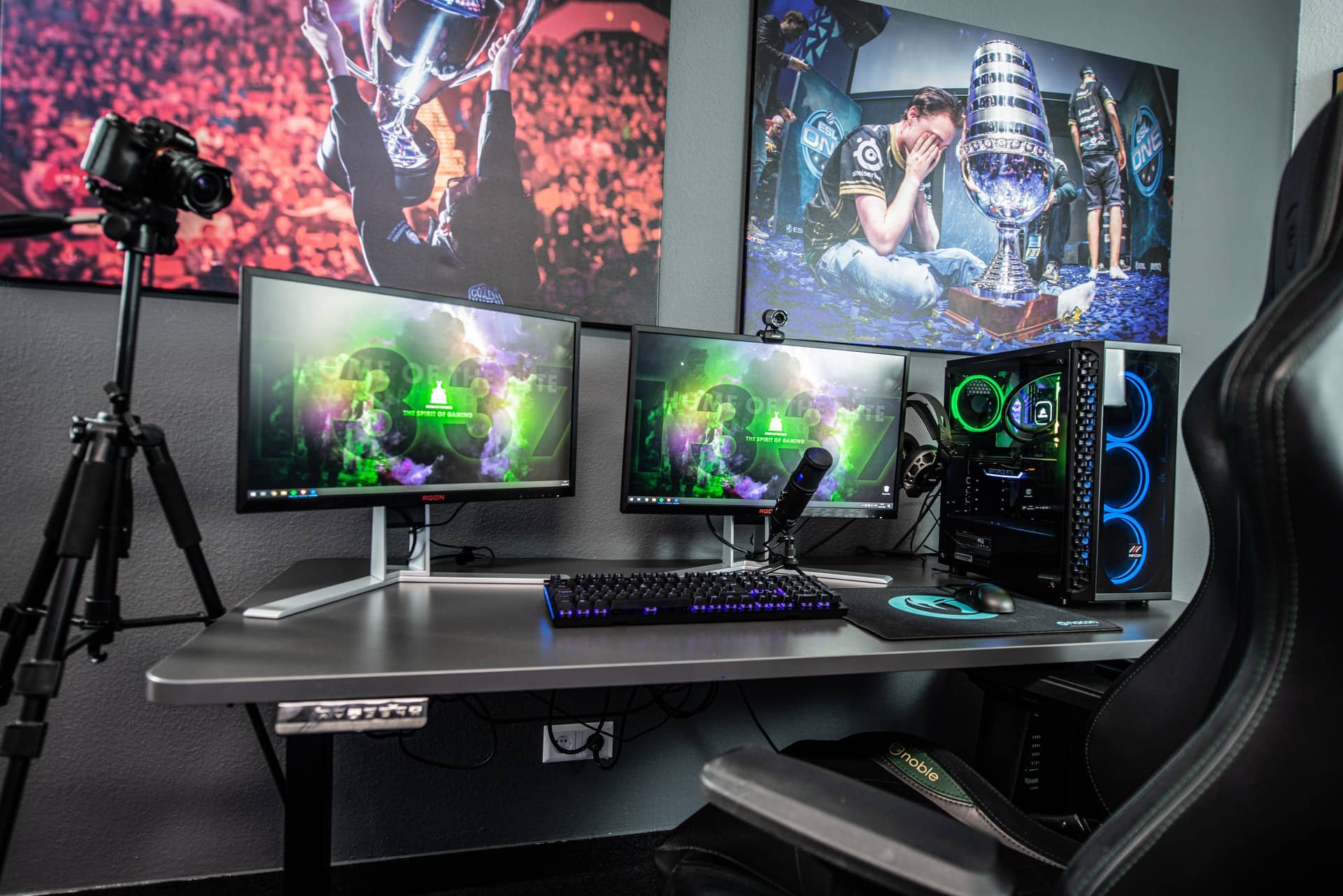
Ever found yourself bleary-eyed at 3 AM, controller still in hand, wondering where the evening went? Gaming can be an incredible source of fun, connection, and even skill-building, but sometimes it's hard to know when to power down and step away.
Many of us struggle with balancing our love for gaming with other responsibilities and needs. The thrill of victory, the camaraderie with fellow players, and the immersive worlds can be incredibly compelling, making it easy to lose track of time. This can lead to neglecting work, school, relationships, and even our own physical and mental well-being. It's a common challenge to find that sweet spot where gaming enhances our lives without taking over.
This post is all about helping you create healthy gaming habits that work for you. We'll explore practical strategies for setting boundaries, managing your time, and ensuring that gaming remains a positive and enjoyable part of your life, not a source of stress or guilt.
We'll delve into the importance of setting realistic gaming limits, the benefits of taking regular breaks, and the impact of gaming on sleep and overall health. By implementing these tips, you can enjoy your favorite games without compromising your well-being and other important aspects of your life. This guide will help you navigate the digital world responsibly and maintain a balanced lifestyle.
Recognizing When You Need a Break
It's easy to get caught up in the flow of a game, especially when you're on a winning streak or deeply engrossed in a compelling storyline. I remember a time when I was obsessed with an MMORPG. I'd come home from school, jump straight onto my computer, and play until my parents practically had to drag me away for dinner. Even then, I'd be thinking about my character, my quests, and my next strategy. I started neglecting my homework, skipping out on social events, and even sacrificing sleep just to squeeze in a few more hours of gameplay. Eventually, I realized that my grades were slipping, my friendships were suffering, and I was constantly exhausted. The game, which was once a source of enjoyment, had become a source of stress and anxiety. It was a wake-up call that I needed to reassess my relationship with gaming and set some serious boundaries.
The key is to become more aware of the signs that you're pushing yourself too hard. Are you experiencing headaches, eye strain, or stiff muscles? Are you feeling irritable, anxious, or depressed when you're not gaming? Are you neglecting your responsibilities or withdrawing from social activities? These are all red flags that you need to take a step back and re-evaluate your gaming habits. Recognizing these signs early on can help you prevent burnout and maintain a healthier balance in your life. It's about learning to listen to your body and mind and prioritizing your well-being above all else.
What Are Healthy Gaming Limits?
Healthy gaming limits are essentially the boundaries you set to ensure that gaming doesn't negatively impact your life. It's about consciously deciding how much time and energy you're willing to dedicate to gaming and sticking to those decisions. This involves setting time limits, prioritizing other activities, and being mindful of the potential consequences of excessive gaming. It's not about giving up gaming altogether, but rather about enjoying it in a way that complements your life rather than dominating it.
Setting healthy gaming limits can involve various strategies, such as scheduling specific gaming sessions, using timers to track your playtime, and establishing "no-gaming" zones or times. It also includes being aware of the psychological and physical effects of gaming, such as eye strain, fatigue, and addiction. By being proactive and mindful, you can create a gaming routine that supports your overall well-being and allows you to enjoy your favorite games without compromising your health or responsibilities. Ultimately, healthy gaming limits are about finding a sustainable and balanced approach to gaming that enhances your life rather than detracting from it.
The History and Myth of Gaming Limits
The concept of gaming limits isn't new, although it's become increasingly relevant in the digital age. In the early days of gaming, when arcades were the primary outlet, time limits were often imposed by the cost of each game. Players had a finite number of tokens and had to make strategic decisions about how to spend them. As gaming moved into the home, the issue of time management became more personal and self-regulated.
One common myth is that setting gaming limits is only necessary for people who are "addicted" to gaming. However, the truth is that everyone can benefit from setting boundaries, regardless of their level of engagement. Just like with any enjoyable activity, it's easy to overindulge and neglect other important aspects of life. Another myth is that gaming limits are restrictive and take the fun out of gaming. On the contrary, setting boundaries can actually enhance your enjoyment by preventing burnout and ensuring that you approach gaming with a fresh and energized perspective. By dispelling these myths, we can create a more positive and proactive approach to setting healthy gaming limits.
The Hidden Secret of Balanced Gaming
The hidden secret to balanced gaming isn't about strict rules or deprivation, but rather about self-awareness and mindful choices. It's about understanding your own motivations for gaming, recognizing your personal limits, and making conscious decisions that align with your overall goals and values. This involves asking yourself questions like: "Why am I gaming right now? Am I doing it out of boredom, stress, or genuine enjoyment? How will this affect my other responsibilities and relationships?"
By cultivating this level of self-awareness, you can make informed choices about your gaming habits and avoid falling into patterns of overindulgence or neglect. It's also about being honest with yourself about the potential negative consequences of excessive gaming, such as sleep deprivation, social isolation, and academic or professional setbacks. The secret to balanced gaming lies in your ability to be present, intentional, and proactive in managing your time and energy. This is a powerful tool that allows you to enjoy the benefits of gaming without sacrificing your overall well-being.
Recommendations for Healthy Gaming Habits
One of the best recommendations for healthy gaming habits is to schedule your gaming time just like you would any other important appointment. Set aside specific blocks of time for gaming and stick to them as much as possible. This will help you avoid spontaneous gaming sessions that can easily derail your schedule. Another recommendation is to take regular breaks during your gaming sessions. Get up, stretch, walk around, and give your eyes a rest. This will help prevent fatigue and improve your focus and concentration. It's also important to prioritize other activities and responsibilities in your life. Make sure you're dedicating enough time to work, school, relationships, and hobbies.
Communication is also key. Talk to your family and friends about your gaming habits and boundaries. Let them know when you're not available and when you need to take breaks. Having their support can make it easier to stick to your limits and maintain a healthy balance. Finally, be willing to adjust your gaming habits as needed. If you find that you're consistently exceeding your limits or neglecting your responsibilities, don't be afraid to make changes. The goal is to find a sustainable and enjoyable way to incorporate gaming into your life without sacrificing your well-being.
Breaking Down Gaming Sessions
When planning your gaming sessions, consider breaking them down into smaller, more manageable chunks. Instead of aiming for a marathon gaming session, try setting a timer for 30-60 minutes and taking a 10-15 minute break in between. This can help prevent fatigue and improve your focus. During your breaks, make sure to get up and move around. Do some stretches, walk around the house, or even do a few jumping jacks. This will help improve your circulation and prevent stiffness. Also, consider using blue light filters on your screens or wearing blue light glasses. This can help reduce eye strain and improve your sleep quality. It's important to stay hydrated and nourish your body with healthy snacks. Avoid sugary drinks and processed foods, which can lead to energy crashes. Instead, opt for water, fruits, vegetables, or nuts. By breaking down your gaming sessions and taking care of your physical needs, you can create a more sustainable and enjoyable gaming experience. Remember, it's not about how long you play, but how well you play and how you feel afterward.
Top Tips for Setting Gaming Boundaries
One of the most effective tips for setting gaming boundaries is to establish clear rules and expectations with yourself and others. This involves defining how much time you're willing to spend gaming each day or week and communicating those limits to your family and friends. It's also important to identify any potential triggers that might lead you to overindulge, such as stress, boredom, or social pressure. Once you're aware of these triggers, you can develop strategies for managing them in a healthy way.
Another helpful tip is to use technology to your advantage. There are many apps and programs that can help you track your gaming time, set reminders, and block access to certain games or websites. You can also set parental controls on your gaming devices to prevent yourself from exceeding your limits. It's important to remember that setting gaming boundaries is an ongoing process. Don't be discouraged if you slip up occasionally. Just learn from your mistakes and keep striving to create a balanced and healthy lifestyle. It's about making conscious choices that support your overall well-being and allow you to enjoy gaming without compromising your responsibilities.
Managing Time Effectively
Effective time management is crucial for maintaining healthy gaming habits. Start by creating a daily or weekly schedule that includes dedicated time for work, school, chores, social activities, and gaming. Prioritize your tasks and allocate your time accordingly. Use a planner, calendar, or to-do list to keep track of your commitments and deadlines. Be realistic about how much time you need for each task and avoid overcommitting yourself. When you're gaming, stick to your allotted time and avoid getting sidetracked by other activities. Turn off notifications and distractions to help you stay focused. It's also important to be flexible and adapt your schedule as needed. Life happens, and unexpected events can throw off your plans. Be willing to adjust your schedule to accommodate these changes without sacrificing your overall goals. By managing your time effectively, you can create a balanced lifestyle that allows you to enjoy gaming without neglecting your other responsibilities. It's about making conscious choices about how you spend your time and prioritizing the things that matter most to you.
Fun Facts About Gaming and Health
Did you know that gaming can actually have some positive effects on your health? Studies have shown that certain video games can improve cognitive skills such as problem-solving, critical thinking, and hand-eye coordination. Gaming can also be a great way to relieve stress and unwind after a long day. The immersive worlds and engaging gameplay can provide a much-needed escape from reality.
However, it's important to be aware of the potential negative effects of excessive gaming. Spending too much time gaming can lead to eye strain, fatigue, carpal tunnel syndrome, and other physical ailments. It can also contribute to social isolation, anxiety, and depression. That's why it's so important to set healthy gaming limits and prioritize your overall well-being. By being mindful of the potential risks and benefits, you can enjoy the positive aspects of gaming without compromising your health and happiness. It's all about finding a balanced and sustainable approach that works for you.
How to Establish Healthy Gaming Limits
Establishing healthy gaming limits starts with self-reflection. Ask yourself honest questions about your gaming habits: How much time do I spend gaming each day or week? Am I neglecting other responsibilities? Am I experiencing any negative physical or mental health effects? Once you have a clear understanding of your current habits, you can start setting realistic goals.
Start by setting small, achievable goals. For example, if you're currently spending 5 hours gaming each day, try reducing that to 4 hours. Once you've successfully maintained that limit for a week or two, you can gradually reduce it further. It's also helpful to create a dedicated gaming schedule. Set aside specific times for gaming and stick to them as much as possible. This will help you avoid spontaneous gaming sessions that can easily derail your schedule. Don't be afraid to ask for help from friends and family. Let them know about your goals and ask them to support you. They can help you stay accountable and provide encouragement when you're struggling. Establishing healthy gaming limits is a journey, not a destination. There will be times when you slip up, but don't get discouraged. Just learn from your mistakes and keep striving to create a balanced and healthy lifestyle.
What If You Can't Set Gaming Limits?
If you find yourself struggling to set and maintain healthy gaming limits, it's important to consider whether you might be experiencing symptoms of gaming disorder. Gaming disorder is a recognized mental health condition characterized by a persistent and recurrent pattern of gaming behavior that takes precedence over other life interests and daily activities, despite negative consequences.
If you suspect that you might have gaming disorder, it's important to seek professional help. A therapist or counselor can help you assess your gaming habits, identify any underlying issues, and develop strategies for managing your gaming behavior. There are also support groups available for people struggling with gaming addiction. These groups provide a safe and supportive environment where you can share your experiences and learn from others. Remember, seeking help is a sign of strength, not weakness. It's okay to admit that you're struggling and to reach out for support. With the right help and support, you can overcome your challenges and regain control of your life.
Listicle of Healthy Gaming Habits
Here's a listicle of healthy gaming habits to help you stay balanced:
- Set Time Limits: Decide how much time you'll spend gaming each day or week.
- Take Regular Breaks: Get up, stretch, and walk around every 30-60 minutes.
- Prioritize Other Activities: Make time for work, school, relationships, and hobbies.
- Communicate with Others: Let your family and friends know about your gaming schedule.
- Stay Hydrated and Nourished: Drink water and eat healthy snacks while gaming.
- Use Blue Light Filters: Protect your eyes from strain and improve sleep quality.
- Avoid Gaming Before Bed: Give yourself time to wind down before sleep.
- Be Mindful of Your Emotions: Recognize when gaming is becoming a source of stress or anxiety.
- Seek Support If Needed: Don't hesitate to ask for help from friends, family, or professionals.
- Celebrate Your Successes: Acknowledge and reward yourself for sticking to your limits.
Question and Answer
Q: How do I know if I'm spending too much time gaming?
A: If you're neglecting other responsibilities, experiencing negative physical or mental health effects, or feeling guilty about your gaming habits, you might be spending too much time gaming.
Q: What are some strategies for setting gaming boundaries?
A: Set time limits, prioritize other activities, communicate with others, use technology to your advantage, and seek support if needed.
Q: How can I make gaming more enjoyable and less stressful?
A: Take regular breaks, play with friends, choose games that you enjoy, and be mindful of your emotions. If you're feeling stressed or frustrated, take a break and come back later.
Q: What should I do if I'm struggling to set gaming limits on my own?
A: Talk to a therapist or counselor. They can help you assess your gaming habits, identify any underlying issues, and develop strategies for managing your gaming behavior.
Conclusion of Gaming Boundaries Setting: Healthy Gaming Limits
Finding the right balance with gaming is a personal journey. By understanding the potential pitfalls of excessive gaming and implementing practical strategies for setting boundaries, you can create a healthier and more fulfilling relationship with your favorite pastime. Remember, gaming should enhance your life, not control it. Embrace mindful gaming, prioritize your well-being, and enjoy the best of both worlds – the excitement of the digital world and the richness of real life.
Post a Comment