Gaming Cognitive Benefits: How Games Improve Brain Function
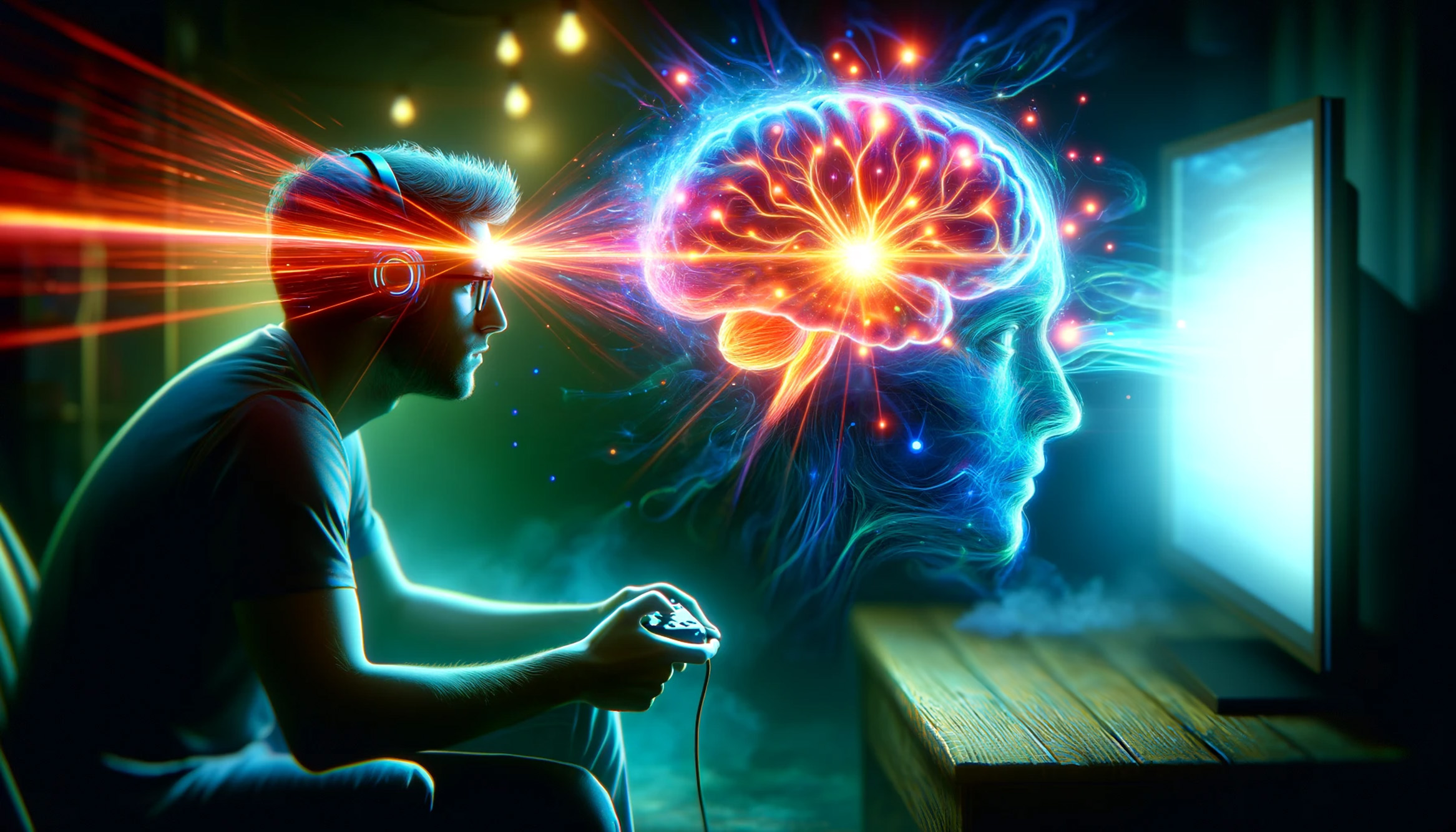
Ever get that nagging feeling that maybe you're wasting time when you're engrossed in your favorite video game? What if I told you that those hours spent strategizing, reacting, and exploring virtual worlds might actually be doing wonders for your brain?
Many people often grapple with the perception of gaming as a purely recreational activity, sometimes even viewing it as a detriment to cognitive abilities. Concerns about excessive screen time, potential addiction, and the belief that gaming offers little beyond fleeting entertainment are common. However, dismissing gaming entirely overlooks the potential for cognitive enhancement and skill development that many modern games offer. It's easy to fall into the trap of thinking it's all just mindless button-mashing, but is there something more beneath the surface?
This blog post dives into the fascinating world of gaming and its surprising cognitive benefits. We'll explore how video games, far from being a mindless pastime, can actually sharpen your mind, improve problem-solving skills, boost memory, and even enhance your attention span. Prepare to have your perceptions challenged and discover the unexpected ways gaming can make you smarter!
In short, gaming isn't just fun; it can be a mental workout. We'll cover how different game genres stimulate various cognitive functions like attention, memory, spatial reasoning, and decision-making. We'll explore real-world examples and research that support these claims, showing how gaming can be a valuable tool for cognitive enhancement across all ages. This is about understanding the potential within our consoles and PCs and turning playtime into brain time.
My Journey into Gaming and Cognitive Enhancement
My introduction to gaming was purely recreational, a way to unwind after a long day. I started with classic adventure games and gradually moved to strategy titles and fast-paced action games. It wasn't until later that I began to notice subtle but significant improvements in my cognitive abilities. For instance, my problem-solving skills sharpened noticeably after hours spent navigating complex puzzles in adventure games. The fast-paced decision-making required in action games enhanced my reaction time in real-life situations. Suddenly, gaming felt like more than just a hobby; it felt like a mental training ground.
I recall a particular instance when I was facing a challenging coding problem at work. The logical thinking and pattern recognition skills I had honed through strategy games helped me approach the problem from a different angle, ultimately leading to a successful solution. This experience sparked my curiosity about the scientific research behind gaming and cognitive enhancement. I delved into studies that explored how different game genres impact specific cognitive functions. It became clear that gaming could be a powerful tool for improving attention, memory, and spatial reasoning. Now, I approach gaming with a conscious awareness of its potential benefits, using it as a way to stay mentally sharp and challenge myself.
This exploration into the cognitive benefits of gaming is more than just about justifying leisure time. It's about understanding how we can actively engage with technology to improve our cognitive abilities. From spatial reasoning in open-world games to strategic planning in real-time strategy games, the possibilities are endless. Gaming cognitive benefits is about finding the right games and leveraging them effectively to boost mental performance. It's about making informed choices and turning entertainment into an opportunity for personal growth.
Understanding Cognitive Benefits of Gaming
At its core, "Gaming Cognitive Benefits" refers to the positive impact that playing video games can have on various aspects of brain function. It's not about claiming that all games are inherently good for you, but rather acknowledging that certain game genres and play styles can stimulate and improve specific cognitive skills. These skills can include attention, memory, spatial reasoning, problem-solving, decision-making, and reaction time. The concept is based on the idea that video games often require players to engage in complex mental processes, forcing the brain to adapt and become more efficient. This, in turn, can translate to improved cognitive performance in other areas of life.
The specific cognitive benefits vary depending on the type of game played. For example, action games often demand quick reflexes and precise hand-eye coordination, which can improve reaction time and spatial awareness. Strategy games, on the other hand, require players to plan ahead, anticipate opponents' moves, and manage resources, which can enhance problem-solving and decision-making skills. Puzzle games can improve logical thinking and pattern recognition abilities. Games that involve teamwork and communication can also enhance social skills and collaboration abilities. Furthermore, the immersive and engaging nature of video games can motivate players to persist through challenges, fostering a sense of accomplishment and improving resilience. The key is to find games that are both enjoyable and mentally stimulating, striking a balance between entertainment and cognitive exercise.
The field of gaming cognitive benefits is continuously evolving, with new research emerging regularly. As technology advances, games become more sophisticated, offering even greater opportunities for cognitive engagement. For example, virtual reality (VR) games can provide immersive and realistic simulations that challenge spatial reasoning and motor skills. Brain-training games are specifically designed to target specific cognitive functions, such as memory or attention. These games often incorporate principles from cognitive psychology and neuroscience to maximize their effectiveness. Therefore, staying informed about the latest research and game developments is essential for harnessing the full potential of gaming for cognitive enhancement. Understanding the link between games and cognitive skills can empower individuals to make informed choices about their leisure activities and use gaming as a tool for personal growth and mental well-being.
The History and Myths Surrounding Gaming Cognitive Benefits
The idea that video games could have cognitive benefits is relatively new, challenging the long-held belief that gaming is a mindless activity. Early perceptions of gaming were largely negative, fueled by concerns about violence, addiction, and social isolation. The media often portrayed gamers as antisocial individuals glued to their screens, detached from the real world. This negative stereotype contributed to the perception that gaming was detrimental to cognitive development, particularly in children and adolescents.
However, as video games evolved and research methods became more sophisticated, evidence began to emerge that challenged these negative assumptions. Studies started to show that certain types of games could actually improve cognitive skills, such as attention, memory, and spatial reasoning. These findings gradually shifted the perception of gaming, leading to a more nuanced understanding of its potential benefits and drawbacks. Today, the scientific community largely agrees that gaming can have both positive and negative effects, depending on the type of game, the amount of time spent playing, and the individual's characteristics. While excessive gaming can still lead to addiction and social isolation, moderate and mindful gaming can be a valuable tool for cognitive enhancement.
One common myth is that all games are equally beneficial. In reality, different game genres target different cognitive functions. Another myth is that gaming is only beneficial for young people. Studies have shown that gaming can also improve cognitive skills in older adults, helping to maintain mental sharpness and prevent cognitive decline. It's also important to dispel the myth that gaming is a substitute for other forms of cognitive training. While gaming can be a valuable supplement to traditional methods, it should not be seen as a replacement for activities such as reading, learning a new language, or engaging in social interactions. Finally, it's crucial to recognize that gaming should be balanced with other activities and responsibilities. Finding a healthy balance is essential for reaping the cognitive benefits of gaming without compromising other aspects of life. As research continues to unravel the complexities of gaming and its effects on the brain, it's important to stay informed and approach gaming with a critical and discerning eye.
The Hidden Secrets of Gaming Cognitive Benefits
The "hidden secret" of gaming cognitive benefits lies in the way video games engage and stimulate the brain. Unlike passive forms of entertainment, video games often require active participation, problem-solving, and strategic thinking. This active engagement forces the brain to work harder, leading to increased neural activity and improved cognitive function. The key is that games present challenges that are just difficult enough to be engaging without being overly frustrating. This "sweet spot" of challenge and reward creates a positive feedback loop that motivates players to persist and improve their skills.
Another hidden secret is the role of dopamine, a neurotransmitter that plays a key role in reward and motivation. When players achieve goals or overcome obstacles in a game, the brain releases dopamine, creating a sense of pleasure and satisfaction. This dopamine release reinforces the behaviors that led to the success, making players more likely to repeat those behaviors in the future. Over time, this process can lead to the development of new skills and improved cognitive abilities. Furthermore, video games often provide opportunities for learning and skill development that are not available in other forms of entertainment. For example, many games require players to learn new strategies, master complex systems, and collaborate with others to achieve common goals.
These experiences can translate into real-world benefits, such as improved problem-solving skills, enhanced communication abilities, and increased creativity. It is crucial to note that the benefits of gaming are not automatic. Players need to be mindful of the games they choose and the way they play. Games that are excessively violent or addictive can have negative effects on mental health and cognitive function. It's important to choose games that are both enjoyable and mentally stimulating, and to play in moderation. By understanding the hidden secrets of gaming cognitive benefits, individuals can unlock the potential of video games to improve their cognitive abilities and enhance their overall well-being. This involves choosing games wisely, playing mindfully, and balancing gaming with other activities. The secret is not simply playing, but playing smart.
Recommendations for Harnessing Gaming Cognitive Benefits
To effectively harness the cognitive benefits of gaming, it's essential to be selective about the games you play and how you approach them. Not all games are created equal when it comes to cognitive enhancement. Different genres target different skills, so it's important to choose games that align with your specific goals. For example, if you want to improve your problem-solving skills, consider playing strategy games or puzzle games. If you want to enhance your reaction time and spatial awareness, action games or racing games might be a better choice. The key is to find games that challenge you and require you to think critically and creatively.
Beyond selecting the right games, it's important to play mindfully and be aware of your cognitive engagement. Instead of mindlessly button-mashing, try to actively think about the strategies you're using and the decisions you're making. Pay attention to the patterns and relationships in the game world, and try to anticipate the consequences of your actions. Engaging in this type of active thinking can help you maximize the cognitive benefits of gaming. Additionally, it's important to play in moderation and avoid excessive screen time. While gaming can be beneficial, spending too much time playing can lead to fatigue, eye strain, and other health problems. It's best to set limits for your gaming sessions and take regular breaks to stretch, move around, and engage in other activities.
For those new to gaming or looking to explore its cognitive benefits, consider starting with games that offer a gradual learning curve and provide clear feedback on your progress. Brain-training games, such as those designed to improve memory or attention, can be a good starting point. Online platforms and mobile apps also offer a wide variety of games that are specifically designed to enhance cognitive skills. As you become more experienced, you can explore more complex and challenging games. Remember, the goal is not just to win or achieve a high score, but to actively engage your brain and learn new skills. By following these recommendations, you can effectively harness the cognitive benefits of gaming and use it as a tool for personal growth and mental well-being. This involves making informed choices, playing mindfully, and balancing gaming with other aspects of your life.
The Science Behind Gaming and Cognitive Function
The growing body of research supporting the cognitive benefits of gaming is rooted in neuroscience and cognitive psychology. Studies using brain imaging techniques, such as f MRI, have shown that playing video games can activate various regions of the brain associated with attention, memory, spatial reasoning, and decision-making. For example, action games have been shown to enhance activity in the prefrontal cortex, a region involved in executive functions such as planning and problem-solving. These findings suggest that gaming can actually change the structure and function of the brain, leading to improved cognitive performance.
Furthermore, research has shown that gaming can improve specific cognitive skills. Studies have found that playing action games can enhance attention span, reaction time, and spatial awareness. Strategy games can improve problem-solving skills, planning abilities, and resource management skills. Puzzle games can enhance logical thinking, pattern recognition, and memory. These benefits are not limited to young people; studies have also shown that gaming can improve cognitive function in older adults, helping to maintain mental sharpness and prevent cognitive decline. The key to unlocking these benefits is to choose games that are challenging and engaging, and to play in moderation. It's also important to note that the effects of gaming on cognitive function can vary depending on individual characteristics, such as age, experience, and cognitive abilities.
While the research is promising, it's important to approach the topic with a critical eye. Not all studies are created equal, and some may have limitations in their design or methodology. It's also important to consider the potential negative effects of gaming, such as addiction and social isolation. Therefore, it's crucial to stay informed about the latest research and to make informed choices about the games you play and how you play them. The science behind gaming and cognitive function is a complex and evolving field, but the evidence suggests that gaming can be a valuable tool for cognitive enhancement when used responsibly and mindfully. This involves understanding the specific cognitive benefits of different game genres, playing in moderation, and balancing gaming with other activities.
Tips for Maximizing Gaming Cognitive Benefits
To truly maximize the cognitive benefits of gaming, it's not enough to simply play games. You need to approach gaming with intention and awareness, turning it into a mental exercise rather than a mindless pastime. One of the most important tips is to choose games that challenge you. Look for games that require you to think critically, solve problems, and make strategic decisions. Avoid games that are too easy or repetitive, as these are unlikely to provide significant cognitive benefits. The goal is to find games that push you outside of your comfort zone and force you to learn new skills.
Another important tip is to play mindfully and be aware of your cognitive engagement. Pay attention to the details of the game world, and try to understand the underlying mechanics. Think about the strategies you're using and why they are effective. Analyze your mistakes and learn from them. By actively engaging your brain in this way, you can enhance the cognitive benefits of gaming. It's also important to set specific goals for your gaming sessions. For example, you might aim to complete a certain level, solve a particular puzzle, or master a new skill. Having clear goals can help you stay focused and motivated, and it can also provide a sense of accomplishment when you achieve them.
Finally, it's important to balance gaming with other activities and responsibilities. Gaming should not be the only source of cognitive stimulation in your life. It's important to engage in a variety of activities that challenge your brain in different ways, such as reading, learning a new language, or playing a musical instrument. It's also important to maintain a healthy lifestyle, including getting enough sleep, eating a balanced diet, and exercising regularly. These factors can all have a significant impact on cognitive function. By following these tips, you can maximize the cognitive benefits of gaming and use it as a tool for personal growth and mental well-being. This involves choosing challenging games, playing mindfully, setting specific goals, and balancing gaming with other activities.
Integrating Gaming into a Balanced Lifestyle
Successfully integrating gaming into a balanced lifestyle requires a mindful approach. It's not about eliminating other activities or allowing gaming to dominate your time, but rather about finding a harmonious equilibrium. Setting clear boundaries is crucial. Designate specific times for gaming and stick to them, just as you would with any other important commitment. This helps prevent gaming from encroaching on other responsibilities and ensures that you have time for other activities you enjoy.
Prioritize physical health by incorporating regular exercise and mindful breaks during longer gaming sessions. A short walk, some stretching, or even a few minutes of meditation can help reduce eye strain, prevent fatigue, and improve focus. Equally important is maintaining strong social connections. While online gaming can provide a sense of community, it's vital to cultivate real-world relationships. Schedule time to spend with friends and family, participate in social activities, and engage in face-to-face interactions. These connections are essential for emotional well-being and overall happiness.
Diversifying your hobbies and interests is another key component of a balanced lifestyle. Explore activities that stimulate different parts of your brain and offer new challenges. Learning a musical instrument, reading books, painting, or volunteering can all provide unique forms of cognitive and emotional enrichment. Remember, gaming is just one piece of the puzzle. By consciously making time for a variety of activities, you can create a well-rounded and fulfilling life that supports both your cognitive and emotional well-being. This balance will ensure that gaming remains a positive and enriching experience rather than a source of stress or imbalance.
Fun Facts About Gaming Cognitive Benefits
Did you know that surgeons who play video games are reportedly 27% faster and make 37% fewer errors during laparoscopic surgeries? This fun fact highlights the real-world impact of gaming on skills like hand-eye coordination and precision, which are crucial in the medical field. It demonstrates how the skills honed in a virtual environment can translate into tangible benefits in high-stakes professions.
Another interesting fact is that certain video games can help improve memory in older adults. Studies have shown that playing games that require memorization and recall can enhance cognitive function and slow down age-related cognitive decline. This suggests that gaming can be a valuable tool for maintaining mental sharpness and promoting brain health as we age. Furthermore, research has found that video games can help improve attention span and focus, particularly in individuals with attention deficit hyperactivity disorder (ADHD). Games that require sustained attention and quick decision-making can train the brain to filter out distractions and concentrate on the task at hand.
It's also worth noting that the gaming industry is constantly evolving, with new technologies and game designs emerging regularly. Virtual reality (VR) and augmented reality (AR) games offer even greater opportunities for cognitive engagement, providing immersive and interactive experiences that challenge the brain in new ways. Brain-training games, specifically designed to target specific cognitive functions, are also becoming increasingly popular. These games often incorporate principles from cognitive psychology and neuroscience to maximize their effectiveness. By staying informed about the latest developments in the gaming industry, we can continue to discover new and exciting ways to harness the cognitive benefits of gaming. These fun facts illustrate the diverse and surprising ways in which gaming can positively impact our brains and our lives.
How to Incorporate Gaming for Cognitive Enhancement
Incorporating gaming for cognitive enhancement requires a strategic and intentional approach. It's not simply about playing any game; it's about selecting the right games and playing them in a way that maximizes their cognitive benefits. Start by identifying the cognitive skills you want to improve. Are you looking to boost your memory, enhance your problem-solving abilities, or improve your reaction time? Once you know your goals, you can choose games that specifically target those skills. For example, if you want to improve your memory, consider playing puzzle games that require memorization and recall. If you want to enhance your problem-solving abilities, try strategy games that challenge you to think critically and plan ahead. If you want to improve your reaction time, action games that demand quick reflexes might be a good choice.
Once you've selected the right games, it's important to play them mindfully and be aware of your cognitive engagement. Pay attention to the strategies you're using, the decisions you're making, and the patterns you're recognizing. Analyze your mistakes and learn from them. Try to push yourself outside of your comfort zone and challenge yourself to improve. It's also helpful to set specific goals for your gaming sessions. For example, you might aim to complete a certain level, solve a particular puzzle, or master a new skill. Having clear goals can help you stay focused and motivated, and it can also provide a sense of accomplishment when you achieve them.
Finally, remember to balance gaming with other activities and responsibilities. Gaming should not be the only source of cognitive stimulation in your life. It's important to engage in a variety of activities that challenge your brain in different ways, such as reading, learning a new language, or playing a musical instrument. It's also important to maintain a healthy lifestyle, including getting enough sleep, eating a balanced diet, and exercising regularly. These factors can all have a significant impact on cognitive function. By following these steps, you can effectively incorporate gaming into your life for cognitive enhancement, turning your playtime into a valuable tool for mental fitness. This involves setting clear goals, playing mindfully, and balancing gaming with other activities.
What If Gaming Could Revolutionize Education and Training?
Imagine a future where learning isn't a chore, but an engaging and immersive experience powered by video games. What if complex concepts were taught through interactive simulations, allowing students to learn by doing and experimenting in a safe and controlled environment? This is the potential of gaming in education and training, a concept that is gaining traction as educators and researchers recognize the cognitive benefits of gaming.
Consider the possibilities: history lessons brought to life through interactive historical simulations, science concepts explored through virtual experiments, and math problems solved in the context of engaging game scenarios. Gaming can make learning more accessible and engaging for students of all ages and learning styles. It can also provide personalized learning experiences, adapting to each student's individual needs and pace. Furthermore, gaming can be used to train professionals in a variety of fields, from medicine to engineering to aviation. Virtual reality simulations can provide realistic training environments, allowing professionals to practice complex procedures and develop critical skills in a safe and cost-effective manner.
However, there are also challenges to overcome. Developing high-quality educational games requires significant investment in time, resources, and expertise. It's also important to ensure that games are aligned with educational standards and learning objectives. Additionally, educators need to be trained on how to effectively integrate games into their curriculum. Despite these challenges, the potential of gaming to revolutionize education and training is undeniable. By harnessing the cognitive benefits of gaming, we can create more engaging, effective, and personalized learning experiences for students and professionals alike. This involves developing high-quality educational games, training educators on how to use them effectively, and aligning games with educational standards.
Listicle: Top 5 Cognitive Benefits of Gaming
Let's break down the key ways gaming gives your brain a boost! Here are five cognitive benefits you can potentially unlock through gaming:
- Enhanced Attention and Focus: Many games require sustained attention and quick decision-making, training your brain to filter distractions.
- Improved Problem-Solving Skills: Strategy and puzzle games challenge you to think critically, analyze situations, and develop creative solutions.
- Boosted Memory and Recall: Games that require memorization and pattern recognition can strengthen your memory skills.
- Increased Spatial Reasoning Abilities: Navigating virtual environments and manipulating objects in 3D space can improve your spatial awareness.
- Faster Reaction Time: Action and racing games demand quick reflexes and precise hand-eye coordination, enhancing your reaction time.
These benefits aren't just anecdotal; they're supported by scientific research. By choosing the right games and playing mindfully, you can tap into the cognitive potential of gaming and use it to sharpen your mind and improve your overall cognitive function. Remember to balance gaming with other activities and maintain a healthy lifestyle for optimal results. Embrace the power of play and unlock your cognitive potential!
Question and Answer Section: Unveiling the Power of Play
Let's address some common questions about the fascinating connection between gaming and cognitive enhancement:
Q: Are all video games good for your brain?
A: Not necessarily. Different game genres target different cognitive skills. It's important to choose games that challenge you and align with your specific goals. Avoid games that are too easy or repetitive, as these are unlikely to provide significant cognitive benefits.
Q: How much gaming is too much?
A: Moderation is key. Excessive gaming can lead to fatigue, eye strain, and other health problems. It's best to set limits for your gaming sessions and take regular breaks to stretch, move around, and engage in other activities. Balancing gaming with other activities and responsibilities is crucial.
Q: Can gaming really improve cognitive function in older adults?
A: Yes, studies have shown that gaming can improve cognitive skills in older adults, helping to maintain mental sharpness and prevent cognitive decline. Games that challenge memory, attention, and problem-solving skills can be particularly beneficial.
Q: What are some examples of games that are good for cognitive enhancement?
A: Some examples include strategy games like Star Craftor Civilization, puzzle games like Portalor Tetris, action games like Overwatchor Call of Duty(played in moderation), and brain-training games like Lumosityor Brain Age.
Conclusion of Gaming Cognitive Benefits
So, what's the final verdict? The evidence clearly suggests that gaming can offer significant cognitive benefits when approached thoughtfully and mindfully. From enhancing attention and problem-solving skills to boosting memory and spatial reasoning, the potential for cognitive enhancement through gaming is undeniable. By understanding the specific benefits of different game genres, playing in moderation, and balancing gaming with other activities, you can unlock the power of play and use it to sharpen your mind and improve your overall cognitive function. Gaming isn't just a pastime; it's a tool for mental fitness.
Post a Comment