Gaming Community Mental Health: Supporting Fellow Gamers
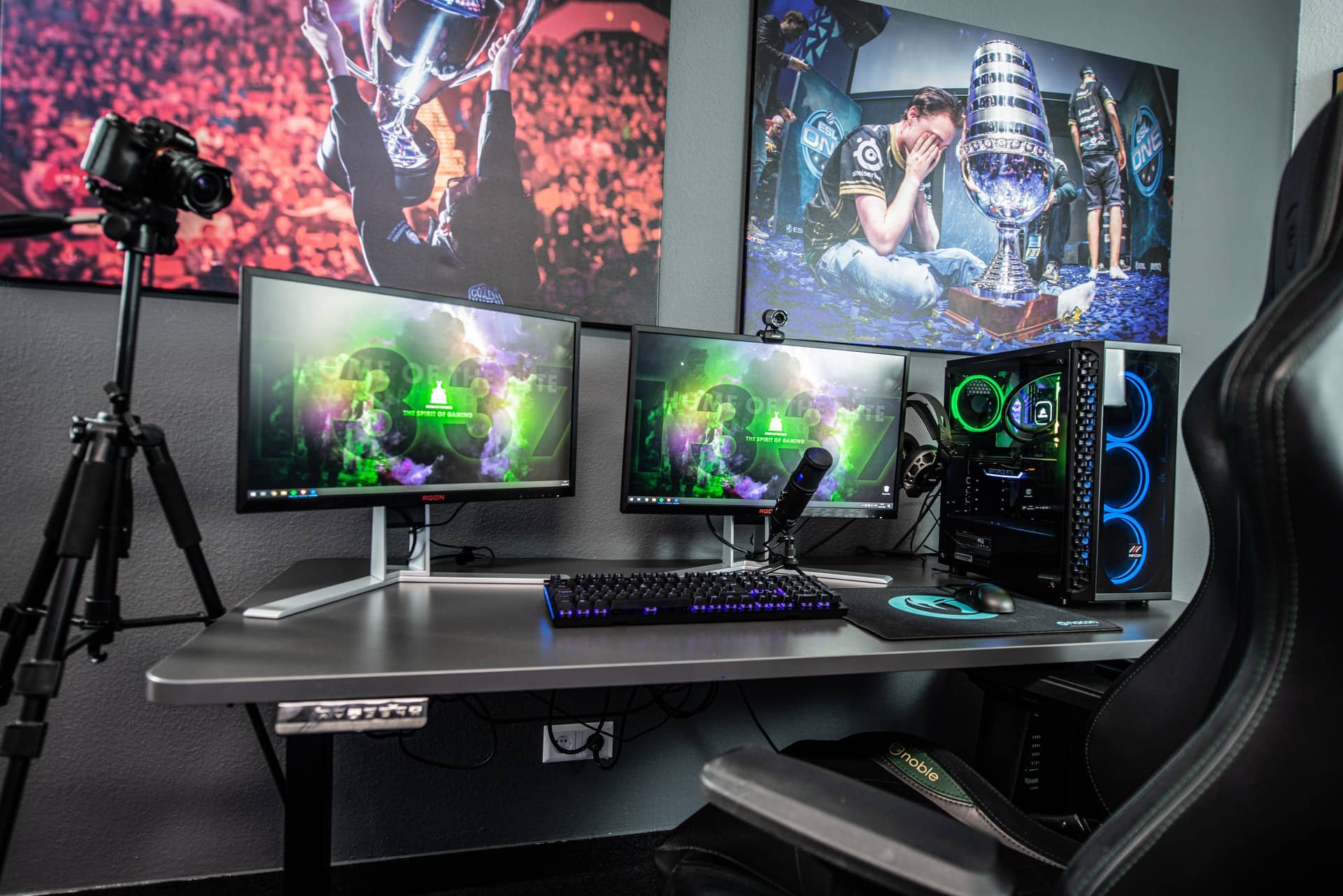
Ever felt that pang of frustration after a tough loss, or the weight of expectation when your team's relying on you? Gaming, for all its fun and connection, can sometimes stir up some pretty intense emotions. It's important to remember that we're all human, both behind the screen and in real life.
Within the vibrant world of gaming, interactions can sometimes take unexpected turns. The pressure to perform well, coupled with the anonymity the internet provides, can, unfortunately, lead to instances of negativity. This could range from heated arguments and unsportsmanlike conduct to, in more serious cases, online harassment. And while many gamers brush these incidents off, the cumulative effect of such experiences can take a toll on one's emotional well-being and overall mental health.
That's why this article focuses on supporting our fellow gamers. It is about creating a more positive and empathetic gaming community. By understanding the challenges others face and learning how to offer support, we can build a space where everyone feels valued, respected, and empowered to enjoy the games they love.
This article explored the importance of mental well-being in the gaming community and how we can all play a role in supporting each other. We will touch on empathy, active listening, recognizing signs of distress, promoting positive communication, and seeking professional help when needed. By implementing these strategies, we can foster a healthier, more supportive environment for every gamer.
Empathy in the Game
Empathy is really walking a mile in someone else's shoes, even if they are virtual ones. It means trying to understand what another person is feeling, even if you don't necessarily agree with their perspective. It's about acknowledging their emotions and validating their experiences. I remember one time, back in my early days of online gaming, I was part of a raiding guild. We were attempting a particularly challenging boss, and after multiple failed attempts, the tension was palpable. One of our healers, usually a calm and collected player, started making mistakes. The raid leader, instead of offering support, began to berate them. I felt terrible for the healer, who was clearly struggling under the pressure. Instead of joining in on the criticism, I sent them a private message offering encouragement. I told them that everyone makes mistakes and that their healing was usually top-notch. To my surprise, they thanked me profusely, and their performance immediately improved. We eventually downed the boss, and the healer later told me that my message had made all the difference. This experience taught me the power of empathy in gaming. It showed me that even a simple act of kindness can have a profound impact on someone's mental state and performance. Gaming is more fun when people are having fun. It is the difference between a good gaming experience and a terrible one.
Active Listening: More Than Just Hearing
Active listening goes beyond simply hearing the words someone is saying. It involves fully focusing on the speaker, paying attention to their body language, tone of voice, and the emotions they are conveying. It's about showing genuine interest in what they have to say and responding in a way that demonstrates understanding and empathy. This is essential because sometimes people are struggling, but they don't outright say "I am sad," or "I am struggling," it may be a few small things that build up. Active listening allows people to feel like they're being heard and have their feelings validated, which goes a long way in the gaming community.
History and Myths: The Stigma Around Mental Health
Historically, mental health has been shrouded in stigma and misunderstanding. Many cultures have viewed mental illness as a sign of weakness, a personal failing, or even a curse. This has led to people feeling ashamed or embarrassed to seek help, fearing judgment or discrimination. These myths have unfortunately translated into the gaming world, as well. Some gamers may believe that discussing mental health issues is "weak" or "unnecessary," perpetuating the cycle of silence and suffering. A lot of these ideas come from outdated beliefs and cultural ideas, but they don't reflect reality. This makes it extremely important for gaming to be a fun and positive place for people, not a pressure cooker. Mental health should be viewed as a necessary thing to take care of in order to ensure happiness.
Unveiling the Secret: The Power of Community
The hidden secret is that the power to support fellow gamers lies within the community itself. We are not alone in this. By creating a culture of openness, acceptance, and mutual respect, we can break down the barriers that prevent people from seeking help. This means actively promoting positive communication, challenging negative stereotypes, and being willing to offer a listening ear to those who are struggling. Each person makes a difference, and people can come together to make a positive change. Creating this community is a goal that all gamers should strive for to improve the overall gaming experience.
Recommendations: Creating a Supportive Environment
To create a supportive gaming environment, it's crucial to establish clear guidelines for online behavior and enforce them consistently. This includes prohibiting hate speech, harassment, and any form of discrimination. Encourage respectful communication and promote empathy by sharing personal stories and experiences. Organize community events that focus on mental well-being, such as workshops on stress management or online support groups. The goal is to foster a sense of belonging and encourage open dialogue about mental health. Communities should be a place where gamers feel comfortable. This is why a comfortable community makes all the difference. This also helps build relationships and allows for more friendships.
Recognizing Signs of Distress
Recognizing the signs of distress in fellow gamers is crucial for providing timely support. These signs can manifest in various ways, including changes in behavior, such as increased irritability, withdrawal from social interactions, or decreased performance in games. Other indicators may include expressing feelings of hopelessness, anxiety, or depression. Listen for those cues and be willing to have a conversation. Gamers need to know that people are willing to listen and understand. If you observe any of these signs, reach out to the individual privately and offer your support. Let them know that you're concerned and that you're there to listen without judgment. Encourage them to seek professional help if their distress is severe or persistent. Sometimes, people don't realize how much distress they are in. It may take someone else to notice the change in behavior and bring it to their attention.
Tips for Promoting Positive Communication
Promoting positive communication involves using respectful and constructive language, even when disagreements arise. Avoid personal attacks, insults, or derogatory remarks. Focus on the issue at hand and try to understand the other person's perspective. Practice active listening skills, such as summarizing what the other person has said to ensure you understand their point. If you feel yourself getting heated, take a break and cool down before continuing the conversation. If you can, always be respectful and try to keep the game positive, because you can always play another game. This can also help build great friendships for years to come.
Seeking Professional Help When Needed
Sometimes, the challenges are too great to handle alone, and seeking professional help is the best course of action. Mental health professionals, such as therapists and counselors, can provide valuable support and guidance to individuals struggling with mental health issues. They can help identify underlying causes, develop coping strategies, and work towards recovery. Encourage fellow gamers to seek professional help if they are experiencing persistent feelings of distress, anxiety, or depression. Offer to help them find resources and navigate the process of seeking treatment. It is not bad to ask for help because the professionals are there to help. It takes courage to ask, but this is a step in the right direction to help the individual.
Fun Facts About Gaming Communities
Did you know that some gaming communities have organized charity events and raised significant amounts of money for mental health organizations? Or that some games incorporate mental health themes into their storylines, raising awareness and promoting understanding? Gaming communities can be incredibly supportive and resourceful, providing a sense of belonging and camaraderie for their members. A lot of good can come out of a gaming community if the community is willing to work together. Not all games are about violence. Some are centered around more wholesome themes that can help with one's mental health.
How to Build a Supportive Gaming Community
Building a supportive gaming community requires a concerted effort from all members. Start by establishing clear guidelines for online behavior and enforcing them consistently. Encourage respectful communication and promote empathy by sharing personal stories and experiences. Organize community events that focus on mental well-being, such as workshops on stress management or online support groups. By working together, we can create a space where everyone feels valued, respected, and empowered to enjoy the games they love.
What if... We all made a difference?
Imagine a gaming world where everyone feels supported, respected, and empowered to be themselves. Where negativity and toxicity are replaced with kindness and empathy. Where mental health is openly discussed and individuals feel comfortable seeking help when they need it. This is not just a pipe dream; it is a reality we can create together. By committing to supporting our fellow gamers, we can transform the gaming community into a beacon of positivity and well-being. Make an effort every day to make a difference and provide positive experiences.
Listicle: 5 Ways to Support Fellow Gamers
Here are five simple yet powerful ways to support fellow gamers: 1. Offer a listening ear: Be there to listen without judgment when someone is struggling.
2. Encourage positive communication: Use respectful and constructive language, even when disagreements arise.
3. Challenge negative stereotypes: Speak out against stigma and promote understanding of mental health issues.
4. Promote self-care: Encourage fellow gamers to prioritize their mental and physical well-being.
5. Seek professional help when needed: Encourage individuals to seek professional support if they are experiencing persistent distress. These steps may not be enough for all gamers, but it's a step in the right direction.
Question and Answer
Q: What are some signs that a fellow gamer might be struggling with their mental health?
A: Changes in behavior, increased irritability, withdrawal from social interactions, decreased performance in games, expressing feelings of hopelessness, anxiety, or depression.
Q: How can I offer support to a fellow gamer who is struggling?
A: Reach out to them privately, offer a listening ear, express your concern, and encourage them to seek professional help if needed.
Q: What are some resources available for gamers who are struggling with their mental health?
A: Online mental health forums, support groups, mental health professionals, and crisis hotlines.
Q: How can I promote a more positive and supportive gaming community?
A: Establish clear guidelines for online behavior, encourage respectful communication, challenge negative stereotypes, and organize community events that focus on mental well-being.
Conclusion of Gaming Community Mental Health: Supporting Fellow Gamers
Ultimately, supporting fellow gamers is about creating a more human and compassionate gaming community. It's about recognizing that we're all in this together, and that by supporting each other, we can make the gaming experience more enjoyable and fulfilling for everyone. Let's strive to create a culture of kindness, empathy, and understanding, where every gamer feels valued, respected, and empowered to be themselves.
Post a Comment