Gaming Coping Mechanisms: Using Games for Emotional Support
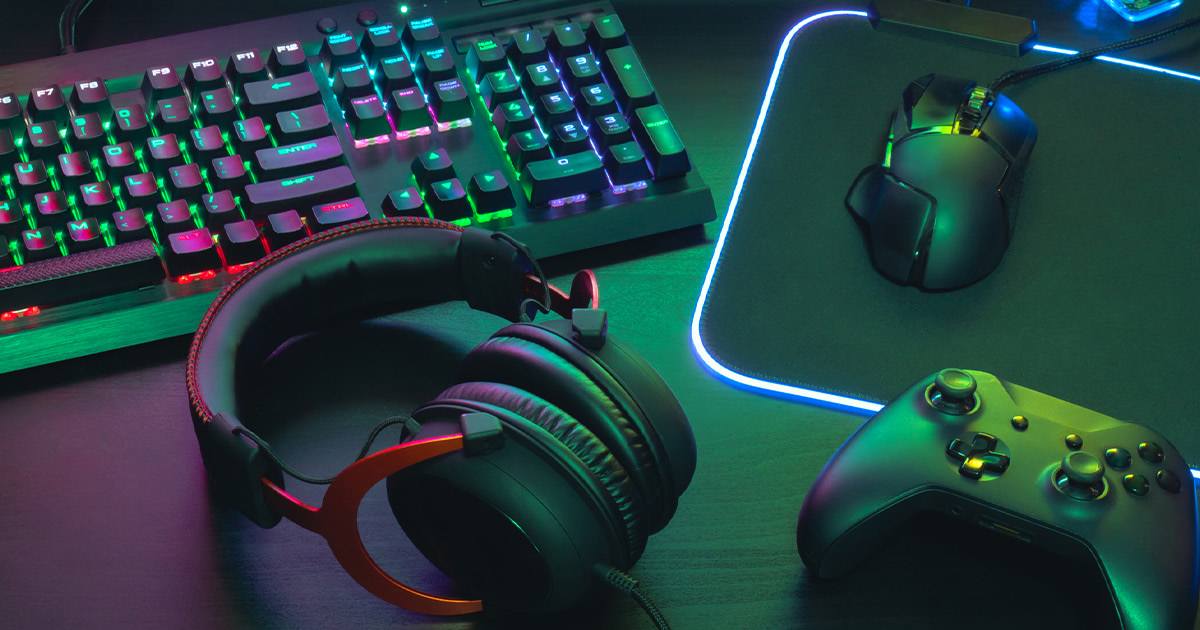
Ever feel like the world is just a little too much? Like you need a way to escape, recharge, and maybe even process some heavy feelings? You might be surprised to know that for many, the answer lies in the digital worlds of video games.
Sometimes, life throws curveballs. We struggle with stress, anxiety, loneliness, or just the overwhelming feeling of not being in control. These struggles can manifest in different ways, leaving us searching for healthy and productive ways to navigate them.
This post explores how gaming can be a valuable tool for emotional support, offering strategies for using games to cope with stress, anxiety, and other emotional challenges. It's about understanding the potential benefits of gaming when approached with awareness and intention.
Ultimately, gaming can be a surprisingly effective coping mechanism. By offering escapism, fostering social connections, providing a sense of accomplishment, and allowing for creative expression, video games can provide much-needed emotional support. We'll explore how to harness these benefits and ensure gaming remains a positive and healthy part of your life.
Personal Experience with Gaming as a Coping Mechanism
I remember a particularly rough patch during my college years. The pressure of exams, the uncertainty about the future, and a general feeling of being overwhelmed had me constantly on edge. I felt isolated and struggled to find an outlet for my stress. One evening, feeling particularly low, I decided to revisit an old favorite game: "Stardew Valley."
Initially, it was just a way to distract myself. But as I immersed myself in the game, tending to my virtual farm, befriending the quirky villagers, and crafting items, I started to feel a sense of calm I hadn't experienced in weeks. The simple, repetitive tasks were surprisingly therapeutic. There was no pressure to be perfect, no looming deadlines, just the quiet satisfaction of planting seeds and watching them grow. The virtual world offered a sense of control that was sorely lacking in my real life. Building relationships with the in-game characters filled a need for social interaction when my anxiety made it difficult to connect with people in person. As I nurtured my farm, I realized I was also nurturing my own well-being.
This experience highlighted the potential of gaming as a healthy coping mechanism. It wasn't about escaping my problems entirely, but rather about finding a safe space to de-stress, regain a sense of control, and reconnect with myself. It made me realize the importance of incorporating enjoyable and stress-relieving activities into my routine, and it showed me that even something as simple as a video game could be a powerful tool for emotional support. That's why I'm passionate about exploring gaming as a coping mechanism – because I've seen firsthand the positive impact it can have when used intentionally and mindfully. It’s also important to remember that moderation and balance are key. Over-reliance on gaming can lead to other issues, and it's crucial to maintain a healthy lifestyle that includes other forms of self-care and social interaction.
Understanding Gaming as a Coping Mechanism
Gaming as a coping mechanism involves using video games to manage and alleviate stress, anxiety, and other emotional challenges. It's not about ignoring or escaping from problems entirely, but rather about finding a healthy way to process emotions, relax, and regain a sense of control. When used mindfully, gaming can provide a temporary escape from reality, allowing individuals to detach from stressors and focus on a more engaging and rewarding experience. This can be particularly helpful during times of high stress or emotional distress.
The appeal of gaming as a coping mechanism lies in its ability to offer a diverse range of experiences and benefits. Many games provide a sense of accomplishment through completing quests, solving puzzles, or mastering skills. This can be especially valuable when individuals feel a lack of achievement in their real lives. Games also offer opportunities for social interaction, allowing players to connect with others online, build friendships, and participate in collaborative activities. This can combat feelings of loneliness and isolation, providing a sense of belonging and support. Furthermore, many games encourage creativity and self-expression, allowing players to customize characters, build worlds, and tell stories. This can be a powerful outlet for emotions and a way to explore different aspects of one's identity.
It's important to note that gaming as a coping mechanism is most effective when used in moderation and as part of a broader self-care strategy. Over-reliance on gaming can lead to negative consequences, such as neglecting responsibilities, isolating from social interactions, and experiencing physical health problems. It's crucial to balance gaming with other activities, such as exercise, spending time with loved ones, pursuing hobbies, and seeking professional help when needed. By using gaming responsibly and intentionally, individuals can harness its benefits to improve their emotional well-being and cope with life's challenges.
History and Myths Surrounding Gaming as a Coping Mechanism
The idea of gaming as a coping mechanism isn't new, though it's often been misunderstood. Historically, video games have been viewed with suspicion, often portrayed as isolating, addictive, and even violent. This perception stems from early studies and media portrayals that focused on the potential negative impacts of excessive gaming. However, a more nuanced understanding has emerged over time, recognizing the potential benefits of gaming when used in moderation and with intention.
One common myth is that gaming is purely escapist and prevents individuals from addressing their real-life problems. While it's true that gaming can provide a temporary escape, this can be a valuable tool for managing stress and anxiety. By taking a break from stressors, individuals can return to their problems with a clearer mind and a renewed sense of energy. Another myth is that gaming is inherently antisocial. However, many games offer opportunities for social interaction and collaboration, allowing players to connect with others from around the world, build friendships, and participate in supportive communities. In fact, for some individuals, gaming may be a more comfortable way to socialize than in-person interactions.
The history of gaming and its perception as a coping mechanism is intertwined with technological advancements and evolving cultural attitudes. As games have become more sophisticated and accessible, the potential for both positive and negative impacts has increased. It's important to approach gaming with a balanced perspective, recognizing its potential benefits while also being aware of the risks of excessive use. By dispelling myths and promoting a more informed understanding of gaming, we can help individuals harness its potential as a valuable tool for emotional support and well-being. It's also important to consider the type of game being played. Some games may be more conducive to coping than others. For example, puzzle games can improve problem-solving skills, while simulation games can provide a sense of control and creativity.
Hidden Secrets of Gaming as a Coping Mechanism
Beyond the obvious benefits of escapism and entertainment, gaming offers a wealth of hidden secrets as a coping mechanism, tapping into psychological and neurological processes that can significantly impact emotional well-being. One key secret lies in the release of endorphins, the body's natural mood boosters. Engaging in challenging or rewarding gameplay can trigger the release of endorphins, leading to feelings of pleasure, relaxation, and even euphoria. This can be particularly helpful for individuals struggling with low mood or anxiety.
Another hidden secret is the ability of games to provide a sense of mastery and competence. Many games offer clear goals, achievable challenges, and immediate feedback on progress. This can foster a sense of accomplishment and self-efficacy, boosting self-esteem and confidence. As players overcome obstacles and improve their skills, they develop a sense of agency and control, which can be particularly empowering during times of uncertainty or stress. Furthermore, gaming can enhance cognitive skills such as problem-solving, strategic thinking, and spatial reasoning. By engaging in mentally stimulating activities, players can sharpen their minds, improve their focus, and boost their overall cognitive function.
Finally, the immersive nature of many games can facilitate a state of "flow," a psychological state characterized by complete absorption in an activity. When in a state of flow, individuals lose track of time, experience a sense of deep focus, and feel a sense of intrinsic reward. This can be a powerful tool for managing stress and anxiety, as it allows individuals to temporarily detach from their worries and immerse themselves in a challenging and rewarding experience. These hidden secrets highlight the potential of gaming as a powerful tool for emotional support and well-being. By understanding these underlying mechanisms, individuals can harness the full potential of gaming to improve their mental health and cope with life's challenges. It's also important to remember that different games offer different benefits. Experimenting with various genres and playstyles can help individuals discover which games are most effective for their specific needs and preferences.
Recommendations for Gaming as a Coping Mechanism
When considering gaming as a coping mechanism, it's essential to approach it with intention and awareness. Not all games are created equal, and some may be more suitable for emotional support than others. I recommend starting with games that offer a balance of challenge and relaxation, such as puzzle games, simulation games, or adventure games with a strong narrative focus. These types of games can provide a sense of accomplishment, promote relaxation, and offer opportunities for creative expression.
For those seeking social connection, multiplayer games can be a great option. However, it's important to choose games with positive and supportive communities. Avoid games that are known for toxic or competitive environments, as these can exacerbate stress and anxiety. Instead, look for games where collaboration and teamwork are encouraged, and where players are generally respectful and supportive of each other. It's also important to set boundaries and manage your time effectively. Avoid spending excessive amounts of time gaming, as this can lead to neglecting other responsibilities and isolating from social interactions. Set realistic goals for your gaming sessions and take breaks regularly to stretch, move around, and engage in other activities.
If you find that gaming is becoming a primary coping mechanism and is interfering with your daily life, it's important to seek professional help. A therapist or counselor can help you explore underlying issues and develop healthier coping strategies. They can also provide guidance on how to use gaming in a balanced and intentional way. Ultimately, the key to using gaming as a healthy coping mechanism is to be mindful of your intentions, set boundaries, and prioritize your overall well-being. When used responsibly, gaming can be a valuable tool for managing stress, anxiety, and other emotional challenges. It's also crucial to remember that gaming is just one piece of the puzzle. A comprehensive approach to mental health includes a variety of strategies, such as exercise, healthy eating, mindfulness, and social support.
Choosing the Right Games for Emotional Support
Selecting the right games for emotional support is crucial. Not all games are created equal, and the types of games you choose can significantly impact their effectiveness as a coping mechanism. Consider your individual needs and preferences when making your selection. If you're feeling stressed or anxious, games that promote relaxation and mindfulness can be particularly helpful. These may include puzzle games, simulation games, or adventure games with a calming atmosphere. If you're feeling lonely or isolated, multiplayer games that offer opportunities for social interaction can be a great option. Look for games with positive and supportive communities, where collaboration and teamwork are encouraged.
Avoid games that are known for their competitive or toxic environments, as these can exacerbate stress and anxiety. If you're looking for a sense of accomplishment, choose games that offer clear goals, achievable challenges, and immediate feedback on progress. These may include role-playing games, strategy games, or action games with a strong narrative focus. If you're feeling creative, look for games that allow you to express yourself through character customization, world-building, or storytelling. These may include sandbox games, simulation games, or creative platforms. It's also important to consider the potential triggers in different games. Some games may contain themes or content that are sensitive or triggering for certain individuals. Be mindful of your own triggers and choose games that are unlikely to cause distress.
Experiment with different genres and playstyles to discover what works best for you. There's no one-size-fits-all approach to gaming as a coping mechanism. What works for one person may not work for another. Be open to trying new things and finding games that resonate with your individual needs and preferences. Consider factors such as difficulty level, gameplay mechanics, and overall tone when making your selection. Remember, the goal is to find games that provide a sense of enjoyment, relaxation, and emotional support. Ultimately, choosing the right games is about finding a balance between challenge and relaxation, social interaction and solitude, and creative expression and structured gameplay. By carefully considering your individual needs and preferences, you can select games that are most effective for your emotional well-being.
Tips for Healthy Gaming as a Coping Mechanism
Using gaming as a coping mechanism can be beneficial, but it's crucial to do so in a healthy and balanced way. One of the most important tips is to set boundaries and manage your time effectively. It's easy to get lost in the world of a game and lose track of time, so it's essential to set realistic goals for your gaming sessions and stick to them. Avoid spending excessive amounts of time gaming, as this can lead to neglecting other responsibilities and isolating from social interactions. A good rule of thumb is to limit your gaming time to a certain number of hours per day or week, and to schedule your gaming sessions around other important activities, such as work, school, and social engagements.
Another important tip is to take breaks regularly. Sitting in front of a screen for extended periods can lead to eye strain, muscle fatigue, and other physical health problems. Make sure to take breaks every hour or so to stretch, move around, and rest your eyes. You can also use this time to engage in other activities that promote relaxation and well-being, such as meditation, deep breathing, or spending time in nature. It's also important to be mindful of your posture while gaming. Sit in a comfortable chair with good back support, and make sure your screen is at eye level. Avoid slouching or hunching over, as this can lead to neck pain and other musculoskeletal problems.
Finally, it's important to balance gaming with other activities that promote your overall health and well-being. Make sure to get enough sleep, eat a healthy diet, and engage in regular exercise. Spend time with loved ones, pursue hobbies, and participate in social activities. By incorporating a variety of activities into your routine, you can ensure that gaming remains a positive and healthy part of your life. It's also important to be aware of the potential risks of gaming addiction. If you find that you're spending excessive amounts of time gaming, neglecting other responsibilities, or experiencing withdrawal symptoms when you try to stop, it's important to seek professional help. A therapist or counselor can help you address any underlying issues and develop healthier coping strategies.
Recognizing Potential Problems with Gaming as a Coping Mechanism
While gaming can be a valuable coping mechanism, it's essential to be aware of the potential problems that can arise when it's used excessively or inappropriately. One of the most common issues is gaming addiction, which is characterized by an uncontrollable urge to play video games, despite negative consequences. Signs of gaming addiction may include spending excessive amounts of time gaming, neglecting other responsibilities, experiencing withdrawal symptoms when trying to stop, and lying about gaming habits.
Another potential problem is social isolation. While some games offer opportunities for social interaction, excessive gaming can lead to neglecting real-life relationships and withdrawing from social activities. This can result in feelings of loneliness, depression, and anxiety. It's important to maintain a balance between online and offline interactions and to prioritize real-life relationships. Gaming can also exacerbate existing mental health problems, such as anxiety, depression, and ADHD. If you're struggling with a mental health condition, it's important to seek professional help and to use gaming as a coping mechanism in moderation. Avoid using gaming as a way to escape from your problems, and instead focus on addressing the underlying issues. It's also important to be aware of the potential physical health problems associated with excessive gaming, such as eye strain, carpal tunnel syndrome, and obesity. Take breaks regularly, maintain good posture, and engage in regular exercise to prevent these problems.
If you're concerned about your gaming habits, it's important to seek professional help. A therapist or counselor can help you assess your gaming behavior, identify any underlying issues, and develop healthier coping strategies. They can also provide guidance on how to use gaming in a balanced and intentional way. It's important to remember that seeking help is a sign of strength, not weakness. Taking steps to address your gaming habits can improve your overall health and well-being. It's also crucial to be honest with yourself and others about your gaming habits. Acknowledging that you have a problem is the first step towards recovery.
Fun Facts About Gaming as a Coping Mechanism
Did you know that some studies have shown that playing video games can actually improve cognitive function? Certain types of games, particularly those that require strategic thinking and problem-solving, can enhance memory, attention span, and spatial reasoning skills. This can be especially beneficial for individuals who are experiencing cognitive decline due to aging or other factors. Another fun fact is that gaming can be a great way to relieve stress. Engaging in immersive gameplay can help to distract from worries and anxieties, promoting relaxation and a sense of calm. The release of endorphins during gameplay can also contribute to stress reduction.
Interestingly, gaming has been used as a therapeutic tool in some cases. Virtual reality therapy, for example, uses video games to help individuals overcome phobias and anxiety disorders. By exposing patients to simulated versions of their fears in a safe and controlled environment, therapists can help them to develop coping strategies and reduce their anxiety levels. Gaming can also be a powerful tool for building social connections. Many online games offer opportunities for players to interact with each other, form friendships, and participate in collaborative activities. This can be particularly beneficial for individuals who struggle with social anxiety or who have difficulty making friends in real life.
Finally, gaming can be a surprisingly creative outlet. Many games allow players to customize characters, build worlds, and tell stories. This can be a great way to express yourself, explore your imagination, and develop your artistic skills. It's also worth noting that the gaming industry is constantly evolving, with new games and technologies emerging all the time. This means that there are always new opportunities to discover and explore the potential of gaming as a coping mechanism. So, whether you're looking for a way to relieve stress, improve your cognitive function, build social connections, or express your creativity, gaming may be a surprisingly fun and effective option.
How to Start Using Gaming as a Coping Mechanism
Embarking on the journey of using gaming as a coping mechanism starts with self-reflection and intention. Begin by identifying the specific emotional challenges you're facing and consider how gaming might address them. Are you feeling stressed and overwhelmed? Perhaps a relaxing puzzle game or a calming simulation game could provide a much-needed escape. Are you feeling lonely or isolated? Consider joining a multiplayer game with a positive and supportive community. Are you seeking a sense of accomplishment and control? Explore games that offer clear goals, achievable challenges, and opportunities for progression.
Once you have a better understanding of your needs, research different games and genres to find options that align with your preferences. Read reviews, watch gameplay videos, and ask for recommendations from friends or online communities. Don't be afraid to experiment with different games and playstyles until you find something that resonates with you. When you're ready to start playing, set realistic goals for your gaming sessions and stick to them. Avoid spending excessive amounts of time gaming, as this can lead to neglecting other responsibilities and isolating from social interactions. A good approach is to schedule your gaming sessions around other important activities and to take breaks regularly to stretch, move around, and rest your eyes.
As you play, pay attention to how the game makes you feel. Are you feeling relaxed, engaged, and empowered? Or are you feeling stressed, frustrated, or overwhelmed? If you're experiencing negative emotions, it may be a sign that the game is not a good fit for you, or that you need to adjust your approach. Remember, the goal is to use gaming as a tool for emotional support, not to exacerbate your problems. Finally, be open to adjusting your strategy as needed. Gaming as a coping mechanism is not a one-size-fits-all approach. What works for one person may not work for another. Be willing to experiment with different games, genres, and playstyles until you find something that works best for you. It's also important to be mindful of the potential risks of gaming addiction and to seek professional help if you're concerned about your gaming habits.
What if Gaming as a Coping Mechanism Isn't Working?
It's important to acknowledge that gaming as a coping mechanism isn't a guaranteed solution for everyone. There may be times when it doesn't provide the desired emotional support, or even makes things worse. If you find that gaming is consistently failing to alleviate your stress, anxiety, or other emotional challenges, it's crucial to explore alternative approaches and seek professional guidance. One potential reason why gaming might not be working is that it's being used as a form of avoidance rather than a genuine coping strategy. If you're using gaming to escape from your problems without addressing the underlying issues, it may provide temporary relief, but it won't lead to long-term emotional well-being.
Another possibility is that the games you're playing are not conducive to relaxation or emotional support. Some games may be too challenging, stressful, or triggering, and may actually exacerbate your problems. It's important to choose games that align with your needs and preferences, and to avoid games that are known for their competitive or toxic environments. If you're struggling with a mental health condition, gaming may not be the most effective coping mechanism. In some cases, it can even worsen symptoms of anxiety, depression, or ADHD. It's important to seek professional help from a therapist or counselor, who can provide you with evidence-based treatments and strategies.
Ultimately, if gaming isn't working as a coping mechanism, it's important to be honest with yourself and to explore other options. There are many different strategies that can be effective for managing stress, anxiety, and other emotional challenges, such as exercise, mindfulness, meditation, spending time in nature, and connecting with loved ones. Don't be afraid to experiment with different approaches until you find what works best for you. It's also important to remember that seeking professional help is a sign of strength, not weakness. A therapist or counselor can provide you with support, guidance, and evidence-based treatments to help you improve your emotional well-being.
Listicle of Gaming as a Coping Mechanism: Top Tips and Strategies
Let's break down some actionable tips for using gaming as a healthy coping mechanism:
- Choose the Right Games: Opt for games that align with your emotional needs. Relaxing puzzle games, calming simulation games, and adventure games with positive narratives are great starting points.
- Set Time Limits: Avoid excessive gaming by setting realistic time limits and sticking to them. Schedule gaming sessions around other important activities to maintain a healthy balance.
- Take Regular Breaks: Prevent eye strain, muscle fatigue, and other physical health problems by taking breaks every hour to stretch, move around, and rest your eyes.
- Maintain Good Posture: Sit in a comfortable chair with good back support and ensure your screen is at eye level to avoid slouching and neck pain.
- Balance Gaming with Other Activities: Prioritize sleep, healthy eating, exercise, and social interactions to support overall well-being.
- Join Positive Communities: If playing multiplayer games, seek out communities that promote collaboration, teamwork, and respect. Avoid toxic or competitive environments.
- Be Mindful of Triggers: Be aware of themes or content that may be sensitive or triggering for you and choose games accordingly.
- Use Gaming as a Tool, Not an Escape: Address underlying issues rather than solely relying on gaming to avoid your problems.
- Track Your Mood: Keep a journal to monitor how gaming affects your mood and adjust your approach as needed.
- Seek Professional Help if Needed: If gaming is interfering with your daily life or exacerbating mental health problems, seek guidance from a therapist or counselor.
By following these tips and strategies, you can harness the potential benefits of gaming as a coping mechanism while minimizing the risks. Remember, the key is to approach gaming with intention, awareness, and a commitment to your overall well-being.
Question and Answer about Gaming Coping Mechanisms
Q: Is gaming as a coping mechanism a legitimate strategy?
A: Yes, when used responsibly and in moderation. It can offer escapism, social connection, and a sense of accomplishment, but it's not a substitute for professional help if needed.
Q: What types of games are best for coping with stress?
A: Games that promote relaxation, mindfulness, and creativity are often ideal. Examples include puzzle games, simulation games, and adventure games with calming narratives.
Q: How can I prevent gaming from becoming an unhealthy habit?
A: Set time limits, take regular breaks, balance gaming with other activities, and be mindful of your emotional state while gaming. If you find yourself neglecting responsibilities or experiencing withdrawal symptoms, seek professional help.
Q: Can gaming help with social anxiety?
A: Yes, multiplayer games with positive and supportive communities can provide a safe and comfortable way to connect with others and build social skills. However, it's important to maintain a balance between online and offline interactions.
Conclusion of Gaming Coping Mechanisms
Gaming offers a unique and potentially powerful avenue for emotional support. From providing a temporary escape to fostering social connections and promoting cognitive benefits, video games can be a valuable tool for managing stress, anxiety, and other emotional challenges. However, it's crucial to approach gaming with intention, awareness, and a commitment to overall well-being. By choosing the right games, setting boundaries, balancing gaming with other activities, and seeking professional help when needed, you can harness the potential benefits of gaming while minimizing the risks. Remember, gaming is just one piece of the puzzle. A comprehensive approach to mental health includes a variety of strategies, such as exercise, healthy eating, mindfulness, and social support. By incorporating gaming into a balanced lifestyle, you can unlock its potential as a healthy and effective coping mechanism.
Post a Comment