Gaming Emotional Regulation: Managing Emotions While Gaming
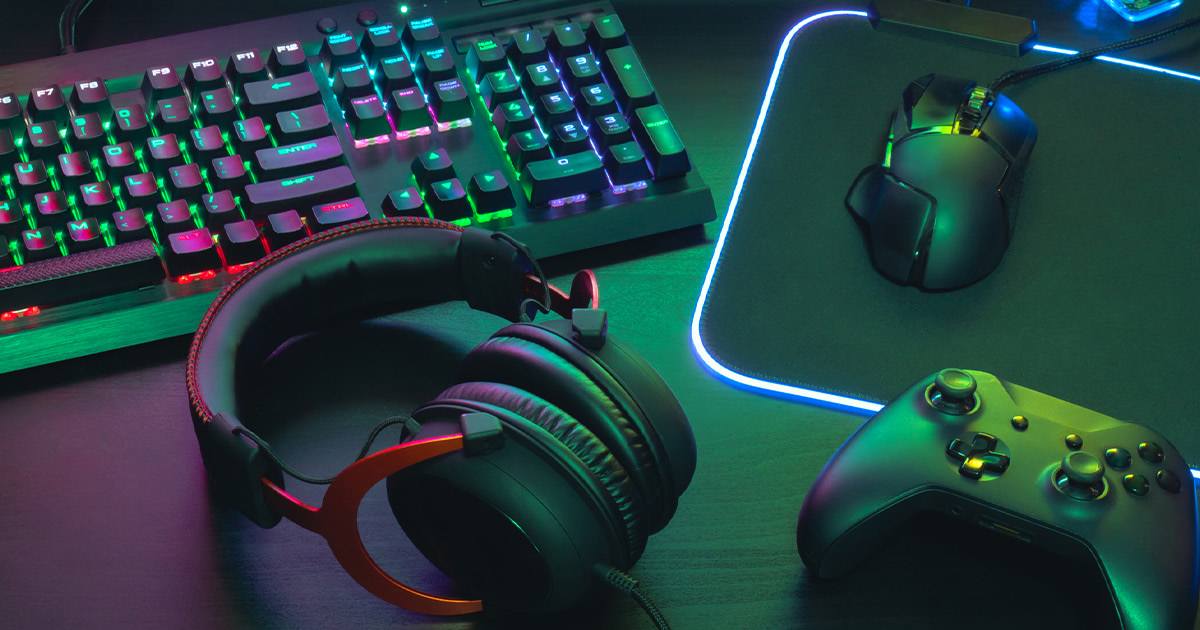
Ever felt your blood pressure spike during a particularly intense raid, or wanted to throw your controller across the room after losing a crucial match? You're not alone. The thrill of victory and the agony of defeat are amplified in the world of gaming, and sometimes, those emotions can get the best of us.
It's that familiar frustration when you're stuck on a difficult boss for hours, the sting of unfair play, the constant pressure of competitive matches – all these experiences can lead to heightened stress, anxiety, and even anger. This emotional rollercoaster can affect not only your gaming performance but also your relationships and overall well-being. It's tough to focus, maintain a positive attitude, or even enjoy the game when you're constantly battling your own internal reactions.
This guide aims to provide you with practical strategies for managing your emotions while gaming, helping you to transform those moments of frustration into opportunities for growth and learning. By understanding your emotional triggers and developing healthy coping mechanisms, you can enhance your gaming experience, improve your relationships, and cultivate a more balanced and fulfilling life.
Ultimately, mastering emotional regulation while gaming empowers you to enjoy the games you love without letting intense emotions control you. This involves recognizing your triggers, practicing mindfulness, developing healthy coping strategies, and fostering a positive gaming environment. By implementing these techniques, you can transform your gaming experience from a source of stress into a source of enjoyment and personal growth. Remember to focus on the fun, learn from your mistakes, and celebrate your achievements along the way.
Understanding Your Emotional Triggers
Okay, so I remember one time, I was playing this online shooter, and I wasconvincedeveryone else was cheating. Every single death felt completely unfair, and I started getting super angry. My heart was racing, my hands were sweating, and I was just spiraling. I ended up rage-quitting, yelling at my monitor, and feeling awful about myself afterwards. Looking back, it wasn't actually about the game itself. I was already stressed about work, and the perceived unfairness of the game just acted as a trigger, amplifying my existing anxiety. Now, I realize that identifying those triggers – understanding what situations, comments, or even types of games tend to set you off – is the first crucial step. Are you more likely to get frustrated in competitive games, or when playing with friends? Does a particular map or character always lead to negative emotions? Keeping a journal, even just mentally, can help you spot patterns and anticipate potential emotional flare-ups. Once you know your triggers, you can start developing strategies to manage them. Maybe it's taking a break when you feel the frustration rising, or focusing on what youcancontrol, like your own gameplay and attitude, rather than obsessing over external factors. It's all about being proactive and understanding yourself.
What is Emotional Regulation?
Emotional regulation, in its simplest form, is the ability to manage and respond to your emotions in a healthy and constructive way. It doesn't mean suppressing or ignoring your feelings; rather, it involves understanding them, accepting them, and choosing how to express them appropriately. Think of it as being the conductor of your own emotional orchestra, guiding the various instruments (your emotions) to create a harmonious and balanced performance. In the context of gaming, emotional regulation involves recognizing when you're feeling frustrated, angry, anxious, or overly excited, and then using techniques to calm yourself down, reframe your perspective, and maintain a positive attitude. This could involve deep breathing exercises, positive self-talk, taking a break, or simply reminding yourself that it's just a game. Emotional regulation is a skill that can be learned and developed over time, and it's essential for not only enjoying your gaming experience but also for building stronger relationships and improving your overall well-being. It's about taking control of your reactions and choosing how you want to respond to the challenges and triumphs that gaming presents.
History and Myths of Gaming Emotions
The idea that video games cause uncontrollable aggression is a long-standing, albeit often debunked, myth. The history of this perception is intertwined with moral panics surrounding new forms of media, from rock and roll to comic books. Early studies, often flawed in their methodology, fueled the narrative that violent games directly lead to violent behavior. However, more recent and robust research has shown that the link is far more complex and nuanced. While some individuals might experience temporary increases in aggression after playing violent games, this effect is typically small and short-lived. The vast majority of gamers understand the difference between the virtual world and reality and are able to separate their in-game actions from their real-life behavior. Another common myth is that emotional outbursts in gaming are solely the result of the game itself. In reality, underlying factors such as stress, fatigue, or personal issues often play a significant role in amplifying emotional responses. It's important to recognize that gaming can be a source of stress relief and social connection for many people, and blaming the game itself for emotional problems is an oversimplification. Understanding the history and debunking the myths surrounding gaming emotions allows us to approach the topic with a more informed and balanced perspective, focusing on individual well-being and responsible gaming habits.
The Hidden Secrets of Emotional Control
One of the biggest secrets to mastering emotional regulation in gaming is understanding the power of perspective. Often, when we're caught up in the heat of the moment, we lose sight of the bigger picture. We focus on the immediate frustration of a lost match or a failed attempt, neglecting the fact that it's just one small moment in a much larger experience. Learning to reframe your perspective – to see losses as learning opportunities, to appreciate the challenge of overcoming obstacles, and to focus on the fun of the game itself – can significantly reduce negative emotions. Another hidden secret is the importance of self-compassion. It's easy to beat yourself up after making a mistake or performing poorly, but this only exacerbates negative feelings. Instead, try treating yourself with the same kindness and understanding you would offer a friend in a similar situation. Acknowledge your mistakes, learn from them, and move on without dwelling on them. Finally, remember that emotional regulation is not about perfection; it's about progress. You're not always going to be able to control your emotions perfectly, and that's okay. The key is to keep practicing, to keep learning, and to keep striving to improve your emotional resilience over time.
Recommendations for Managing Emotions
When it comes to managing emotions while gaming, one of the most effective recommendations is to practice mindfulness. This involves paying attention to your thoughts, feelings, and bodily sensations in the present moment without judgment. Before you start gaming, take a few deep breaths and consciously relax your muscles. During gameplay, notice when you start to feel frustrated or angry, and acknowledge those emotions without letting them consume you. Another helpful recommendation is to take regular breaks. Prolonged gaming sessions can lead to fatigue and increased irritability, making it harder to regulate your emotions. Set a timer and take a short break every hour to stretch, walk around, or do something else that helps you relax. Additionally, consider the games you're playing and how they affect your emotional state. Some games are inherently more stressful or competitive than others. If you find that certain games consistently trigger negative emotions, it might be best to limit your exposure to them or find alternative games that are more enjoyable and less emotionally taxing. Finally, remember to prioritize self-care. Getting enough sleep, eating a healthy diet, and engaging in regular physical activity can all contribute to improved emotional regulation. When you're feeling good physically, you're better equipped to handle the emotional challenges that gaming can present.
Identifying Stressful Games and Situations
Certain game genres or even specific in-game situations can be particularly triggering for negative emotions. Competitive multiplayer games, for example, often create a high-pressure environment where players are constantly striving to outperform each other. This can lead to increased stress, anxiety, and frustration, especially when facing skilled opponents or experiencing perceived unfairness. Similarly, games with permadeath mechanics or challenging difficulty levels can be emotionally taxing, as players risk losing significant progress or facing repeated failures. In addition to game genres, specific in-game situations can also trigger emotional responses. Losing a close match, being griefed or harassed by other players, or experiencing technical difficulties can all lead to frustration and anger. Recognizing these patterns – identifying the specific games or situations that tend to trigger negative emotions – is the first step in developing effective coping strategies. Once you know your triggers, you can start to anticipate them and take proactive steps to manage your emotional responses. This might involve choosing to play less competitive games, avoiding certain in-game situations, or simply being more mindful of your emotional state while gaming.
Tips for Better Emotional Regulation
One simple but powerful tip is to practice deep breathing exercises. When you feel your heart racing or your muscles tensing, take a few slow, deep breaths, inhaling through your nose and exhaling through your mouth. This can help to calm your nervous system and reduce feelings of anxiety and stress. Another helpful tip is to use positive self-talk. Instead of focusing on negative thoughts like "I'm terrible at this game" or "I'm going to lose," try replacing them with positive affirmations like "I'm improving with every game" or "I can handle this challenge." This can help to boost your confidence and maintain a more positive attitude. Furthermore, consider adjusting your gaming setup to create a more relaxing and comfortable environment. This might involve using a comfortable chair, adjusting the lighting to reduce eye strain, or listening to calming music while you play. A comfortable and relaxing environment can help to reduce stress and improve your overall gaming experience. Finally, remember that it's okay to step away from the game when you're feeling overwhelmed. Sometimes, the best thing you can do for your emotional well-being is to take a break and do something else that you enjoy. This can help you to clear your head, recharge your batteries, and return to the game with a fresh perspective.
The Importance of Taking Breaks
Taking breaks is often overlooked, but it's a crucial component of emotional regulation in gaming. Prolonged gaming sessions can lead to mental fatigue, eye strain, and physical discomfort, all of which can contribute to increased irritability and emotional dysregulation. When you're tired and stressed, it's harder to control your emotions and maintain a positive attitude. Regular breaks allow you to step away from the game, clear your head, and recharge your batteries. During your breaks, try to engage in activities that help you relax and de-stress. This might involve stretching, walking around, listening to music, or spending time with friends or family. Avoid activities that are likely to add to your stress, such as checking work emails or scrolling through social media. The length and frequency of your breaks will depend on your individual needs and preferences. Some people may benefit from taking a short break every 30 minutes, while others may be able to game for an hour or two before needing a break. Experiment to find what works best for you. The key is to be mindful of your emotional state and to take a break whenever you start to feel overwhelmed or frustrated.
Fun Facts About Gaming and Emotions
Did you know that studies have shown that playing video games can actually improve your cognitive skills? Certain types of games, such as strategy games and puzzle games, can enhance your problem-solving abilities, decision-making skills, and reaction time. However, it's important to remember that the benefits of gaming are maximized when combined with healthy emotional regulation. Another interesting fact is that gaming can be a powerful tool for social connection. Many people form strong friendships and build supportive communities through online gaming. These social connections can provide a sense of belonging and reduce feelings of loneliness and isolation. However, it's also important to be mindful of the potential for toxicity and negative interactions within online gaming communities. Learning to navigate these social dynamics and to manage your emotional responses to negative interactions is essential for maintaining a positive gaming experience. Finally, it's worth noting that the emotional impact of gaming can vary significantly depending on individual personality traits and coping styles. Some people are naturally more prone to emotional reactivity than others, and some individuals may have pre-existing mental health conditions that can be exacerbated by gaming. Understanding your own personality and coping style is essential for developing effective strategies for managing your emotions while gaming.
How to Improve Your Emotional Regulation
Improving your emotional regulation is a process that requires consistent effort and self-awareness. Start by identifying your emotional triggers – the specific games, situations, or interactions that tend to provoke negative emotions. Once you know your triggers, you can start to develop strategies for managing them. This might involve avoiding certain games or situations, practicing relaxation techniques, or using positive self-talk. One effective technique is to practice mindfulness. This involves paying attention to your thoughts, feelings, and bodily sensations in the present moment without judgment. When you start to feel overwhelmed or frustrated, take a few deep breaths and consciously relax your muscles. Acknowledge your emotions without letting them consume you. Another helpful strategy is to develop a support system. Talk to friends, family members, or a therapist about your experiences with gaming and your struggles with emotional regulation. Having someone to talk to can provide a sense of validation and support, and they may be able to offer helpful advice or strategies. Finally, remember that improving your emotional regulation takes time and practice. Don't get discouraged if you have setbacks or if you struggle to control your emotions at times. The key is to keep practicing, to keep learning, and to keep striving to improve your emotional resilience over time.
What if You Can't Regulate Emotions
If you find yourself consistently struggling to regulate your emotions while gaming, it's important to recognize that you're not alone and that help is available. Persistent difficulties with emotional regulation can have a significant impact on your gaming experience, your relationships, and your overall well-being. If you've tried various strategies and techniques without success, it might be beneficial to seek professional help. A therapist or counselor can provide you with personalized guidance and support, helping you to identify the underlying causes of your emotional dysregulation and to develop more effective coping mechanisms. They can also teach you specific skills, such as cognitive behavioral therapy (CBT) or dialectical behavior therapy (DBT), which can be highly effective in managing emotions. Ignoring or suppressing your emotions can actually make them worse in the long run. Unresolved emotional issues can lead to increased stress, anxiety, depression, and even physical health problems. Addressing your emotional regulation challenges is an investment in your overall well-being and can lead to a more fulfilling and enjoyable life. Remember, seeking help is a sign of strength, not weakness. It shows that you're committed to taking care of yourself and to improving your emotional health.
Listicle: Top 5 Emotional Regulation Tips
Let's get straight to the point with the top 5 emotional regulation tips for gamers!
1.Identify Your Triggers: Know what games, situations, or even specific players set you off. Awareness is the first step to control.
2.Practice Deep Breathing: When frustration hits, take a moment to breathe deeply. Inhale slowly through your nose, exhale slowly through your mouth. Repeat until you feel calmer.
3.Take Breaks: Don't push yourself to the breaking point. Step away from the screen, stretch, and do something you enjoy.
4.Use Positive Self-Talk: Replace negative thoughts with positive affirmations. Remind yourself that it's just a game and that you're improving with every session.
5.Seek Support: Talk to friends, family, or a therapist about your struggles. Having a support system can make a huge difference.
These are not magic bullets, but consistent application can significantly improve your gaming experience and overall emotional well-being. Good luck, and remember to have fun!
Question and Answer
Here are some common questions about emotional regulation in gaming:
Q: Why do I get so angry when I lose?
A: Losing can trigger a variety of emotions, including frustration, disappointment, and anger. This can be due to a desire to succeed, a fear of failure, or a feeling of being unfairly treated. Identifying the specific reasons behind your anger can help you develop more effective coping strategies.
Q: How can I deal with toxic players online?
A: Dealing with toxic players can be challenging, but there are several strategies you can use. You can mute or block them, report them to the game administrators, or simply choose to disengage from the interaction. It's important to remember that their behavior is a reflection of them, not you.
Q: Is it normal to feel stressed when playing competitive games?
A: Yes, it's normal to feel stressed when playing competitive games. The pressure to perform well and the desire to win can lead to increased anxiety and stress. However, it's important to manage your stress levels and to prevent them from becoming overwhelming.
Q: What if I can't seem to control my emotions no matter what I try?
A: If you've tried various strategies without success, it might be beneficial to seek professional help. A therapist or counselor can provide you with personalized guidance and support, helping you to identify the underlying causes of your emotional dysregulation and to develop more effective coping mechanisms.
Conclusion of Gaming Emotional Regulation: Managing Emotions While Gaming
So, there you have it. Learning to manage your emotions while gaming is a skill that can improve not only your gameplay but also your overall well-being. By understanding your triggers, practicing mindfulness, developing healthy coping strategies, and fostering a positive gaming environment, you can transform your gaming experience from a source of stress into a source of enjoyment and personal growth. Remember that it's okay to feel frustrated or angry, but it's important to learn how to manage those emotions in a healthy and constructive way. Keep practicing, keep learning, and keep striving to improve your emotional resilience over time. Happy gaming!
Post a Comment