Gaming Identity Formation: Self-Concept Through Gaming
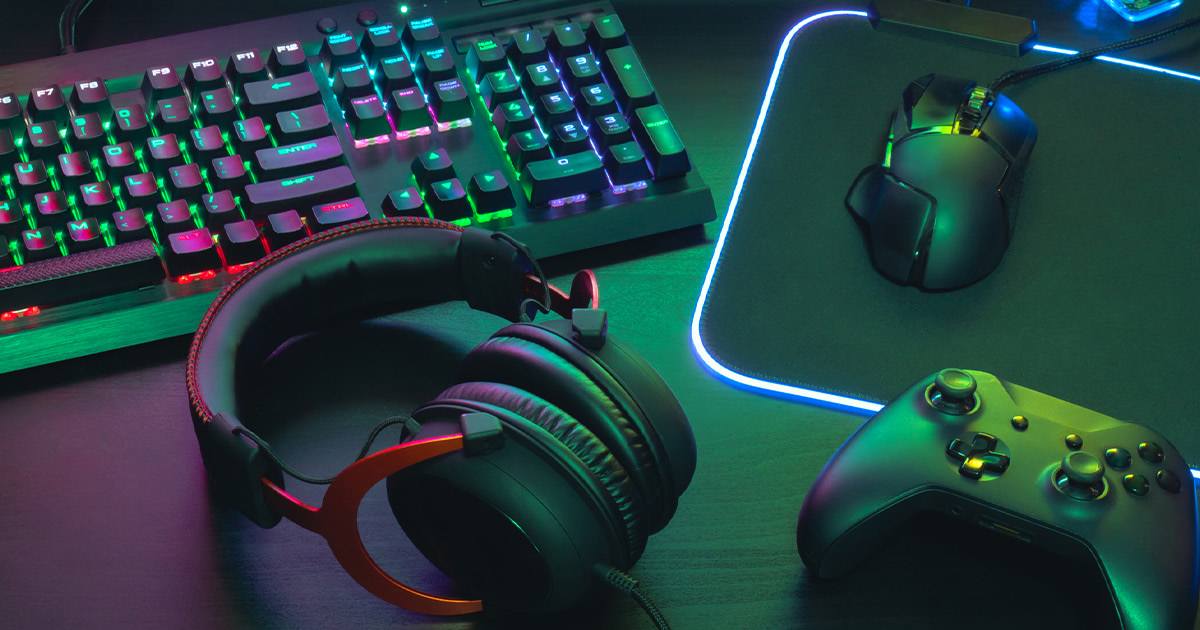
Ever wondered why you gravitate towards certain characters or playstyles in your favorite games? It's not just about winning or having fun; it's often a reflection of something deeper – the formation of your identity. Gaming provides a unique space where we can explore different facets of ourselves, experiment with new roles, and ultimately, understand who we are.
Sometimes, the lines between the virtual world and reality can blur. We might feel pressure to conform to certain gaming communities, leading to internal conflicts between our authentic selves and the persona we present online. It can be tough to navigate these social landscapes, especially when self-esteem gets tied to in-game performance or online reputation. Balancing real-life responsibilities with the allure of virtual achievements can also present its own set of challenges, impacting relationships and personal well-being.
This article aims to explore how gaming contributes to our sense of self. We'll delve into the ways we use games to experiment with identity, build communities, and express ourselves. We'll also examine the potential pitfalls and how to cultivate a healthy relationship with gaming that enhances, rather than detracts from, our overall well-being.
Ultimately, understanding the impact of gaming on our self-concept allows us to be more mindful and intentional about our engagement with virtual worlds. It's about recognizing the power of games as a tool for self-discovery and embracing the opportunity to create a balanced and fulfilling identity, both online and offline. We will touch upon self-perception, social interaction, virtual environments, and the influence of gaming culture on personal identity.
Personal Experiences with Gaming Identity
I remember when I first started playing online multiplayer games. I was incredibly shy in real life, but in the game, I could be anyone I wanted. I chose a character that was the complete opposite of me – a confident, charismatic leader. To my surprise, I found myself actually embodying those traits within the game. I started leading raids, making friends, and even became a mentor to new players. It was an incredible feeling, a sense of empowerment I hadn't experienced before. This experience opened my eyes to the transformative potential of gaming. It wasn't just about escaping reality; it was about exploring different versions of myself and discovering hidden strengths. This resonates with many players who use games to try on different 'selves' in a low-risk environment. The anonymity and perceived distance from real-world consequences can foster a sense of freedom and experimentation, allowing individuals to explore aspects of their personality that they might otherwise suppress. This process of self-discovery through gaming can contribute significantly to their overall identity formation. The positive reinforcement and social connections fostered within gaming communities can also boost self-esteem and provide a sense of belonging. Ultimately, the virtual world can become a proving ground for developing confidence and social skills that translate into real-life interactions.
What is Gaming Identity Formation?
Gaming identity formation refers to the process by which individuals develop a sense of self through their engagement with video games. This encompasses a variety of factors, including the characters they choose to play, the roles they adopt within gaming communities, and the values they internalize from the gaming culture. It's not simply about adopting a new persona; it's about integrating aspects of that persona into one's overall self-concept. This integration can be conscious or subconscious, but it inevitably shapes how individuals perceive themselves and interact with the world around them. The impact of gaming on identity is multifaceted, ranging from the development of new skills and competencies to the formation of social bonds and the exploration of personal values. Games offer a unique opportunity to experiment with different identities in a safe and controlled environment. Players can try on different roles, explore different moral choices, and receive immediate feedback on their actions. This process of experimentation can lead to a greater understanding of one's own strengths, weaknesses, and preferences. Gaming communities also play a significant role in identity formation. These communities provide a sense of belonging and support, allowing individuals to connect with others who share similar interests and values. Through these interactions, players can develop their social skills, learn to collaborate effectively, and build lasting friendships.
History and Myth of Gaming Identity
The concept of gaming identity, while relatively new in its formal study, has roots that extend back to the early days of online gaming. Initially, player identities were simple usernames or avatars, but as technology advanced and online communities grew, the complexity of these identities increased exponentially. Myths surrounding gaming identity often revolve around the idea of "escapism," suggesting that players are simply trying to avoid reality. While escapism can be a factor, it overlooks the more nuanced ways in which gaming contributes to self-discovery and personal growth. Another myth is the belief that gaming identities are inherently fake or inauthentic. However, research suggests that many players view their gaming identities as extensions of their real-world selves, rather than as entirely separate entities. They use games to express aspects of their personality, explore their values, and connect with others who share their interests. The evolution of gaming identity has been shaped by technological advancements, social trends, and cultural shifts. Early text-based games, such as MUDs (Multi-User Dungeons), allowed players to create detailed character descriptions and interact with others in a virtual world. As graphical interfaces became more sophisticated, players gained the ability to customize their avatars and express their individuality through visual means. Social media platforms and streaming services have further blurred the lines between the virtual and real worlds, allowing players to share their gaming experiences with a wider audience and build a personal brand around their gaming identity. The rise of esports has also contributed to the professionalization of gaming, with top players becoming celebrities and role models for aspiring gamers.
Hidden Secrets of Gaming Identity
One of the hidden secrets of gaming identity lies in its ability to facilitate self-acceptance. Many individuals struggle with feelings of inadequacy or insecurity in their real lives, but they find validation and empowerment within the gaming world. By mastering challenging games, building strong communities, and achieving virtual accomplishments, they can boost their self-esteem and develop a more positive self-image. The anonymity afforded by online gaming can also allow individuals to explore aspects of their identity that they might otherwise keep hidden. For example, someone who identifies as shy or introverted in real life might feel more comfortable expressing themselves boldly and assertively within a game. This can be a liberating experience, allowing them to break free from limiting beliefs and discover new facets of their personality. Another secret is the power of gaming to foster empathy and understanding. By playing games that require cooperation and communication, players can learn to see the world from different perspectives and develop a greater appreciation for the experiences of others. They can also encounter characters from diverse backgrounds and cultures, which can challenge their assumptions and broaden their worldview. The hidden secrets of gaming identity are not always immediately apparent, but they can have a profound impact on an individual's personal growth and well-being. By understanding these secrets, we can harness the power of gaming to create a more fulfilling and meaningful life.
Recommendations for Gaming Identity
To cultivate a healthy gaming identity, it's crucial to be mindful of your motivations and intentions. Are you using gaming as a tool for self-discovery, or are you trying to escape from your problems? Are you building genuine connections with others, or are you simply seeking validation and approval? Reflecting on these questions can help you to ensure that your engagement with gaming is aligned with your values and goals. It's also important to set healthy boundaries and avoid letting gaming consume your life. Make sure to prioritize your real-world responsibilities, maintain meaningful relationships, and engage in activities that nourish your mind, body, and spirit. Remember that your gaming identity is just one aspect of your overall self-concept, and it shouldn't define who you are as a person. Seek out diverse experiences and perspectives, both online and offline, to develop a well-rounded and integrated identity. Consider joining gaming communities that promote positive values and supportive interactions. Avoid communities that are characterized by toxicity, negativity, or excessive competition. Surround yourself with people who uplift and inspire you, both in the virtual world and in real life. Be open to experimenting with different characters, playstyles, and roles within games, but always stay true to yourself. Don't feel pressured to conform to the expectations of others or to adopt an identity that doesn't feel authentic. The goal is to use gaming as a tool for self-expression and self-discovery, not to become someone you're not.
Navigating Online Communities
Online gaming communities can be a double-edged sword. On one hand, they offer a sense of belonging, a place to connect with like-minded individuals, and opportunities for collaboration and support. On the other hand, they can also be breeding grounds for toxicity, harassment, and social pressure. To navigate these communities effectively, it's essential to be discerning about the groups you join and the interactions you engage in. Look for communities that promote positive values, respect diverse perspectives, and encourage constructive communication. Avoid communities that are characterized by negativity, aggression, or discrimination. Be mindful of your own behavior and how it might impact others. Treat everyone with respect, even if you disagree with their opinions or playstyles. Avoid engaging in flame wars, trolling, or other forms of disruptive behavior. Remember that your words and actions have consequences, both online and offline. If you encounter harassment or abuse, don't hesitate to report it to the community moderators or to the platform administrators. You also have the right to block or mute individuals who are causing you distress. Prioritize your own well-being and don't feel obligated to stay in a community that is making you feel uncomfortable or unsafe. It's okay to leave a group if it's not a good fit for you. There are plenty of other communities out there that will welcome you with open arms. Cultivate a sense of critical thinking and media literacy. Be aware that not everything you see or hear online is true. Be skeptical of claims that seem too good to be true, and always verify information before sharing it with others.
Tips for a Healthy Gaming Identity
One of the most important tips for cultivating a healthy gaming identity is to maintain a balanced lifestyle. Don't let gaming consume your life to the point where it negatively impacts your real-world responsibilities, relationships, or well-being. Set realistic goals for your gaming sessions and stick to them. Avoid spending excessive amounts of time playing games at the expense of other important activities. Make sure to prioritize your physical health by getting regular exercise, eating nutritious meals, and getting enough sleep. Lack of sleep and physical activity can negatively impact your mood, cognitive function, and overall health. Take breaks from gaming to engage in other activities that you enjoy, such as reading, spending time with friends and family, or pursuing hobbies. It's important to have a variety of interests and activities to avoid becoming too narrowly focused on gaming. Practice self-compassion and avoid being too hard on yourself. Everyone makes mistakes, and it's okay to struggle with challenging games or to have bad gaming sessions. Don't let your performance in a game define your self-worth. Celebrate your successes and learn from your failures. Focus on the process of learning and improving, rather than solely on the outcome. Be mindful of the language you use when talking to yourself and others about gaming. Avoid using terms that are judgmental, critical, or demeaning. Focus on positive and encouraging language that promotes growth and self-acceptance. Remember that gaming is ultimately a form of entertainment and recreation. Don't take it too seriously, and have fun!
Understanding the Psychological Impact
The psychological impact of gaming on identity is a complex and multifaceted topic. Games can influence our self-esteem, our sense of agency, and our social relationships. They can also provide us with opportunities for self-expression, self-discovery, and personal growth. However, it's important to be aware of the potential negative impacts of gaming on mental health. Excessive gaming can lead to addiction, social isolation, anxiety, and depression. It's crucial to monitor your gaming habits and to seek professional help if you're struggling with any of these issues. The types of games we play can also influence our psychological well-being. Violent games have been linked to increased aggression and desensitization to violence. However, other types of games, such as puzzle games and strategy games, can improve cognitive function and problem-solving skills. The social interactions we have within gaming communities can also have a significant impact on our mental health. Positive social interactions can boost self-esteem and provide a sense of belonging. Negative social interactions, such as harassment and bullying, can lead to feelings of anxiety, depression, and social isolation. It's important to cultivate positive relationships within gaming communities and to avoid engaging in toxic or harmful behaviors. Be mindful of the information you share online and take steps to protect your privacy. Avoid sharing personal information with strangers, and be cautious about clicking on links or downloading files from unknown sources. Remember that your online identity is an extension of your real-world identity, and it's important to protect yourself from harm.
Fun Facts of Gaming Identity
Did you know that studies have shown that gamers often develop stronger problem-solving skills than non-gamers? The complex challenges presented in many video games require players to think critically, strategize effectively, and adapt to changing circumstances. This can translate into improved problem-solving abilities in other areas of life. Another fun fact is that gaming can actually improve your reaction time and hand-eye coordination. Fast-paced action games require players to react quickly to visual and auditory stimuli, which can enhance their reflexes and motor skills. This can be beneficial in sports, driving, and other activities that require quick reflexes and precise movements. Gaming can also foster creativity and imagination. Many games allow players to create their own characters, build their own worlds, and tell their own stories. This can stimulate their imagination and encourage them to think outside the box. Some games even provide tools for players to create their own levels, mods, and other content, which can further enhance their creativity. Believe it or not, gaming can also improve your social skills. Online multiplayer games provide opportunities for players to connect with others from all over the world, collaborate on projects, and build lasting friendships. These interactions can help them to develop their communication skills, learn to work as part of a team, and build social bonds. There's even evidence to suggest that gaming can help to relieve stress and improve mood. Immersing yourself in a virtual world can be a great way to escape from the pressures of everyday life and unwind. Many games also provide a sense of accomplishment and reward, which can boost your self-esteem and improve your mood.
How to Cultivate Your Gaming Identity
Cultivating a gaming identity is a personal journey, but there are some general guidelines you can follow to make the most of the experience. Start by exploring different genres and styles of games to find what resonates with you. Don't be afraid to step outside of your comfort zone and try something new. You might discover a hidden passion or talent that you never knew you had. Once you've found a few games that you enjoy, start experimenting with different characters, playstyles, and roles. Try on different "selves" and see what feels right. Pay attention to the emotions and sensations that arise as you play. Are you feeling confident and empowered? Or are you feeling anxious and frustrated? Use these feelings as a guide to help you understand your own preferences and values. Join gaming communities that align with your interests and values. These communities can provide a sense of belonging, support, and inspiration. Be an active participant in these communities and contribute to the conversation. Share your experiences, offer advice, and support your fellow gamers. Use your gaming identity as a platform for self-expression. Create your own characters, write your own stories, and share your creations with the world. Use your gaming identity to advocate for causes that you care about. Speak out against injustice, promote inclusivity, and inspire others to make a positive impact on the world. Most importantly, be authentic and true to yourself. Don't try to be someone you're not. Embrace your unique qualities and use your gaming identity to express your true self.
What if Gaming Identity Becomes Too Important?
If gaming identity becomes too important, it can start to negatively impact other areas of your life. You might find yourself neglecting your real-world responsibilities, relationships, or well-being. You might become overly obsessed with your in-game achievements, your online reputation, or your standing within a gaming community. You might start to identify so strongly with your gaming persona that you lose sight of your own authentic self. If you find yourself experiencing any of these issues, it's important to take a step back and reassess your relationship with gaming. Ask yourself why gaming has become so important to you. Are you using it as a way to escape from problems in your real life? Are you seeking validation and approval from others? Are you trying to compensate for feelings of inadequacy or insecurity? Once you've identified the underlying reasons for your obsession with gaming, you can start to address those issues. Consider seeking professional help from a therapist or counselor. They can help you to develop coping strategies for dealing with stress, anxiety, and other mental health issues. They can also help you to develop a more balanced and healthy relationship with gaming. Set boundaries for your gaming sessions and stick to them. Avoid spending excessive amounts of time playing games at the expense of other important activities. Make sure to prioritize your physical health, your relationships, and your other interests. Cultivate a sense of self-worth that is independent of your gaming achievements. Remember that your value as a person is not determined by your skill at a video game. Focus on your strengths, your accomplishments, and your positive qualities. Connect with others who share your interests and values, both online and offline. Build meaningful relationships that provide you with support, encouragement, and a sense of belonging.
Listicle: Exploring Different Facets of Gaming Identity
Let's explore the multifaceted nature of gaming identity with a listicle:
- The Achiever: This identity is driven by a desire for mastery and accomplishment within the game. They meticulously optimize their characters, conquer challenging content, and strive to reach the top of the leaderboards. For them, gaming is a proving ground for their skills and dedication.
- The Explorer: The explorer is driven by a thirst for discovery and adventure. They revel in exploring vast game worlds, uncovering hidden secrets, and pushing the boundaries of what's possible. For them, gaming is a journey of exploration and discovery.
- The Socializer: This identity finds joy in connecting with others and building relationships within the game. They actively participate in gaming communities, form alliances, and forge lasting friendships. For them, gaming is a social hub where they can connect with like-minded individuals.
- The Roleplayer: The roleplayer fully immerses themselves in the game's world and characters, adopting a distinct persona and engaging in imaginative storytelling. They relish the opportunity to express themselves creatively and to explore different perspectives.
- The Competitor: The competitor thrives on the thrill of victory and the challenge of outperforming others. They participate in competitive matches, tournaments, and esports events, seeking to prove their skills and climb the ranks. For them, gaming is a battleground where they can test their mettle against the best.
- The Casual Gamer: The casual gamer enjoys gaming as a form of relaxation and entertainment, without feeling pressure to achieve specific goals or conform to certain expectations. They simply want to unwind, have fun, and escape from the stresses of everyday life.
These are just a few examples of the many different facets of gaming identity. Each individual's gaming identity is unique and shaped by their personal experiences, motivations, and values. By understanding the different aspects of gaming identity, we can gain a deeper appreciation for the complex ways in which gaming influences our sense of self.
Question and Answer about Gaming Identity
Here are some frequently asked questions about gaming identity, along with their answers:
Question 1: Is it normal to feel more confident in a game than in real life?
Answer: Yes, it's quite common! Games often provide a safe space to experiment with different aspects of your personality and develop skills without the same real-world consequences. This can lead to increased confidence within the game environment.
Question 2: Can my gaming identity negatively affect my real-life relationships?
Answer: It's possible if gaming becomes an obsession that consumes your time and attention. Neglecting real-life responsibilities and relationships for the sake of gaming can strain those connections.
Question 3: How can I balance my gaming identity with my real-world identity?
Answer: The key is to prioritize a balanced lifestyle. Set boundaries for your gaming sessions, make time for real-world activities and relationships, and remember that your value as a person extends far beyond your gaming achievements.
Question 4: Is it okay to have different values in a game than I do in real life?
Answer: It can be a form of exploration and experimentation. Games offer a chance to explore different moral scenarios and see how you would react. However, it's important to be mindful of the impact of your in-game actions and to ensure that they don't bleed over into your real-world behavior.
Conclusion of Gaming Identity Formation
In conclusion, the formation of gaming identity is a significant aspect of modern self-concept, shaped by our interactions within virtual environments. Games offer opportunities for self-discovery, social connection, and skill development, but it's crucial to maintain a balanced perspective. By understanding the potential influences of gaming on our identity, we can harness its benefits while mitigating any negative impacts. Embracing mindful engagement, setting healthy boundaries, and cultivating a diverse range of interests are key to fostering a positive and fulfilling relationship with gaming.
Post a Comment