Gaming Impulse Control: Managing Gaming Urges
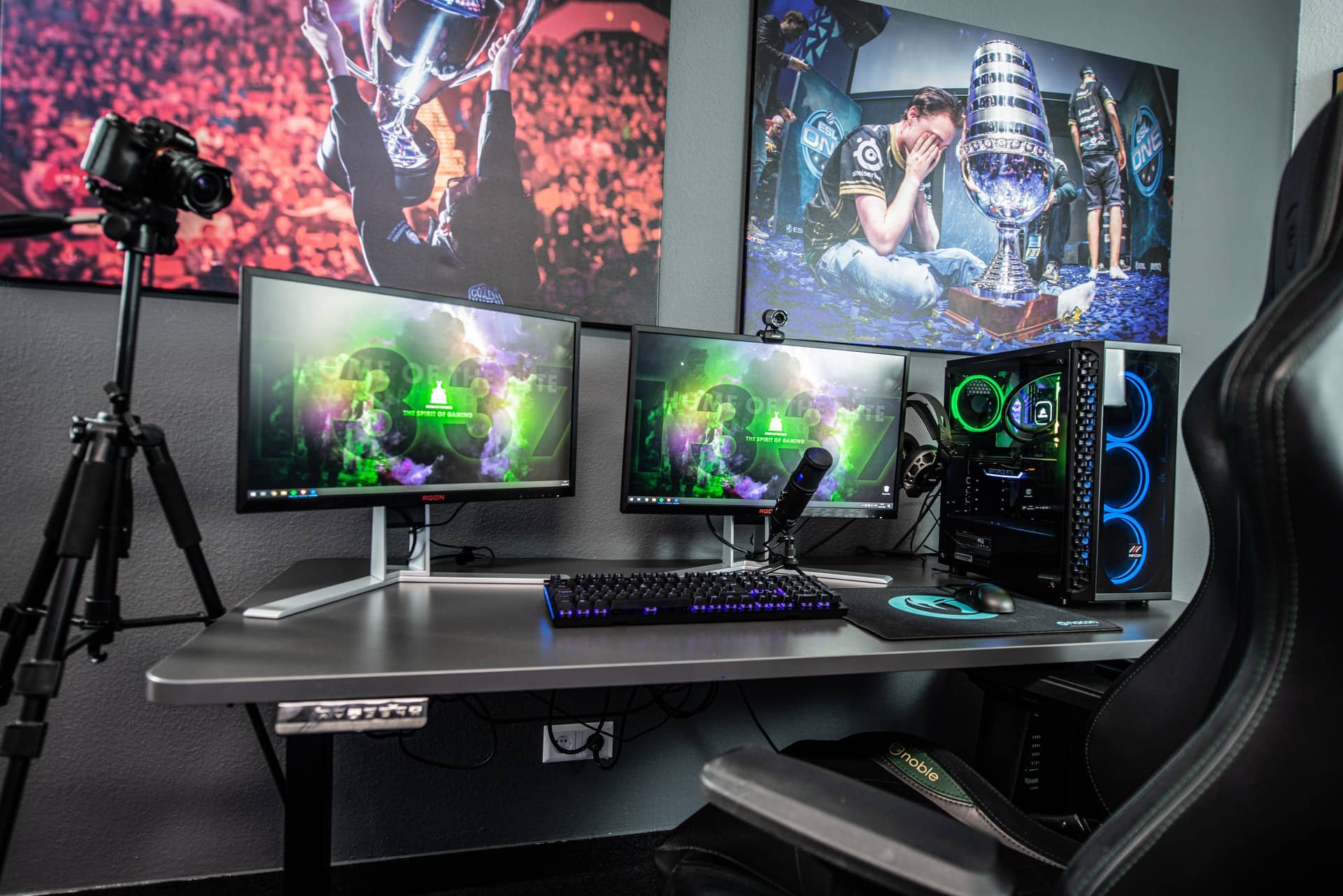
Ever find yourself promising just one more level, one more match, one more quest, only to look up and realize hours have vanished? Gaming can be an incredible source of fun, connection, and even skill-building, but sometimes those urges can feel a little too strong to handle.
It's easy to feel guilty when gaming starts to interfere with other important things – responsibilities at work or school, spending time with loved ones, or even just getting enough sleep. You might feel like you're losing control, stuck in a cycle of wanting to stop but not being able to. The pull of the game becomes incredibly strong, and the real world starts to fade into the background.
This post is all about helping you take charge of your gaming habits. We'll explore practical strategies to manage those gaming urges, find a healthier balance, and still enjoy the games you love without letting them take over your life. It’s about finding harmony, not complete abstinence.
We'll cover practical techniques, delve into the psychology behind gaming urges, and explore ways to build a healthier relationship with gaming. By understanding the triggers, setting realistic limits, and finding alternative activities, you can reclaim control and enjoy gaming on your own terms. We'll discuss strategies for managing screen time, impulse control, and how to identify potential addiction warning signs. This is about finding a balanced approach that works for you, allowing you to enjoy gaming without it negatively impacting your well-being.
Recognizing Your Triggers
For me, it always started with stress. A tough day at work, a disagreement with a friend, anything that left me feeling anxious or overwhelmed. Suddenly, the urge to escape into a game became almost unbearable. I remember one particularly difficult week where I barely slept, fueled by energy drinks and the constant need to level up my character. I told myself it was just a way to unwind, but deep down, I knew it was more than that. The game became a refuge, a place where I felt in control, even though my real life was spiraling. Recognizing this pattern was the first step in breaking it. I realized I was using gaming as a coping mechanism, and while it provided temporary relief, it wasn't addressing the underlying issues. Now, when I feel that familiar pull, I try to identify the trigger and find a healthier way to deal with it, whether it's going for a walk, talking to a friend, or practicing mindfulness. Understanding what sparks your desire to game excessively is paramount to managing the impulse. Is it boredom? Stress? Loneliness? Identifying your triggers allows you to develop strategies to address those underlying needs in a healthier way, reducing the temptation to turn to gaming as a default solution. This self-awareness is key to building a more balanced lifestyle and regaining control over your gaming habits.
What is Impulse Control in Gaming?
Impulse control in gaming refers to your ability to resist the urge to play excessively or make impulsive decisions within the game. It's about being able to set boundaries, stick to them, and prioritize other aspects of your life outside of the virtual world. This includes resisting the urge to spend excessive amounts of money on in-game purchases, limiting your playtime to designated periods, and choosing to engage in other activities when you know you should. Without impulse control, gaming can easily spiral out of control, leading to negative consequences such as neglecting responsibilities, straining relationships, and experiencing physical or mental health issues. Developing impulse control involves recognizing the triggers that lead to excessive gaming, implementing strategies to manage those urges, and cultivating a healthier relationship with gaming overall. It's about finding a balance that allows you to enjoy gaming without letting it dominate your life.
The History and Myths of Gaming Urges
The concept of gaming urges, while seemingly modern, has roots that stretch back to the early days of video games. Initially, the focus was on the novelty and excitement of these new interactive experiences. However, as games became more complex and immersive, the potential for excessive engagement also grew. Myths surrounding gaming often paint a picture of immediate addiction and social isolation. While these risks are real, they're often exaggerated. Not everyone who enjoys gaming develops a problematic relationship with it. Many people are able to play responsibly and integrate it into a balanced lifestyle. However, the persistent narrative of gaming as inherently addictive can contribute to feelings of guilt and shame, making it harder for individuals to seek help when they do struggle. Understanding the historical context and debunking common myths can help us approach the issue of gaming urges with a more nuanced and informed perspective, focusing on individual experiences and promoting responsible gaming habits rather than perpetuating harmful stereotypes. The history of gaming addiction is still being written, but acknowledging the evolution of games and their impact on human behavior is crucial for creating effective strategies for impulse control.
Hidden Secrets of Managing Gaming Urges
One of the biggest "secrets" to managing gaming urges is understanding that it's not about complete abstinence. Trying to quit cold turkey can often backfire, leading to feelings of deprivation and eventually, a relapse. Instead, focus on moderation and finding healthier alternatives. Another secret lies in the power of distraction. When you feel the urge to game, try engaging in a completely different activity that you enjoy. This could be anything from reading a book to going for a walk to spending time with loved ones. The key is to find something that can capture your attention and provide a sense of satisfaction. Finally, don't underestimate the importance of self-compassion. It's okay to slip up sometimes. If you find yourself gaming longer than you intended, don't beat yourself up about it. Just acknowledge it, learn from it, and move on. Treating yourself with kindness and understanding will make the process of managing your gaming urges much more sustainable in the long run. Remember that progress, not perfection, is the goal.
Recommendations for Healthy Gaming Habits
My top recommendation is to set clear, realistic limits for your gaming sessions. Use a timer or an app to track your playtime and stick to your self-imposed boundaries. Another crucial recommendation is to prioritize your responsibilities and schedule gaming around them, rather than the other way around. Make sure you're getting enough sleep, eating healthy meals, and maintaining social connections. Don't let gaming become the only thing in your life. Furthermore, consider finding alternative activities that you enjoy just as much as gaming. This could be anything from sports to creative hobbies to spending time in nature. Having a variety of interests will make it easier to resist the urge to game excessively. Finally, if you're struggling to manage your gaming habits on your own, don't hesitate to seek professional help. A therapist or counselor can provide guidance and support in developing coping mechanisms and addressing any underlying issues that may be contributing to your gaming urges. Remember, seeking help is a sign of strength, not weakness.
Understanding the Psychology Behind Gaming Impulses
Gaming impulses, like many other impulsive behaviors, are often rooted in the brain's reward system. When we engage in enjoyable activities, our brains release dopamine, a neurotransmitter associated with pleasure and motivation. Games are often designed to trigger this reward system repeatedly, providing a constant stream of positive reinforcement that can be highly addictive. The sense of accomplishment, the thrill of competition, and the social connection that many games offer all contribute to this dopamine rush. Furthermore, gaming can provide an escape from stress and negative emotions, offering a temporary sense of control and mastery. This can be particularly appealing for individuals who are struggling with anxiety, depression, or other mental health issues. Understanding the psychological mechanisms that drive gaming impulses can help us develop more effective strategies for managing them. By recognizing the triggers that lead to excessive gaming and finding alternative ways to satisfy our needs for reward, connection, and escape, we can break the cycle of impulsive behavior and regain control over our gaming habits. The psychological aspects of gaming are complex and understanding these underlying drivers is a step in achieving balance.
Tips for Managing Your Gaming Urges
One effective tip is to create a dedicated gaming space. This helps separate your gaming activity from other areas of your life and makes it easier to disconnect when you're finished playing. Another helpful tip is to disable notifications on your gaming devices. Constant reminders and alerts can trigger the urge to game, so minimizing these distractions can be beneficial. Furthermore, try scheduling your gaming sessions in advance. This allows you to plan your day and allocate specific time slots for gaming, rather than letting it consume your entire schedule. It's also important to be mindful of your gaming triggers. Pay attention to the situations, emotions, or thoughts that lead you to want to game excessively. Once you identify these triggers, you can develop strategies to avoid them or cope with them in a healthier way. Finally, remember to take breaks during your gaming sessions. Stand up, stretch, and move around every 30 minutes to prevent eye strain, fatigue, and other physical problems. Taking breaks can also help you maintain focus and avoid getting lost in the game. Simple tips implemented consistently can have a significant impact.
Breaking the Cycle: Strategies for Long-Term Change
Breaking the cycle of gaming urges requires a multi-faceted approach that addresses both the symptoms and the underlying causes. One crucial strategy is to develop a strong support system. Surround yourself with friends, family, or support groups who can provide encouragement and accountability. Sharing your struggles and successes with others can make the process of change much easier. Another important strategy is to develop healthy coping mechanisms for stress and negative emotions. Instead of turning to gaming as a way to escape, try practicing mindfulness, meditation, or yoga. Engaging in regular exercise can also help reduce stress and improve your mood. Furthermore, consider setting realistic goals for yourself and celebrating your progress along the way. Don't expect to completely eliminate gaming from your life overnight. Instead, focus on making gradual changes and rewarding yourself for achieving small milestones. Finally, remember that setbacks are a normal part of the process. Don't let a slip-up derail your efforts. Just acknowledge it, learn from it, and get back on track. Long-term change requires patience, persistence, and a willingness to adapt your strategies as needed. The journey towards managing your gaming is a marathon, not a sprint.
Fun Facts About Gaming and the Brain
Did you know that playing video games can actually improve your cognitive skills? Studies have shown that gaming can enhance problem-solving abilities, spatial reasoning, and reaction time. In fact, some surgeons even use video games to improve their hand-eye coordination. Another fun fact is that gaming can be a great way to socialize and connect with others. Many online games have vibrant communities where players can interact, collaborate, and form friendships. Gaming can also be a creative outlet. Many games allow players to design their own characters, build their own worlds, and create their own stories. Furthermore, gaming can be a great way to learn new things. Many games are based on historical events, scientific principles, or cultural traditions. Finally, it's worth noting that gaming is a global phenomenon. People from all over the world enjoy playing video games, and the industry is constantly evolving and innovating. Gaming is not just about entertainment; it's about skills, community, creativity, and learning. There is more to gaming than just the act of playing.
How to Find a Balance with Gaming
Finding a balance with gaming involves integrating it into a healthy and fulfilling lifestyle, rather than letting it dominate your time and energy. One important step is to set priorities. Identify your responsibilities, goals, and values, and make sure that your gaming habits align with them. Another crucial step is to create a schedule. Allocate specific time slots for gaming, and stick to your schedule as much as possible. This will help you avoid overspending time on gaming and neglecting other important aspects of your life. Furthermore, it's important to be mindful of your emotional state. If you're feeling stressed, anxious, or depressed, try to find healthier ways to cope with these emotions, rather than turning to gaming as an escape. Consider engaging in activities that promote relaxation, such as meditation, yoga, or spending time in nature. It's also important to cultivate healthy relationships with others. Spend time with friends and family, and make sure that your gaming habits are not interfering with these relationships. Finally, remember that balance is not a fixed state. It's an ongoing process that requires constant adjustment and adaptation. Finding balance is key to a harmonious life with gaming.
What If You Can't Control Your Urges?
If you find yourself consistently struggling to control your gaming urges, despite your best efforts, it may be a sign of a more serious problem, such as gaming disorder. Gaming disorder is a recognized mental health condition characterized by persistent and recurrent gaming behavior that leads to significant impairment in various areas of life. Symptoms of gaming disorder can include preoccupation with gaming, withdrawal symptoms when gaming is not possible, tolerance (needing to game more and more to achieve the same level of satisfaction), loss of control over gaming behavior, and continued gaming despite negative consequences. If you suspect that you may have gaming disorder, it's important to seek professional help. A therapist or counselor can provide a comprehensive assessment and develop a treatment plan tailored to your individual needs. Treatment options may include cognitive behavioral therapy (CBT), support groups, and medication. It's also important to be patient and compassionate with yourself. Overcoming gaming disorder can be a challenging process, but with the right support and treatment, it is possible to regain control over your life. Recognizing when you need additional support is a sign of strength.
A Listicle of Strategies for Managing Gaming Impulses
Here's a quick list of strategies to help you manage your gaming impulses:
- Identify your triggers: What situations, emotions, or thoughts lead you to want to game?
- Set time limits: Use a timer or app to track your playtime and stick to your boundaries.
- Prioritize responsibilities: Schedule gaming around your other obligations, not the other way around.
- Find alternative activities: Discover hobbies and interests that you enjoy just as much as gaming.
- Disable notifications: Minimize distractions by turning off alerts on your gaming devices.
- Create a dedicated gaming space: Separate your gaming activity from other areas of your life.
- Take breaks: Stand up, stretch, and move around every 30 minutes.
- Seek support: Talk to friends, family, or a therapist about your struggles.
- Practice self-compassion: Be kind to yourself and don't beat yourself up over slip-ups.
- Celebrate progress: Acknowledge and reward yourself for achieving your goals.
These strategies are meant to be customized to your individual needs and preferences, feel free to tailor them for your own unique situation. These strategies are useful to everyone.
Question and Answer Section
Q: How do I know if my gaming is becoming a problem?
A: If gaming is interfering with your responsibilities, relationships, or well-being, it's likely becoming a problem. Other signs include feeling preoccupied with gaming, experiencing withdrawal symptoms when you can't play, and losing control over your playtime.
Q: What are some healthy alternative activities to gaming?
A: There are countless healthy alternatives to gaming, such as reading, exercising, spending time in nature, pursuing creative hobbies, volunteering, or socializing with friends and family. The key is to find activities that you find enjoyable and fulfilling.
Q: How can I deal with the urge to game when I'm bored?
A: When you're feeling bored, try to engage in activities that stimulate your mind and body. This could include learning a new skill, working on a project, or simply going for a walk. It's also helpful to have a list of go-to activities that you can turn to when boredom strikes.
Q: What should I do if I relapse and game for longer than I intended?
A: If you relapse, don't beat yourself up about it. Acknowledge what happened, identify the triggers that led to it, and learn from the experience. Then, refocus on your goals and get back on track. Remember that setbacks are a normal part of the process.
Conclusion of Gaming Impulse Control: Managing Gaming Urges
Managing gaming impulses is a journey, not a destination. It requires self-awareness, commitment, and a willingness to adapt your strategies as needed. By understanding the psychology behind gaming urges, setting realistic limits, finding alternative activities, and seeking support when necessary, you can reclaim control over your gaming habits and enjoy a healthier, more balanced life. Remember that it's not about giving up gaming entirely, but about finding a way to integrate it into a fulfilling and meaningful existence. Good luck, and happy (and balanced) gaming!
Post a Comment