Gaming Moderation Techniques: Balanced Gaming Strategies
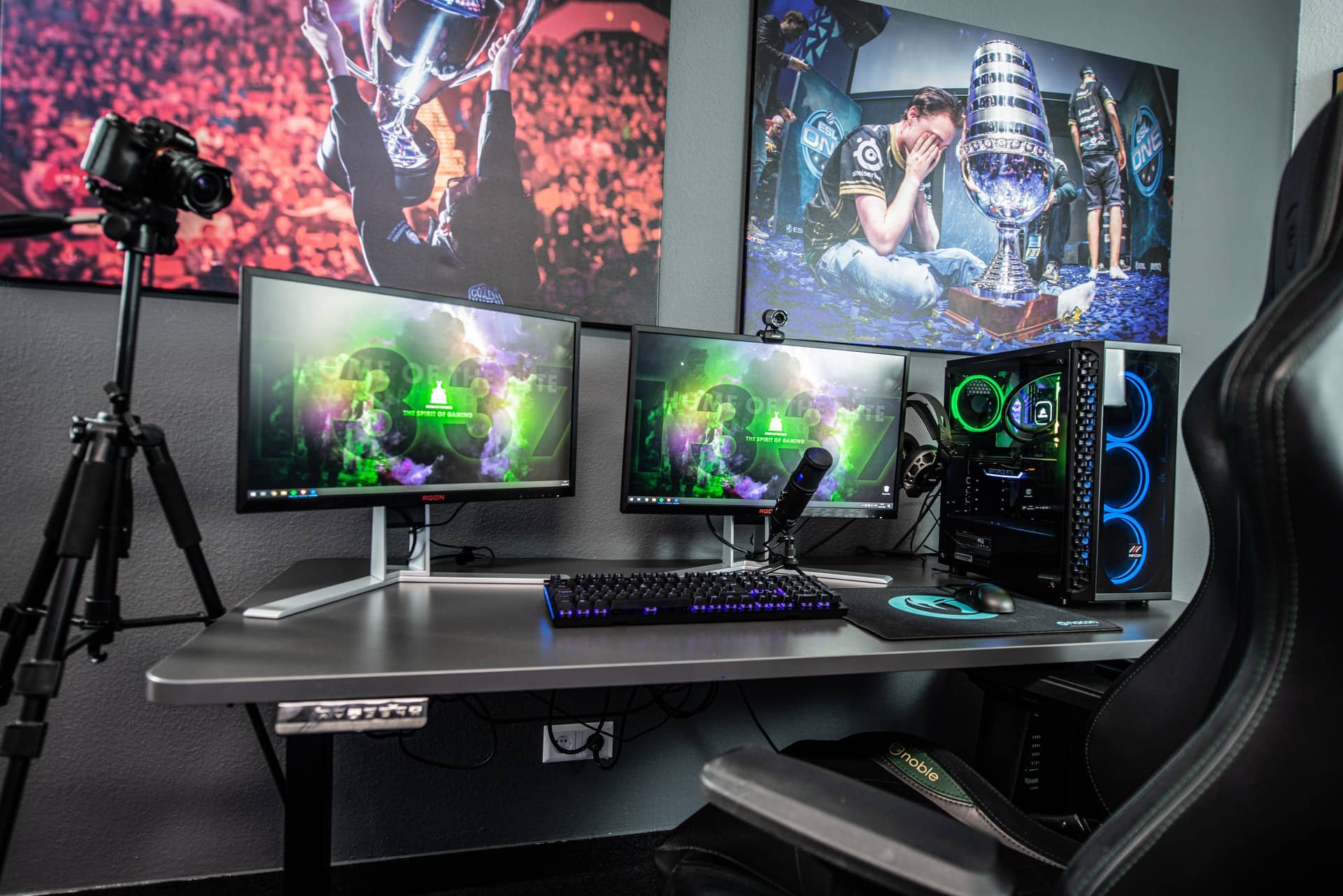
Ever feel like you're navigating a digital Wild West when you jump into your favorite online game? From disruptive players to outright toxic behavior, keeping the peace in gaming communities is a constant challenge. But what if there were strategies that could help strike a better balance, fostering a more enjoyable and inclusive environment for everyone?
The reality of online gaming often clashes with the ideal. Many gamers experience harassment, unfair play, and a general sense of unease due to inadequate moderation. This can lead to frustration, a decline in player engagement, and ultimately, a tarnished reputation for the game itself.
This article delves into the crucial topic of gaming moderation techniques, exploring various balanced strategies that can transform online gaming environments. We'll examine methods for fostering positive communities, addressing toxic behavior effectively, and ensuring fair play for all participants.
In the following sections, we'll unravel the complexities of effective gaming moderation, covering everything from proactive community building and reactive intervention strategies to specific examples and best practices. Get ready to level up your understanding of how to create more welcoming and thriving online gaming experiences through balanced moderation.
Understanding Community Guidelines
Community guidelines are the bedrock of any well-moderated gaming environment. They set the expectations for player behavior and provide a framework for addressing violations. I remember one time when I was playing an MMO, and a new player was constantly spamming the chat with offensive language. It immediately created a hostile atmosphere and drove away several other players. Luckily, the game had clearly defined community guidelines, and active moderators quickly stepped in to address the situation. The clarity of those rules, and the swift action taken, ultimately restored order and reinforced the standards for acceptable behavior.
Creating effective community guidelines involves defining acceptable and unacceptable behaviors. These guidelines should be comprehensive, covering aspects such as harassment, hate speech, cheating, and spamming. It's not enough to simply list the rules; they must be easily accessible and understandable to all players. Regular reviews and updates are essential to keep the guidelines relevant and adapt to evolving community dynamics and emerging forms of toxic behavior. Consistent enforcement of these guidelines is paramount. A lack of enforcement signals that the rules are not taken seriously, which can erode trust and undermine the entire moderation system. Effective moderation teams will consistently apply the rules, issuing warnings, temporary bans, or permanent bans as appropriate. By fostering an environment where players understand the rules and see them consistently enforced, we can build safer and more welcoming gaming spaces for everyone.
Proactive vs. Reactive Moderation
Proactive moderation involves taking steps to prevent problems before they arise, while reactive moderation deals with addressing issues after they have already occurred. Both approaches are essential for creating a balanced and effective moderation strategy. Proactive measures might include onboarding new players with tutorials on community guidelines, using AI-powered tools to flag potentially harmful content, and fostering a culture of positive interaction through community events and rewards. This approach aims to shape the community's behavior from the outset, setting a tone of respect and inclusivity. Reactive moderation, on the other hand, comes into play when violations of the community guidelines occur.
Reactive moderation requires clear processes for reporting incidents, investigating claims, and issuing appropriate penalties. This can involve human moderators reviewing reports, analyzing evidence, and making judgments based on the severity of the offense. It's important to have clear and consistent policies for handling different types of violations, ensuring fairness and transparency. While proactive moderation can reduce the frequency of incidents, reactive measures are crucial for addressing those that do occur and maintaining the integrity of the community. Effective moderation teams often blend both approaches, using proactive measures to minimize problems and reactive strategies to address them effectively when they arise.
The History and Myth of Moderation
The history of gaming moderation is intertwined with the evolution of online gaming itself. In the early days of online multiplayer games, moderation was often informal and community-driven. Players would self-regulate, calling out bad behavior and informally policing the environment. As gaming communities grew larger and more complex, the need for formal moderation became apparent. Game developers began to implement systems for reporting players, appointing community managers, and employing moderators to enforce rules and address violations. This shift marked a transition from decentralized self-regulation to centralized control.
One common myth is that moderation can eliminate all toxicity from online gaming. While effective moderation can significantly reduce toxic behavior, it's impossible to eliminate it entirely. Human nature, anonymity, and the competitive nature of gaming all contribute to the potential for negative interactions. The goal of moderation is not to create a perfectly utopian environment but to create a space where players feel safe, respected, and able to enjoy the game without being subjected to excessive harassment or abuse. The reality is that moderation is an ongoing process that requires constant vigilance, adaptation, and a commitment to fostering a positive community culture.
Unlocking the Secrets of Effective Moderation
One hidden secret of effective gaming moderation is understanding the psychology behind player behavior. By understanding the motivations and triggers that lead to toxic behavior, moderators can develop more effective strategies for prevention and intervention. For example, some players engage in disruptive behavior as a way to seek attention, while others may be reacting to frustration or perceived unfairness. By recognizing these underlying drivers, moderators can tailor their responses accordingly.
Another key is to empower the community to participate in moderation. This can involve creating systems for players to report incidents easily, training trusted community members to serve as volunteer moderators, and providing opportunities for players to provide feedback on the moderation process. When players feel like they have a stake in maintaining a positive community environment, they are more likely to take ownership and contribute to the solution. Ultimately, the most effective moderation strategies are those that are transparent, fair, and responsive to the needs of the community.
Recommendations for Balanced Moderation Strategies
When it comes to implementing balanced gaming moderation strategies, there are several key recommendations to keep in mind. Firstly, it's essential to develop clear and comprehensive community guidelines that set expectations for player behavior. These guidelines should be easily accessible and understandable to all players. Secondly, invest in training moderators to effectively enforce the guidelines. Moderators should be equipped with the skills and knowledge to handle a variety of situations, from simple violations to complex disputes. Thirdly, use a combination of proactive and reactive moderation techniques.
Implement proactive measures to prevent problems before they arise, and have reactive processes in place to address issues when they do occur. Fourthly, empower the community to participate in moderation. Provide players with the tools to report incidents, and consider training trusted community members to serve as volunteer moderators. Finally, regularly review and update your moderation strategies to ensure they remain effective and relevant. The gaming landscape is constantly evolving, so it's essential to adapt your moderation practices to keep pace with new trends and challenges. By following these recommendations, you can create a more balanced and positive gaming environment for everyone.
Using Automation and AI in Moderation
Automation and Artificial Intelligence (AI) are rapidly transforming the landscape of gaming moderation. AI-powered tools can analyze chat logs, voice communications, and gameplay data to identify potentially harmful content and behaviors. This can help moderators to quickly detect and address violations of community guidelines, reducing the workload on human moderators and improving the speed of response. For example, AI algorithms can be trained to identify hate speech, harassment, and other forms of toxic language in real-time.
These tools can also be used to detect cheating and other forms of unfair play, helping to maintain a fair and competitive gaming environment. However, it's important to recognize that AI is not a perfect solution. AI algorithms can sometimes make mistakes, flagging legitimate content as harmful or failing to detect subtle forms of abuse. It's essential to use AI in conjunction with human moderation, with human moderators reviewing and validating the AI's findings. By combining the speed and efficiency of AI with the judgment and empathy of human moderators, we can create more effective and balanced moderation systems.
Tips for Effective Gaming Moderation
Effective gaming moderation requires a blend of technical skills, communication skills, and a deep understanding of the gaming community. One crucial tip is to be transparent and communicative with players. Explain the rules clearly, and be open about the moderation process. When players understand why certain actions are being taken, they are more likely to accept them. Another important tip is to be fair and consistent in your enforcement of the rules. Treat all players equally, regardless of their status or popularity within the community. Avoid playing favorites or making exceptions for certain individuals.
Be responsive to player feedback. Solicit input from the community on the moderation process, and be willing to make changes based on their suggestions. Players often have valuable insights into the community dynamics and can help you identify areas for improvement. Be proactive in preventing problems. Don't wait for incidents to occur before taking action. Implement measures to foster a positive community culture and address potential issues before they escalate. Foster empathy and understanding. Try to see things from the perspective of different players, and be mindful of the impact your actions can have on others. Gaming moderation is not just about enforcing rules; it's about building a community where everyone feels safe, respected, and valued.
The Importance of Training Moderators
Proper training is essential for equipping moderators with the skills and knowledge they need to effectively perform their duties. Training programs should cover topics such as community guidelines, conflict resolution, communication skills, and the use of moderation tools. Moderators should learn how to identify different types of violations, how to investigate claims, and how to issue appropriate penalties. They should also be trained on how to handle difficult situations, such as dealing with abusive or aggressive players. In addition to technical skills, training should also focus on developing moderators' empathy and understanding.
Moderators should be taught how to see things from the perspective of different players and how to communicate in a way that is respectful and constructive. Regular refresher training is also important to ensure that moderators stay up-to-date on the latest trends and best practices. The gaming landscape is constantly evolving, so it's essential for moderators to continuously learn and adapt. Effective training programs can help to create a team of skilled and confident moderators who are able to effectively manage the gaming community and foster a positive environment for everyone.
Fun Facts About Gaming Moderation
Did you know that some gaming companies employ entire teams of moderators who work around the clock to keep their online communities safe? The scale of moderation efforts can be immense, especially for popular games with large player bases. Another interesting fact is that many moderators are actually volunteers from the community. These dedicated individuals donate their time and energy to help maintain a positive environment for their fellow players. Their passion for the game and their commitment to the community make them invaluable assets to the moderation team.
Moderation is not just about banning bad players; it's also about fostering a positive community culture. Moderators often organize events, create content, and engage with players in order to build relationships and promote a sense of belonging. These efforts can help to create a more welcoming and inclusive environment for all players. The history of gaming moderation is filled with creative and innovative solutions to challenging problems. From the early days of self-regulation to the sophisticated AI-powered tools of today, moderation has constantly evolved to meet the changing needs of the gaming community.
How to Implement Effective Moderation
Implementing effective moderation involves a multi-faceted approach that combines clear guidelines, skilled moderators, and robust tools. Start by developing comprehensive community guidelines that clearly define acceptable and unacceptable behaviors. These guidelines should be easily accessible and understandable to all players. Next, recruit and train a team of dedicated moderators who are passionate about the game and committed to fostering a positive community environment. Moderators should be equipped with the skills and knowledge to handle a variety of situations, from simple violations to complex disputes. Implement tools for players to report incidents easily and for moderators to investigate claims and issue penalties.
Use a combination of manual and automated moderation techniques. Automated tools can help to detect and flag potentially harmful content, while human moderators can provide the judgment and empathy needed to handle more complex situations. Regularly review and update your moderation strategies to ensure they remain effective and relevant. The gaming landscape is constantly evolving, so it's essential to adapt your moderation practices to keep pace with new trends and challenges. Foster a culture of transparency and communication. Explain the rules clearly, and be open about the moderation process. By following these steps, you can create a moderation system that is both effective and fair, helping to build a positive and thriving gaming community.
What If Gaming Moderation Fails?
If gaming moderation fails, the consequences can be significant. A poorly moderated gaming environment can quickly become a breeding ground for toxic behavior, harassment, and cheating. This can drive away players, damage the game's reputation, and ultimately lead to its decline. When players feel unsafe or unwelcome, they are less likely to engage with the game and its community. This can result in a decrease in player activity, a decline in revenue, and a loss of community support.
A lack of effective moderation can also create a legal liability for the game developer or publisher. If a player is harmed as a result of another player's actions within the game, the developer or publisher could be held liable for failing to provide a safe environment. It's crucial to invest in effective moderation to protect players, preserve the game's reputation, and mitigate legal risks. Effective moderation is not just about enforcing rules; it's about creating a community where everyone feels safe, respected, and able to enjoy the game without being subjected to harassment or abuse. A well-moderated gaming environment can foster positive interactions, build lasting friendships, and enhance the overall gaming experience.
Listicle: Top 5 Gaming Moderation Mistakes
1. Unclear Community Guidelines: Without clearly defined rules, players are left to their own interpretation of acceptable behavior, leading to confusion and inconsistency.
2. Inconsistent Enforcement: Failing to consistently enforce community guidelines creates a perception of unfairness and undermines the credibility of the moderation system.
3. Lack of Moderator Training: Untrained moderators may be ill-equipped to handle complex situations, leading to ineffective or even harmful interventions.
4. Ignoring Player Feedback: Dismissing player feedback can lead to resentment and a sense that the moderation team is out of touch with the community's needs.
5. Relying Solely on Automation: While automation can be helpful, relying solely on AI-powered tools without human oversight can result in errors and a lack of empathy.
Avoiding these common mistakes is essential for creating a balanced and effective gaming moderation strategy.
Question and Answer Section:
Q: What are the key elements of effective community guidelines?
A: Effective community guidelines should be clear, comprehensive, and easily accessible to all players. They should define acceptable and unacceptable behaviors and provide examples to illustrate the rules. Regular reviews and updates are essential to keep the guidelines relevant and adapt to evolving community dynamics.
Q: How can I balance proactive and reactive moderation?
A: Proactive moderation involves taking steps to prevent problems before they arise, such as onboarding new players with tutorials on community guidelines and fostering a culture of positive interaction. Reactive moderation deals with addressing issues after they have already occurred, such as investigating reports of violations and issuing penalties.
Q: What role does automation play in gaming moderation?
A: Automation can help to detect and flag potentially harmful content, such as hate speech and harassment. However, it's important to use automation in conjunction with human moderation, with human moderators reviewing and validating the AI's findings.
Q: How can I empower the community to participate in moderation?
A: You can empower the community by creating systems for players to report incidents easily, training trusted community members to serve as volunteer moderators, and providing opportunities for players to provide feedback on the moderation process.
Conclusion of Gaming Moderation Techniques: Balanced Gaming Strategies
Ultimately, successful gaming moderation is about creating a positive and inclusive environment where all players feel safe, respected, and able to enjoy the game. By implementing clear guidelines, training skilled moderators, and utilizing a combination of proactive and reactive strategies, game developers can foster thriving communities that are both fun and welcoming. Embracing these balanced approaches not only enhances the player experience but also safeguards the long-term health and vitality of the game itself.
Post a Comment