Gaming Occupational Therapy: Games for Daily Living Skills
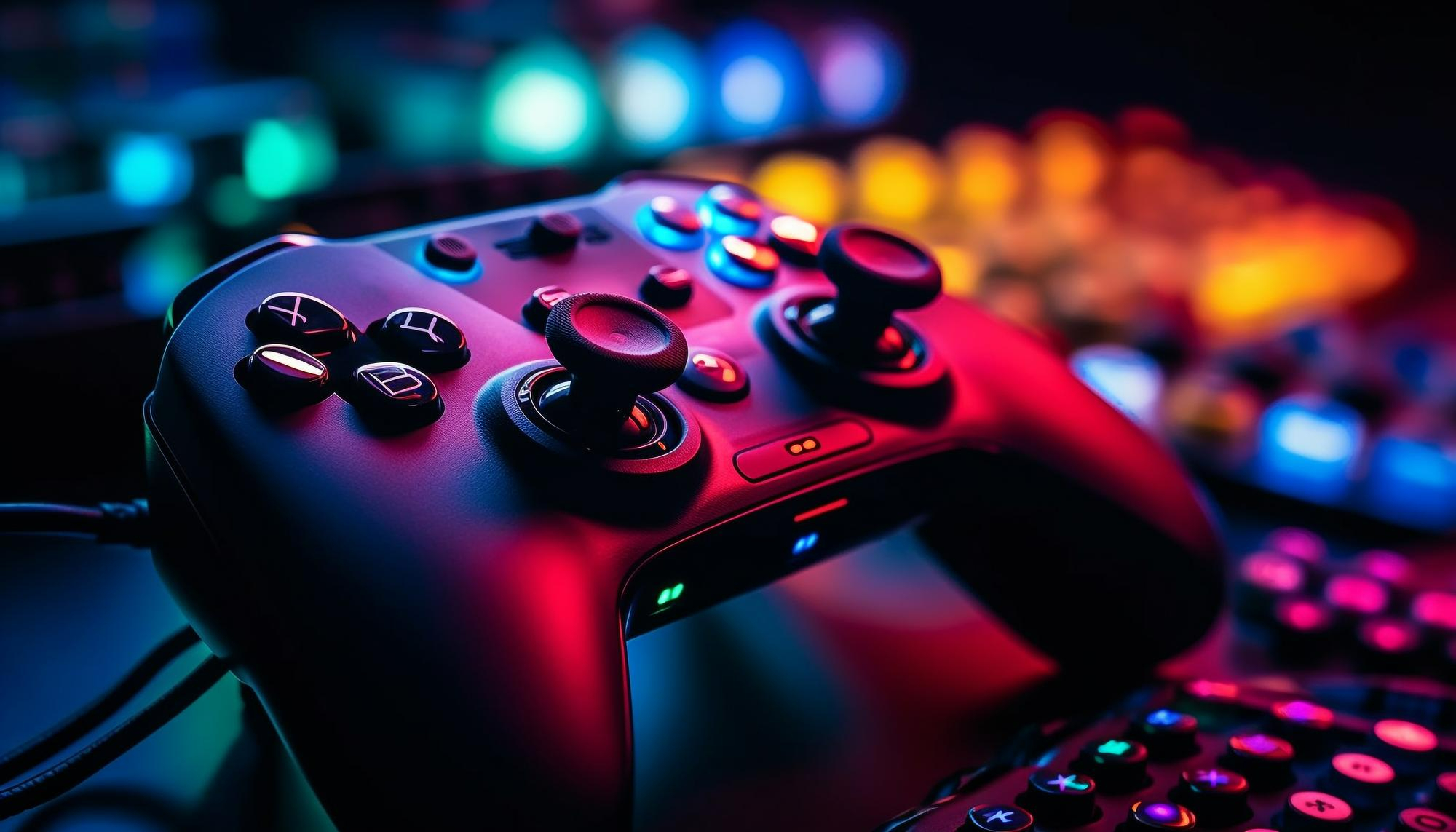
Imagine a world where learning essential life skills feels less like a chore and more like an adventure. What if everyday tasks, like remembering to take medication or planning a grocery trip, could be transformed into engaging games? That's the exciting potential of using video games in occupational therapy – a playful approach to improving daily living skills.
For many, mastering daily routines can be a real hurdle. Challenges arise from difficulties with memory, attention, or even physical limitations. The thought of organizing finances or navigating public transportation can be overwhelming, leading to avoidance and decreased independence. Traditional methods of teaching these skills can sometimes feel dry and uninspired, making it difficult to maintain motivation and engagement.
The goal of gaming occupational therapy is to bridge this gap, offering a dynamic and motivating way to enhance the skills needed for independent living. By incorporating video games into therapy sessions, occupational therapists can help individuals develop cognitive, physical, and emotional skills in a fun and engaging environment.
This article explores the innovative use of video games in occupational therapy to improve daily living skills. We will delve into how games can target specific challenges, the history and myths surrounding this approach, and practical tips for integrating gaming into therapy. We'll also look at some fun facts and answer common questions about this exciting field.
Unlocking Potential Through Play: A Personal Connection
I remember working with a young adult, Sarah, who struggled with executive functioning skills after a traumatic brain injury. She had difficulty planning meals, managing her finances, and remembering appointments. Traditional therapy exercises felt tedious to her, and she often became frustrated and withdrawn. One day, I decided to try a different approach. I introduced her to a simulation game where she had to manage a virtual household, including budgeting, grocery shopping, and scheduling activities. At first, she was hesitant, but as she started playing, her eyes lit up. She was engaged, motivated, and even laughing as she navigated the challenges of her virtual life. Over time, Sarah's performance in the game translated into improved real-world skills. She began to plan her meals, manage her finances more effectively, and remember her appointments with greater consistency. This experience solidified my belief in the power of gaming as a therapeutic tool. Gaming occupational therapy leverages the inherent engagement and motivation that video games provide to target specific skills needed for daily living. By embedding therapeutic goals within the context of a game, individuals are more likely to actively participate, learn, and generalize these skills to real-life situations. Whether it's enhancing cognitive abilities, improving motor skills, or boosting emotional regulation, video games offer a versatile and adaptable platform for occupational therapy interventions. The key is to carefully select games that align with the individual's specific needs and goals, and to use the gaming experience as a springboard for reflection and application to everyday life. This allows for a more personalized and effective therapy process.
What Exactly is Gaming Occupational Therapy?
Gaming occupational therapy uses video games as a therapeutic medium to enhance cognitive, physical, and social-emotional skills essential for daily living. It's not just about playing games for fun; it's about strategically selecting games that target specific areas of need and using the gaming experience to facilitate learning and skill development. The chosen games often simulate real-world scenarios, such as managing a virtual store, cooking a meal, or navigating public transportation. These simulations provide a safe and controlled environment for individuals to practice essential life skills without the pressure and consequences of making mistakes in the real world. For instance, a game that requires players to manage resources and make decisions under pressure can help improve executive functioning skills, such as planning, organization, and problem-solving. Similarly, games that involve repetitive hand movements can help improve fine motor skills and coordination. The beauty of gaming occupational therapy is its adaptability. Therapists can modify game settings, provide real-time feedback, and tailor the experience to meet each individual's unique needs and goals. This personalized approach ensures that the therapy is both engaging and effective. Moreover, gaming occupational therapy can be used to address a wide range of challenges, from cognitive impairments and physical disabilities to mental health conditions and developmental delays. By harnessing the power of play, therapists can help individuals develop the skills they need to live more independent, fulfilling lives. This can include time management, decision making, social skills, and even physical activities like hand-eye coordination.
The History and the Myths
While the formal integration of video games into occupational therapy is relatively recent, the idea of using play as a therapeutic tool has been around for centuries. From traditional board games to interactive toys, play has always been recognized as a powerful way to engage individuals and promote learning. However, the rise of video games in the late 20th century opened up new possibilities for therapeutic interventions. Initially, video games were viewed with skepticism by some in the medical community, with concerns about their potential for addiction and negative impact on physical health. These early perceptions led to several myths surrounding gaming occupational therapy. One common myth is that it's just about "playing games" and lacks a serious therapeutic purpose. Another myth is that it's only suitable for children and adolescents, ignoring the potential benefits for adults and older adults. In reality, gaming occupational therapy is a carefully planned and evidence-based approach that uses specific games and therapeutic techniques to target specific skills. It's not about mindless entertainment; it's about leveraging the engaging nature of games to motivate individuals and facilitate learning. Moreover, gaming occupational therapy can be adapted for people of all ages and abilities. Whether it's helping a child with autism improve social skills or assisting an older adult with cognitive decline, video games can provide a fun and effective way to address a wide range of therapeutic goals. As research continues to demonstrate the benefits of gaming occupational therapy, these myths are gradually being dispelled. The field is gaining increasing recognition as a valuable tool for promoting independence, improving quality of life, and empowering individuals to reach their full potential.
The Hidden Secrets of Gaming Occupational Therapy
One of the biggest secrets of gaming occupational therapy lies in its ability to tap into intrinsic motivation. Unlike traditional therapy exercises, which can sometimes feel like a chore, video games offer an inherently engaging and rewarding experience. This intrinsic motivation can be a powerful catalyst for learning and skill development. When individuals are genuinely enjoying themselves, they are more likely to actively participate, persevere through challenges, and retain information. Another hidden secret is the ability of video games to provide immediate feedback. In many games, players receive instant feedback on their actions, allowing them to quickly learn from their mistakes and adjust their strategies. This immediate feedback loop can be particularly helpful for individuals who struggle with self-regulation or who need clear and consistent cues to guide their behavior. Furthermore, gaming occupational therapy can help improve self-esteem and confidence. As individuals master new skills within a game, they experience a sense of accomplishment that can translate into increased self-belief and motivation in other areas of their lives. This sense of empowerment can be especially valuable for individuals who have experienced setbacks or who struggle with low self-worth. Finally, gaming occupational therapy can promote social interaction and collaboration. Many video games offer multiplayer options, allowing individuals to connect with others and work together towards a common goal. This can be a great way to improve social skills, build relationships, and combat feelings of isolation. The hidden secrets of gaming occupational therapy lie in its ability to harness the power of play to unlock potential, promote engagement, and empower individuals to achieve their goals.
Recommendations for Gaming Occupational Therapy
When considering gaming occupational therapy, it's important to approach it with a thoughtful and personalized plan. First and foremost, consult with a qualified occupational therapist who has experience in using video games as a therapeutic tool. They can assess your specific needs and goals and help you select games that are appropriate for your situation. It's not about choosing the flashiest or most popular games; it's about finding games that align with your therapeutic objectives and that you find genuinely engaging. Second, consider the accessibility of the games. Are the controls easy to use? Can the game be adapted to accommodate any physical limitations you may have? Many modern video games offer a range of accessibility options, such as customizable controls, adjustable difficulty levels, and text-to-speech features. Third, think about the social aspects of gaming. Do you prefer to play alone, or would you benefit from playing with others? Multiplayer games can provide opportunities for social interaction and collaboration, but they may also be overwhelming for some individuals. Fourth, be patient and persistent. It may take some time to find the right games and to develop the skills you need to achieve your goals. Don't get discouraged if you don't see results immediately. Just keep practicing and celebrating your small victories along the way. Finally, remember that gaming occupational therapy is just one tool in the toolbox. It should be used in conjunction with other therapeutic interventions, such as traditional therapy exercises, counseling, and medication management. By combining gaming with a comprehensive treatment plan, you can maximize your chances of success and improve your overall quality of life.
The Role of Occupational Therapists
Occupational therapists are the key to successfully implementing gaming occupational therapy. They are trained to assess an individual's functional abilities, identify areas of need, and develop a personalized treatment plan. In the context of gaming occupational therapy, the therapist's role is to select appropriate games, modify game settings, provide real-time feedback, and facilitate reflection on the gaming experience. They also monitor progress, adjust the treatment plan as needed, and ensure that the skills learned in the game are generalized to real-life situations. The occupational therapist doesn't just hand over a game and walk away. They are actively involved in the gaming process, providing guidance, encouragement, and support. They may break down complex tasks into smaller, more manageable steps, or they may offer alternative strategies for overcoming challenges. They also help individuals to identify the specific skills they are developing through gaming and to connect these skills to their daily lives. For example, if someone is playing a game that requires them to manage resources and make decisions under pressure, the therapist might help them to recognize how these skills can be applied to managing their finances or planning their daily schedule. The occupational therapist also plays a crucial role in ensuring that the gaming experience is safe and enjoyable. They monitor for signs of fatigue, frustration, or overstimulation and make adjustments as needed. They also provide education and support to family members or caregivers, helping them to understand the benefits of gaming occupational therapy and to create a supportive environment at home. The expertise of an occupational therapist is essential for maximizing the therapeutic potential of gaming and ensuring that it is used safely and effectively. The therapist acts as a translator of sorts, translating the mechanics of game play into real-world application.
Tips for Integrating Gaming into Therapy
Integrating gaming into therapy requires a thoughtful and strategic approach. Start by conducting a thorough assessment of the individual's skills, interests, and goals. This will help you to identify games that are both engaging and therapeutically relevant. Don't be afraid to experiment with different genres and titles until you find something that resonates with the individual. Once you've selected a game, familiarize yourself with its controls, mechanics, and objectives. This will allow you to provide effective guidance and support during the gaming session. Consider modifying the game settings to make it more accessible and challenging. For example, you can adjust the difficulty level, customize the controls, or enable assistive features like text-to-speech. During the gaming session, observe the individual's behavior and provide real-time feedback. Encourage them to reflect on their actions and to identify strategies for improving their performance. Focus on the process rather than the outcome. The goal is not to win the game, but to develop specific skills and to generalize them to real-life situations. After the gaming session, discuss what was learned and how it can be applied to everyday life. Encourage the individual to set goals for the next session and to track their progress over time. Finally, remember that gaming is just one tool in the therapeutic toolbox. It should be used in conjunction with other interventions, such as traditional therapy exercises, counseling, and medication management. By combining gaming with a comprehensive treatment plan, you can maximize the individual's chances of success and help them to achieve their full potential. It's also important to remember to make it fun! If it feels like work, the therapeutic benefits will be greatly reduced.
Potential Challenges and Solutions
While gaming occupational therapy offers many benefits, it's important to be aware of potential challenges and to develop strategies for addressing them. One common challenge is game addiction. It's important to set clear boundaries and to monitor the individual's gaming behavior to ensure that it doesn't become excessive or interfere with other important activities. Another challenge is motion sickness. Some individuals may experience nausea or dizziness when playing certain types of video games, particularly those with fast-paced action or first-person perspectives. To minimize motion sickness, try playing games in a well-ventilated room, taking frequent breaks, and adjusting the game settings to reduce motion blur and camera shake. A third challenge is frustration. Some games can be difficult or confusing, leading to frustration and discouragement. To address this, break down complex tasks into smaller, more manageable steps, provide clear instructions and guidance, and offer encouragement and support. Another challenge is physical discomfort. Playing video games for extended periods of time can lead to eye strain, neck pain, and carpal tunnel syndrome. To minimize physical discomfort, take frequent breaks, maintain good posture, and use ergonomic equipment such as a comfortable chair, a supportive keyboard, and a well-positioned monitor. Finally, it's important to be aware of potential social challenges. Some individuals may feel isolated or embarrassed about playing video games, particularly if they are older adults or if they have physical or cognitive limitations. To address this, create a supportive and inclusive environment where everyone feels welcome and respected. Encourage social interaction and collaboration, and celebrate successes together. By anticipating and addressing these potential challenges, you can ensure that gaming occupational therapy is a safe, enjoyable, and effective experience for everyone involved.
Fun Facts About Gaming Occupational Therapy
Did you know that the Nintendo Wii was initially marketed as a family-friendly console that could improve physical fitness? Its motion-sensing technology made it a natural fit for occupational therapy, allowing therapists to create engaging exercises that targeted specific motor skills. Another fun fact is that some video games have been specifically designed for therapeutic purposes. For example, "Constant Therapy" is a mobile app that provides personalized cognitive exercises for individuals recovering from stroke or traumatic brain injury. These exercises are designed to improve attention, memory, language, and other cognitive functions. Gaming occupational therapy isn't just for children and adults. It can also be used with older adults to improve cognitive function, maintain physical mobility, and enhance social engagement. Studies have shown that playing video games can help older adults improve their memory, attention, and problem-solving skills. Video games can also be used to help individuals with autism spectrum disorder improve their social skills. Games that involve cooperative play or role-playing can provide opportunities for individuals with autism to practice social interaction in a safe and controlled environment. Gaming occupational therapy is a growing field, with new research and innovations emerging all the time. As technology continues to evolve, we can expect to see even more creative and effective ways of using video games to improve health and well-being. The use of virtual reality is also on the rise, creating more immersive and interactive therapeutic experiences. These technologies are pushing the boundaries of what's possible in the field of rehabilitation and therapy.
How to Get Started with Gaming Occupational Therapy
Getting started with gaming occupational therapy involves a few key steps. First, seek out a qualified occupational therapist who has experience in this area. You can find a therapist by searching online directories, asking your primary care physician for a referral, or contacting your local occupational therapy association. Once you've found a therapist, schedule an initial consultation to discuss your needs and goals. The therapist will conduct an assessment to evaluate your functional abilities and identify areas where gaming could be beneficial. During the consultation, be sure to ask about the therapist's experience with gaming occupational therapy, their approach to game selection, and their methods for monitoring progress. After the assessment, the therapist will develop a personalized treatment plan that includes specific games and therapeutic activities. They will also provide guidance and support throughout the gaming process, helping you to learn new skills and generalize them to real-life situations. It's important to actively participate in the treatment planning process and to communicate your preferences and concerns to the therapist. The more involved you are in the process, the more likely you are to achieve your goals. If you're unable to find a therapist who specializes in gaming occupational therapy, you can still incorporate gaming into your existing therapy program. Talk to your therapist about your interest in gaming and ask them to help you select games that align with your therapeutic goals. You can also research online resources and connect with other individuals who are using gaming for therapeutic purposes. With a little creativity and perseverance, you can find ways to harness the power of play to improve your health and well-being.
What If Gaming Occupational Therapy Doesn't Work?
It's important to acknowledge that gaming occupational therapy, like any therapeutic intervention, may not be effective for everyone. There are several factors that can influence its success, including the individual's motivation, cognitive abilities, physical limitations, and the specific games that are chosen. If you've tried gaming occupational therapy and haven't seen the results you were hoping for, don't get discouraged. There are many other therapeutic options available, and it's important to work with your therapist to find an approach that works best for you. Consider exploring alternative therapies such as traditional occupational therapy exercises, cognitive behavioral therapy, assistive technology, or medication management. It's also possible that the games you were using weren't the right fit for your needs. Talk to your therapist about trying different genres or titles, or about modifying the game settings to make them more accessible and challenging. It's also important to be realistic about your expectations. Gaming occupational therapy is not a magic bullet, and it may take time to see significant improvements. Be patient with yourself and celebrate your small victories along the way. Finally, if you're feeling frustrated or discouraged, don't hesitate to seek support from friends, family members, or a support group. Talking to others who have gone through similar experiences can be incredibly helpful. Remember, the goal of therapy is to improve your overall well-being and quality of life. If gaming occupational therapy isn't working for you, it's okay to explore other options until you find something that does.
List of Games for Gaming Occupational Therapy
There are countless video games that can be used for gaming occupational therapy, depending on the individual's needs and goals. Here's a list of some popular and versatile options:
- Brain Age: This series of games focuses on cognitive training, with exercises designed to improve memory, attention, and problem-solving skills.
- Lumosity: This online platform offers a variety of brain-training games that target different cognitive functions.
- Minecraft: This sandbox game allows players to build and create anything they can imagine, promoting creativity, problem-solving, and spatial reasoning.
- Cooking Mama: This game simulates the experience of cooking, helping players to develop fine motor skills, sequencing abilities, and attention to detail.
- Kinect Adventures: This game uses motion-sensing technology to engage players in physical activities such as jumping, dodging, and running, improving gross motor skills and coordination.
- Wii Sports: This game offers a variety of sports simulations, such as bowling, tennis, and golf, providing opportunities for physical activity and social interaction.
- Super Mario Odyssey: This platformer game requires players to navigate complex environments, solve puzzles, and collect items, promoting spatial reasoning, problem-solving, and fine motor skills.
- Animal Crossing: New Horizons: This simulation game allows players to create and manage their own virtual island, promoting creativity, social interaction, and executive functioning skills.
- Just Dance: This game encourages players to dance along to popular songs, improving gross motor skills, coordination, and rhythm.
- Rocksmith: This game teaches players how to play the guitar or bass, improving fine motor skills, hand-eye coordination, and musical abilities.
This list is just a starting point, and there are many other games that can be used for gaming occupational therapy. The key is to select games that are engaging, therapeutically relevant, and appropriate for the individual's skill level and interests. Remember to always consult with a qualified occupational therapist before incorporating gaming into your therapy program.
Question and Answer
Here are some frequently asked questions about gaming occupational therapy:
Q: Is gaming occupational therapy suitable for all ages?
A: Yes, gaming occupational therapy can be adapted for individuals of all ages, from children to older adults. The key is to select games and activities that are appropriate for the individual's age, skill level, and interests.
Q: What types of conditions can gaming occupational therapy help with?
A: Gaming occupational therapy can be used to address a wide range of conditions, including cognitive impairments, physical disabilities, mental health conditions, and developmental delays.
Q: How do I find a qualified gaming occupational therapist?
A: You can find a therapist by searching online directories, asking your primary care physician for a referral, or contacting your local occupational therapy association.
Q: How much does gaming occupational therapy cost?
A: The cost of gaming occupational therapy varies depending on the therapist, the location, and the length of the treatment program. Contact individual therapists for pricing information.
Conclusion of Gaming Occupational Therapy: Games for Daily Living Skills
Gaming occupational therapy is an innovative and promising approach to improving daily living skills for individuals of all ages and abilities. By harnessing the power of play, therapists can engage individuals in a fun and motivating way, helping them to develop essential cognitive, physical, and social-emotional skills. While gaming occupational therapy may not be a magic bullet, it can be a valuable tool in the therapeutic toolbox, particularly when combined with other interventions. As technology continues to evolve, we can expect to see even more creative and effective ways of using video games to improve health and well-being. So, embrace the potential of play, and let the games begin!
Post a Comment