Gaming Panic Attacks: When Gaming Triggers Anxiety
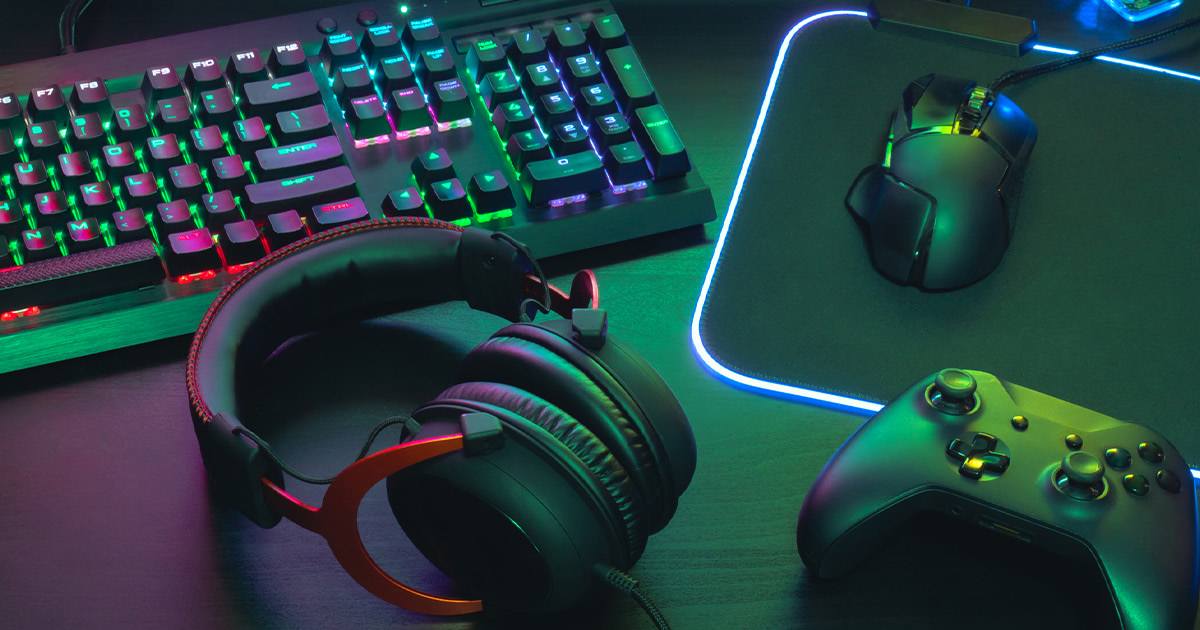
Imagine you're in the middle of an intense boss battle. Your heart is pounding, palms are sweating, and then... something shifts. It's not just excitement; it's a wave of overwhelming anxiety that threatens to pull you under. You're not alone. Gaming, a beloved pastime for millions, can sometimes trigger unexpected panic attacks.
Many gamers find themselves caught in a cycle of wanting to enjoy their favorite games but fearing the overwhelming anxiety that might accompany them. This fear can lead to avoidance, frustration, and a sense of isolation, especially when gaming is a primary way to connect with friends and unwind. The pressure to perform well, the intensity of certain game scenarios, and even the social aspects of online gaming can all contribute to this unsettling experience.
This article aims to shed light on the phenomenon of gaming-induced panic attacks. We'll explore the potential causes, triggers, and coping mechanisms to help you understand and manage anxiety related to gaming. Our goal is to help you regain control and enjoy gaming without the fear of panic looming over your shoulder.
We'll delve into the potential triggers behind gaming panic attacks, dissecting how factors like competitive pressure, intense game scenarios, and social interactions can contribute to anxiety. You'll learn practical strategies for recognizing the early signs of a panic attack, implementing relaxation techniques, and adjusting your gaming habits to minimize stress. Ultimately, the aim is to empower you to take control of your gaming experience and reclaim your enjoyment.
Personal Experience with Gaming Anxiety
I remember vividly a time when I was heavily invested in a competitive online shooter. I was striving to climb the ranks, constantly pushing myself to improve. At first, the challenge was exhilarating, but gradually, a sense of dread started to creep in before each match. The pressure to perform well, the fear of letting my team down, and the toxic communication from some players created a perfect storm of anxiety. It started with a racing heart and sweaty palms, but eventually escalated into full-blown panic attacks. My vision would blur, my chest would tighten, and I would feel completely detached from reality. Gaming, once a source of joy, became a source of intense fear and avoidance. I realized I needed to step back and re-evaluate my relationship with gaming. I started focusing on single-player games, practicing mindfulness, and setting realistic goals for myself. Over time, I was able to reintroduce competitive gaming in a healthier way, but it took conscious effort and a commitment to prioritizing my mental well-being.
Gaming anxiety isn't always about a specific game, it can be about a situation that develops in that game. As the gaming industry continues to grow and expand, the range of experiences it offers expands along with it. This can include an increase in gaming anxiety, due to an increase in competitive or immersive experiences. The increase in competitive games can create stressful environments which can trigger anxiety. The increase in immersive games can blur the lines of reality for people and trigger anxiety. Whether it is a competitive game or an immersive one, it is important to recognize when you are experiencing the symptoms of gaming anxiety.
What is a Gaming Panic Attack?
A gaming panic attack is essentially a sudden episode of intense fear or discomfort that is triggered by gaming or related situations. While the experience is similar to a panic attack triggered by other stressors, the context is specifically linked to gaming. Symptoms can include a racing heart, shortness of breath, sweating, trembling, dizziness, nausea, and a feeling of detachment from reality. The intensity of these symptoms can be overwhelming and can lead to a fear of future panic attacks. It's crucial to differentiate between normal excitement or frustration during a game and the debilitating symptoms of a panic attack.
It's important to recognize the distinction between simple excitement or frustration during a game and a full-blown panic attack. When panic attacks happen, it can be debilitating. It may take a long time to recover from the experience of a panic attack. Panic attacks are a mental health concern and must be taken seriously.
History and Myths of Gaming Panic Attacks
The concept of gaming-induced panic attacks is relatively new, evolving alongside the increasing popularity and intensity of video games. Historically, anxiety related to gaming was often dismissed as simple frustration or "gamer rage." However, as gaming becomes more competitive and integrated into our social lives, the potential for anxiety and panic attacks has become more apparent. One common myth is that gaming panic attacks are a sign of weakness or lack of skill. This is simply untrue. Panic attacks are a physiological response to perceived threat or stress, and anyone can experience them, regardless of their gaming ability.
Another myth is that simply quitting the game will solve the problem. While taking breaks and limiting exposure to stressful games can be helpful, addressing the underlying anxiety is crucial for long-term well-being. It's also important to remember that gaming can be a healthy and enjoyable hobby when approached with awareness and balance. Understanding the history of this condition and dispelling these myths can help individuals feel less ashamed and more empowered to seek help.
Hidden Secrets of Gaming Panic Attacks
One of the hidden secrets of gaming panic attacks is that they're often linked to underlying anxiety disorders or unresolved stress in other areas of life. Gaming can act as a trigger, but the root cause may lie deeper. Another secret is the power of self-awareness. Recognizing your personal triggers and early warning signs can be a game-changer. This might involve identifying specific game types, competitive scenarios, or even certain times of day when you're more susceptible to anxiety. Furthermore, many people are hesitant to talk about their gaming anxiety, fearing judgment or ridicule. This silence can perpetuate the problem and prevent individuals from seeking the support they need.
Breaking the silence and sharing your experiences can be incredibly empowering. When we open up, we realize we're not alone and can learn from each other. It is important to share the potential issues that gaming anxiety and gaming panic attacks can cause. Gaming is an entertaining activity, but can be a source of anxiety for some people.
Recommendations for Dealing with Gaming Panic Attacks
If you suspect you're experiencing gaming panic attacks, the first recommendation is to acknowledge and validate your feelings. Don't dismiss them as "just stress" or "being dramatic." Next, take a break from gaming and focus on self-care. Engage in activities that help you relax and de-stress, such as meditation, yoga, spending time in nature, or listening to calming music. Consider adjusting your gaming habits. This might involve playing less competitive games, setting time limits, or avoiding gaming when you're already feeling stressed. Learning relaxation techniques, such as deep breathing exercises and progressive muscle relaxation, can be incredibly helpful in managing anxiety symptoms.
For more severe or persistent panic attacks, seeking professional help from a therapist or counselor is highly recommended. They can help you identify the underlying causes of your anxiety and develop coping strategies tailored to your specific needs. It's also important to be mindful of your overall well-being. Ensure you're getting enough sleep, eating a healthy diet, and exercising regularly. These lifestyle factors can have a significant impact on your mental health and resilience to stress.
Recognizing the Early Signs of a Panic Attack
Being able to identify the early signs of a panic attack is crucial for managing them effectively. These signs can vary from person to person, but common indicators include a racing heart, rapid breathing, sweating, trembling, a feeling of impending doom, dizziness, and nausea. Pay attention to your body and mind during and after gaming sessions. Do you notice any patterns or triggers that seem to precede these symptoms? For example, do you feel more anxious when playing ranked matches or when communicating with certain players? Once you become aware of your personal warning signs, you can take proactive steps to prevent a full-blown panic attack. This might involve pausing the game, taking a few deep breaths, or stepping away from the screen entirely.
Early recognition is key to mitigating and preventing potential panic attacks. The more you are aware, the more prepared you will be when panic attacks start to creep up on you during an intense gaming experience.
Tips for Managing Gaming Anxiety
One of the most effective tips for managing gaming anxiety is to prioritize self-care. Ensure you're getting enough sleep, eating a balanced diet, and engaging in regular exercise. These lifestyle factors can significantly impact your mood and resilience to stress. Set realistic goals for your gaming sessions. Don't put too much pressure on yourself to perform well or climb the ranks. Remember that gaming is supposed to be enjoyable, so focus on having fun and learning new skills. Practice mindfulness and meditation to calm your mind and reduce anxiety. There are numerous apps and online resources that can guide you through these practices.
Consider adjusting your gaming environment to minimize distractions and create a more relaxing atmosphere. This might involve dimming the lights, listening to calming music, or using blue light filters to reduce eye strain. Communicate with your friends and teammates about your anxiety. Let them know that you might need to take breaks or adjust your playstyle. Having a supportive social network can make a big difference in managing your anxiety. Remember that it's okay to take a break from gaming entirely if you need to. There's no shame in prioritizing your mental health.
The Role of Social Interactions in Gaming Anxiety
Social interactions within gaming communities can be a double-edged sword. On one hand, they can provide a sense of belonging, camaraderie, and support. On the other hand, they can also contribute to anxiety and stress. Toxic communication, cyberbullying, and the pressure to conform to certain social norms can all trigger anxiety. Be mindful of the online communities you participate in and choose them wisely. Surround yourself with positive and supportive players who value respect and inclusivity. Don't be afraid to mute or block players who are being abusive or toxic. Remember that you have the right to create a safe and positive gaming environment for yourself.
Communicate your boundaries and expectations clearly. If you're feeling overwhelmed or uncomfortable, don't hesitate to speak up or take a break. It's also important to remember that not everyone online is who they claim to be. Be cautious about sharing personal information and avoid getting involved in drama or conflicts. Prioritize your mental well-being over maintaining online relationships that are causing you stress.
Fun Facts About Gaming and Anxiety
Did you know that certain types of games are more likely to trigger anxiety than others? Competitive games, especially those with ranked systems, often create a higher level of pressure and stress. Horror games, with their jump scares and unsettling atmosphere, can also be triggering for some individuals. Conversely, puzzle games and relaxing simulation games can actually help reduce anxiety and promote relaxation. Research has shown that gaming can have both positive and negative effects on mental health, depending on the individual and the type of game being played. Some studies have found that gaming can improve cognitive skills, problem-solving abilities, and hand-eye coordination. However, excessive gaming or gaming in a negative environment can lead to anxiety, depression, and social isolation.
Interestingly, many professional esports players struggle with anxiety and stress due to the intense pressure to perform well and the demands of competitive gaming. They often rely on mental health professionals and performance coaches to help them manage their anxiety and maintain their well-being. These facts highlight the complex relationship between gaming and mental health, emphasizing the importance of awareness, balance, and self-care.
How to Prevent Gaming Panic Attacks
Preventing gaming panic attacks involves a multi-faceted approach that addresses both your gaming habits and your overall well-being. Start by identifying your triggers. What specific game types, scenarios, or social interactions tend to precede your anxiety? Once you know your triggers, you can take steps to avoid or minimize them. Set realistic goals for your gaming sessions and don't put too much pressure on yourself to perform well. Remember that gaming is supposed to be enjoyable, so focus on having fun and learning new skills. Take regular breaks to avoid burnout and fatigue. Step away from the screen, stretch, and engage in other activities that help you relax and recharge.
Practice relaxation techniques, such as deep breathing exercises, progressive muscle relaxation, and mindfulness meditation. These techniques can help you calm your mind and reduce anxiety in the moment. Communicate with your friends and teammates about your anxiety. Let them know that you might need to take breaks or adjust your playstyle. Seek professional help if your panic attacks are severe or persistent. A therapist or counselor can help you identify the underlying causes of your anxiety and develop coping strategies tailored to your specific needs. Prioritize your overall well-being by getting enough sleep, eating a healthy diet, and exercising regularly.
What if Gaming Panic Attacks Persist?
If gaming panic attacks persist despite your best efforts at self-management, it's crucial to seek professional help. Persistent panic attacks can significantly impact your quality of life and may indicate an underlying anxiety disorder. A therapist or counselor can provide a comprehensive assessment and develop a personalized treatment plan. Treatment options may include cognitive behavioral therapy (CBT), which helps you identify and change negative thought patterns and behaviors that contribute to anxiety. Medication may also be prescribed to help manage panic symptoms, especially if they are severe or debilitating. Remember that seeking professional help is a sign of strength, not weakness. It's an investment in your mental health and well-being.
Don't let gaming anxiety control your life. With the right support and treatment, you can regain control and enjoy gaming without the fear of panic looming over your shoulder. There are many solutions for gaming panic attacks. The most important part of finding a solution is acknowledging that there is a problem and working hard to mitigate the potential issues.
Listicle: 5 Ways to Reduce Gaming Anxiety
Here are five actionable steps you can take to reduce gaming anxiety:
- Identify Your Triggers: Pay attention to what specific game types, scenarios, or social interactions tend to precede your anxiety.
- Set Realistic Goals: Don't put too much pressure on yourself to perform well. Focus on having fun and learning new skills.
- Take Regular Breaks: Avoid burnout and fatigue by stepping away from the screen, stretching, and engaging in relaxing activities.
- Practice Relaxation Techniques: Use deep breathing exercises, progressive muscle relaxation, and mindfulness meditation to calm your mind.
- Seek Professional Help: If your panic attacks are severe or persistent, consult a therapist or counselor for personalized treatment.
By implementing these strategies, you can create a healthier and more enjoyable gaming experience for yourself.
Question and Answer About Gaming Panic Attacks
Q: What are the symptoms of a gaming panic attack?
A: Symptoms can include a racing heart, shortness of breath, sweating, trembling, dizziness, nausea, and a feeling of detachment from reality.
Q: What types of games are more likely to trigger anxiety?
A: Competitive games, especially those with ranked systems, and horror games are often more triggering.
Q: How can I prevent gaming panic attacks?
A: Identify your triggers, set realistic goals, take regular breaks, practice relaxation techniques, and seek professional help if needed.
Q: Is it a sign of weakness to experience gaming panic attacks?
A: No, panic attacks are a physiological response to perceived threat or stress, and anyone can experience them, regardless of their gaming ability.
Conclusion of Gaming Panic Attacks: When Gaming Triggers Anxiety
Gaming panic attacks are a real and valid experience that can significantly impact the enjoyment of a beloved hobby. By understanding the potential triggers, recognizing the early signs, and implementing effective coping strategies, you can take control of your anxiety and reclaim your gaming experience. Remember to prioritize self-care, set realistic goals, and seek professional help if needed. With awareness, balance, and support, you can enjoy gaming without the fear of panic looming over your shoulder. The key takeaways are recognizing triggers, setting goals, seeking help and prioritizing mental health.
Post a Comment