Gaming Physical Therapy: Motion Gaming for Recovery
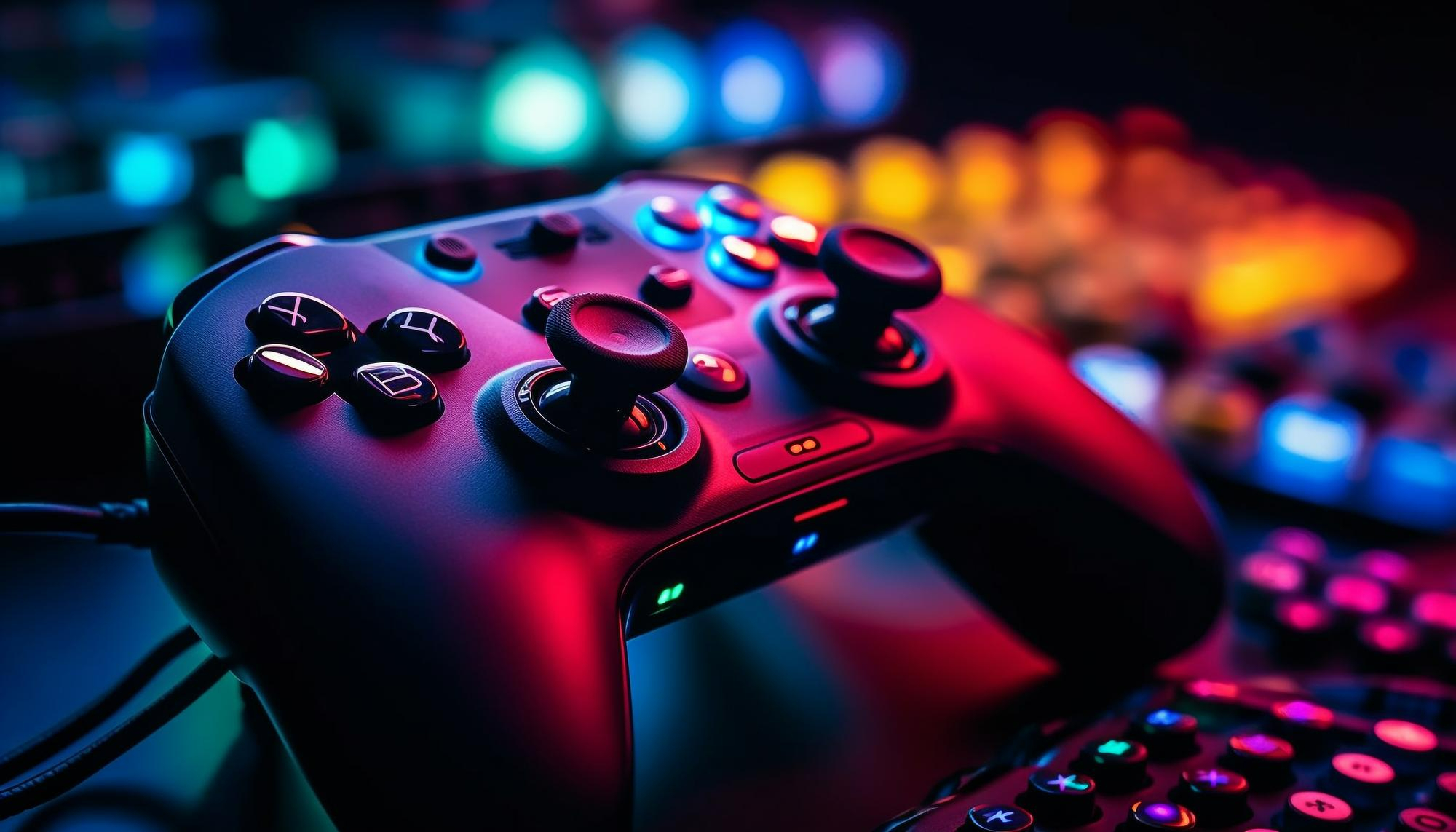
Imagine recovering from an injury or managing a chronic condition, not with boring, repetitive exercises, but by playing engaging video games. Sounds like a dream, right? Well, welcome to the world of gaming physical therapy, where rehabilitation meets recreation!
Traditional physical therapy can sometimes feel tedious, like a chore. The exercises can be repetitive, and it can be hard to stay motivated when you're struggling with pain or limited mobility. Getting yourself to stick to the prescribed routine day after day can be a real challenge.
Gaming physical therapy, also known as motion gaming for recovery, aims to revolutionize the rehabilitation process. It seeks to make physical therapy more engaging, enjoyable, and ultimately, more effective by incorporating video games into the treatment plan. This approach can improve patient motivation, adherence, and overall outcomes.
This article explores the exciting field of gaming physical therapy and motion gaming for recovery. We will discuss the benefits of this innovative approach, how it works, and its potential to transform rehabilitation. The key takeaway is that motion-based games offer an engaging way to improve physical function, motivation, and overall well-being during recovery.
The Magic of Motion-Based Games
I'll never forget my grandmother's struggle after her hip replacement. The physical therapy exercises seemed to drain her, and she dreaded each session. She wasn't getting the results she wanted because it felt more like a punishment than a path to recovery. I remember thinking, "There has to be a better way!" That's when I started looking into alternative therapies, and gaming physical therapy really caught my attention.
Gaming physical therapy leverages the immersive and interactive nature of video games to motivate patients and encourage them to perform therapeutic movements. Using motion sensors, like those found in the Nintendo Wii, Microsoft Kinect, or Sony Play Station Move, the game tracks the player's movements and translates them into actions within the virtual environment. Patients are therefore not only engaging in physical rehabilitation, but they are also interacting with a virtual world that stimulates and rewards participation. The games are designed to target specific muscle groups, improve range of motion, enhance balance, and promote coordination. Because the activities are presented in a fun and engaging format, patients are more likely to adhere to their treatment plan, leading to faster recovery times and better overall results. Games can be easily adapted to suit different skill levels and rehabilitation needs. Motion gaming allows patients to feel a sense of accomplishment and enjoyment while working towards their physical therapy goals.
What Exactly is Gaming Physical Therapy?
Gaming physical therapy is the use of video games and motion-sensing technology to assist patients in physical rehabilitation. It’s about taking the proven principles of physical therapy and infusing them with the engaging elements of gaming. Instead of just lifting weights or doing repetitive motions in isolation, patients interact with games that require them to perform specific movements to achieve in-game goals.
Imagine a stroke patient using a motion-sensing game to practice reaching for objects or a child with cerebral palsy using a game to improve their balance and coordination. The games are designed in consultation with physical therapists to target specific therapeutic goals, such as increasing range of motion, strengthening muscles, improving balance, and enhancing coordination. Motion gaming is not a replacement for traditional physical therapy, but it is more like an extra tool that can be used to enhance the treatment process. By making therapy more fun and engaging, motion gaming improves motivation, adherence, and ultimately, better outcomes. Because the games provide instant feedback and rewards, patients feel a sense of progress and accomplishment, which further motivates them to continue with their therapy. The ability to adjust the difficulty and complexity of the games also allows therapists to tailor the treatment to each patient's unique needs and abilities. It also helps to make therapy a fun and exciting process.
The History and Myths of Gaming Physical Therapy
While the concept might seem futuristic, the roots of gaming physical therapy can be traced back to the early days of video game consoles with motion-sensing capabilities. The Nintendo Wii, released in 2006, was a turning point, as it introduced motion gaming to a mainstream audience. Physical therapists and researchers quickly recognized the potential of the Wii to enhance rehabilitation programs. The first studies on the effectiveness of Wii-based therapy showed promising results, leading to further research and development in this area.
One common myth is that gaming physical therapy is "just playing games" and not a serious form of rehabilitation. It is really a carefully designed therapeutic intervention, with the games being used as tools to achieve specific clinical goals. Another myth is that it is only suitable for children or young adults. This therapy can be beneficial for people of all ages and abilities. It is important to remember that gaming physical therapy is not a replacement for traditional physical therapy, but rather an adjunctive treatment that can enhance the overall rehabilitation process. The effectiveness of gaming physical therapy depends on the individual patient's needs, the specific games used, and the guidance of a qualified physical therapist. While it has proven to be effective, gaming physical therapy should be viewed as a valuable tool in a broader rehabilitation plan. Motion gaming can provide benefits to all those who have physical ailments.
The Hidden Secret of Gaming Physical Therapy
The real secret behind the effectiveness of gaming physical therapy isn't just the fun factor; it's the way it taps into the brain's natural reward system. When we perform an action and receive positive feedback, our brains release dopamine, a neurotransmitter associated with pleasure and motivation. This dopamine release reinforces the behavior, making us more likely to repeat it. It is a system that promotes the willingness to continue therapy.
Games are expertly designed to provide a constant stream of rewards, whether it's points, virtual achievements, or simply progressing to the next level. This constant reinforcement keeps patients motivated and engaged, even when the exercises are challenging. The key to unlocking the full potential of gaming physical therapy is to personalize the game selection and difficulty to match the patient's specific needs and abilities. A skilled physical therapist can choose games that target the right muscle groups, challenge the appropriate motor skills, and provide a level of difficulty that is both stimulating and achievable. This tailored approach ensures that patients are not only having fun, but also making real progress toward their rehabilitation goals. A gaming plan for any patient ensures that therapy remains fun and productive. Motion-based games can be tailored to specific ailments and patients.
Recommendations for Gaming Physical Therapy
If you're considering gaming physical therapy, start by discussing it with your doctor or physical therapist. They can assess your condition, determine if this approach is appropriate for you, and recommend specific games or programs. It is also important to choose a physical therapist who is familiar with gaming physical therapy and has experience integrating it into treatment plans.
Before starting a gaming physical therapy program, it's essential to set realistic goals. Don't expect to be fully recovered overnight. Instead, focus on making small, incremental improvements over time. Celebrate your successes, no matter how small they may seem. It’s also crucial to listen to your body and avoid pushing yourself too hard, especially in the early stages of rehabilitation. Take breaks when you need them and don't hesitate to modify the exercises or games if they are causing pain or discomfort. Finally, remember that consistency is key. The more you stick to your gaming physical therapy program, the better your results will be. Even if you only have a few minutes each day, make an effort to incorporate gaming exercises into your routine. This process will ensure that you remain on the right path for success. Remember that the main goal is to reach a state of total wellness.
Choosing the Right Games
Selecting the right games is crucial for a successful gaming physical therapy experience. Look for games that are engaging, challenging, and specifically designed to target your rehabilitation goals. For example, if you're recovering from a stroke and need to improve your arm and hand function, games that require reaching, grasping, and manipulating objects can be beneficial.
If you're working on balance and coordination, games that involve movement and weight shifting can be helpful. It's also important to consider your personal preferences when choosing games. If you enjoy sports games, look for options that allow you to simulate activities like tennis, bowling, or golf. If you prefer adventure games, there are many options that require you to perform physical actions to solve puzzles and overcome obstacles. Ultimately, the best games are the ones that you find fun and motivating, as you'll be more likely to stick with the program if you're enjoying yourself. However, make sure to consult with your physical therapist to ensure that the games you choose are safe and appropriate for your condition. It’s also important that you have fun in the process of rehabilitation. This can contribute to your ability to recover and continue to stay healthy.
Tips for Success with Gaming Physical Therapy
To maximize the benefits of gaming physical therapy, it's important to create a dedicated space for your sessions. Choose a room with enough space to move freely and safely, and make sure the lighting is adequate. Set up your gaming console and motion sensors according to the manufacturer's instructions and test the system to ensure that it's working properly.
Before each session, take a few minutes to warm up your muscles with light stretches or range-of-motion exercises. This will help to prevent injuries and improve your performance. During the session, focus on performing the movements correctly and maintaining good posture. Avoid rushing through the exercises or compensating with other muscle groups. It's also helpful to track your progress over time. Keep a journal or use a fitness tracker to monitor your range of motion, strength, and balance. This will allow you to see how far you've come and stay motivated to continue improving. Finally, don't be afraid to ask for help. If you're struggling with a particular exercise or game, consult with your physical therapist for guidance and support. This can make a significant impact on your road to recovery. Remember to make progress at your own pace.
Incorporating Gaming into Your Daily Routine
One of the best ways to ensure success with gaming physical therapy is to incorporate it into your daily routine. Schedule specific times for your sessions, just like you would for any other important appointment. Treat your gaming physical therapy sessions as a regular part of your day, rather than something you do only when you have extra time or feel like it.
Find ways to make gaming physical therapy more enjoyable. Listen to music while you play, invite a friend or family member to join you, or reward yourself after each session. Breaking up the sessions into shorter intervals throughout the day can make it easier to fit gaming physical therapy into your busy schedule. Even 10-15 minutes of gaming exercises a few times a day can be beneficial. Be creative and find ways to make gaming physical therapy a fun and engaging part of your daily life.
Remember to be patient with yourself and celebrate your progress, no matter how small it may seem. It’s okay to have setbacks or days when you don’t feel like exercising. Just get back on track as soon as possible and keep moving forward. Remember to listen to your body and always consider consulting with a physical therapist.
Fun Facts About Gaming Physical Therapy
Did you know that some professional sports teams are using gaming technology to help athletes recover from injuries and improve their performance? Virtual reality (VR) is being used to simulate game situations and allow athletes to practice their skills in a safe and controlled environment.
Gaming physical therapy is not just for physical rehabilitation; it can also be used to improve cognitive function. Games that require problem-solving, memory, and attention can help to improve cognitive skills in people of all ages. Researchers are also exploring the potential of gaming physical therapy to treat mental health conditions, such as anxiety and depression. Games that promote relaxation, mindfulness, and social interaction can help to reduce stress and improve mood. Gaming has many benefits for everyone. Motion gaming can improve cognitive function for any patient. Fun video games can provide hours of therapy for anyone.
How to Get Started with Gaming Physical Therapy
The first step is to consult with your doctor or physical therapist to determine if gaming physical therapy is right for you. They can assess your condition, identify your rehabilitation goals, and recommend specific games or programs.
Next, you'll need to choose a gaming console and motion sensors. The Nintendo Wii, Microsoft Kinect, and Sony Play Station Move are all popular options for gaming physical therapy. Each system has its own strengths and weaknesses, so do some research to determine which one is best suited for your needs. Once you have your equipment, set it up according to the manufacturer's instructions. Make sure you have enough space to move freely and safely, and adjust the settings to optimize your experience. Finally, start playing! Begin with simple games and exercises and gradually increase the difficulty as you progress. Remember to listen to your body and take breaks when you need them. Gaming can greatly contribute to therapy and rehabilitation. It’s important to ensure that the plan is personalized and meets your goals.
What if Gaming Physical Therapy Doesn't Work?
While gaming physical therapy can be a highly effective approach for many people, it's not a guaranteed solution for everyone. If you're not seeing the results you expect, don't get discouraged. There are several factors that can influence the effectiveness of gaming physical therapy.
One possibility is that the games you're using are not the right fit for your condition or rehabilitation goals. It's important to work with your physical therapist to select games that target the specific muscle groups, motor skills, or cognitive abilities you're trying to improve. Another possibility is that you're not performing the exercises correctly. Pay close attention to your form and posture, and ask your physical therapist for feedback and guidance. If you're still not seeing progress, it may be necessary to adjust your treatment plan. Your physical therapist may recommend incorporating other types of exercises or therapies, or changing the frequency or duration of your gaming sessions. Ultimately, the key is to be patient, persistent, and willing to adapt your approach as needed. Be willing to communicate to your physical therapist and make a plan that works.
Listicle of Gaming Physical Therapy Benefits
1. Increased Motivation: Gaming makes therapy more engaging and enjoyable, leading to greater motivation and adherence.
- Improved Range of Motion: Motion-sensing games encourage patients to perform movements that increase their range of motion.
- Enhanced Strength and Coordination: Games can be designed to target specific muscle groups and improve coordination.
- Better Balance: Games that involve movement and weight shifting can help to improve balance.
- Cognitive Benefits: Gaming can improve cognitive skills, such as problem-solving, memory, and attention.
- Reduced Pain: The distraction and enjoyment of gaming can help to reduce pain perception.
- Increased Social Interaction: Some games allow for multiplayer interaction, which can reduce isolation and promote social connection.
- Personalized Treatment: Games can be tailored to each patient's unique needs and abilities.
- Objective Measurement: Motion-sensing technology provides objective data on patient performance, allowing therapists to track progress more accurately.
- Cost-Effective: Gaming consoles and games are relatively inexpensive compared to some other forms of therapy.
Question and Answer About Gaming Physical Therapy
Q: Is gaming physical therapy a replacement for traditional physical therapy?
A: No, gaming physical therapy is typically used as an adjunct to traditional physical therapy, not as a replacement. It can enhance the effectiveness of traditional therapy by making it more engaging and motivating.
Q: Is gaming physical therapy safe?
A: When used properly and under the guidance of a qualified physical therapist, gaming physical therapy is generally safe. It's important to listen to your body and avoid pushing yourself too hard.
Q: What types of conditions can be treated with gaming physical therapy?
A: Gaming physical therapy can be used to treat a wide range of conditions, including stroke, cerebral palsy, multiple sclerosis, Parkinson's disease, and orthopedic injuries.
Q: How do I find a physical therapist who offers gaming physical therapy?
A: Ask your doctor for a referral, search online directories, or contact your local physical therapy associations.
Conclusion of Gaming Physical Therapy
Gaming physical therapy is a promising approach to rehabilitation that combines the engaging elements of video games with the therapeutic principles of physical therapy. By making therapy more fun, motivating, and personalized, gaming physical therapy can help patients achieve better outcomes and improve their overall quality of life. The future of rehabilitation is here, and it's filled with pixels, motion sensors, and the power of play.
Post a Comment