Gaming Problem Solving: Critical Thinking Skills Development
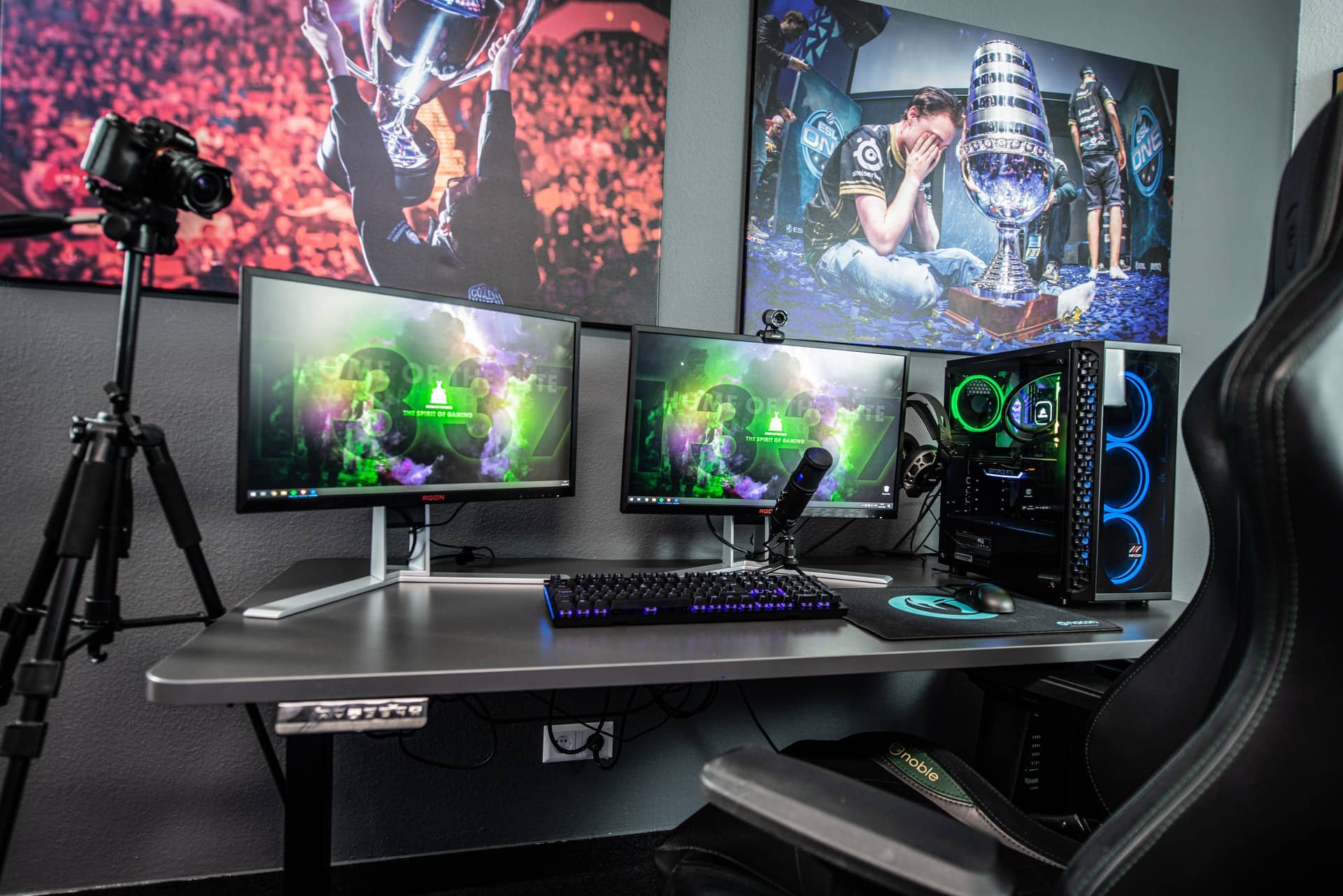
Have you ever found yourself so engrossed in a video game that hours seem to melt away? Beyond the entertainment, those digital worlds are quietly honing crucial skills that extend far beyond the screen. Think about it: every quest, every puzzle, every strategic decision is an exercise in problem-solving, critical thinking, and even teamwork.
Many people view gaming as just a pastime, perhaps even a time-waster. They might see the hours spent in virtual worlds as unproductive and worry that these activities detract from more "important" pursuits. The complexities and potential benefits of gaming often get overlooked, leading to a narrow perspective on their impact on cognitive development.
This blog post aims to explore how gaming contributes to developing essential critical thinking and problem-solving skills. We'll delve into how different genres nurture various cognitive abilities and why incorporating gaming into a balanced lifestyle can be surprisingly beneficial for personal and intellectual growth.
Throughout this exploration, we'll uncover how video games can be more than just fun and games. They can be powerful tools for sharpening our minds, fostering collaboration, and preparing us for the challenges of the real world. Key concepts include critical thinking, problem-solving, strategic thinking, teamwork, and cognitive development.
Unlocking Strategic Thinking Through Gaming
Strategic thinking is the heart of many games, requiring players to anticipate, plan, and adapt to changing circumstances. I remember playing a real-time strategy game as a kid where I constantly had to think several steps ahead of my opponent. If I only focused on the immediate battle, I'd quickly find myself overwhelmed by a surprise attack or resource shortage. This taught me the importance of long-term planning and resource management – skills that proved invaluable in academic projects and even my career. Gaming isn't just about button-mashing; it's about analyzing situations, predicting outcomes, and making informed decisions. Think about games like Civilizationor Star Craft. Players must manage resources, build economies, research technologies, and wage war – all while considering the actions of their opponents. This constant need to evaluate options and adapt strategies hones the ability to think critically and strategically. Many modern games also require cooperative strategies for success, especially in multiplayer online games, which often require complex tactical coordination with a team. This encourages players to consider alternative viewpoints, develop new approaches, and learn in a dynamic environment. Ultimately, strategic thinking in gaming translates into real-world skills that are essential for success in various aspects of life. The ability to analyze situations, plan effectively, and adapt to changing circumstances are crucial for problem-solving and decision-making, whether in a professional setting or in everyday life. It can cultivate resilience, adaptability, and a more proactive approach to challenges.
The Power of Problem-Solving in Virtual Worlds
Problem-solving lies at the core of many gaming experiences, whether it's figuring out how to defeat a challenging boss, navigating a complex puzzle, or optimizing a resource management system. Games provide a safe and engaging environment to experiment, learn from mistakes, and develop creative solutions. Consider puzzle games like Portalor The Witness, which require players to think outside the box and approach problems from different angles. These games challenge assumptions and encourage players to develop innovative solutions. Similarly, adventure games like The Legend of Zeldaseries often present players with environmental puzzles that require careful observation and creative thinking. The act of trial and error is a fundamental part of the learning process in gaming. Players are encouraged to experiment with different approaches, analyze the results, and adjust their strategies accordingly. This iterative process fosters resilience and a growth mindset, as players learn to view failures as opportunities for improvement. Games also often present players with open-ended problems that require them to make decisions with incomplete information. This ambiguity forces players to think critically, evaluate risks, and make informed judgments based on the available data. These skills are invaluable in the real world, where many problems lack clear-cut solutions and require a degree of creativity and intuition. Furthermore, gaming environments allow players to apply abstract concepts in concrete ways. Concepts like spatial reasoning, logic, and probability become tangible when applied to challenges within the game, improving the player's ability to comprehend and use these concepts in different contexts. This practical application of theoretical knowledge solidifies comprehension and helps players understand how to apply problem-solving skills in real-world scenarios.
Gaming: A Historical Perspective
While video games as we know them are a relatively recent phenomenon, the concept of games as tools for learning and skill development has a long history. From ancient board games like chess and Go to early arcade games like Pongand Space Invaders, games have always challenged players to think strategically and react quickly. The modern video game industry emerged in the late 20th century with games like Pac-Manand Super Mario Bros.These games, while simple by today's standards, introduced innovative gameplay mechanics and challenged players to master new skills. As technology advanced, video games became more complex and immersive, offering players a wider range of experiences and challenges. The rise of online gaming in the early 21st century brought about a new era of collaboration and competition, as players from around the world connected to play together. These trends pushed video games towards more realistic simulations, more sophisticated interactions, and a greater focus on cooperation, particularly in massively multiplayer online role-playing games (MMORPGs) and real-time strategy (RTS) games. The narrative of gaming is also rich with myth and legend. Stories of legendary players and their feats have been passed down through generations, inspiring new players to push their limits and strive for greatness. These stories often focus on themes of perseverance, teamwork, and strategic thinking, reinforcing the idea that gaming can be a valuable tool for personal growth. These days, the accessibility and diverse game types has led to even broader application of games in education, training, and even therapy. The use of serious games to teach complex concepts, simulate real-world scenarios, and treat mental health conditions demonstrates the growing recognition of the value of gaming as more than just entertainment.
The Hidden Secrets of Gaming Skill Development
One of the often overlooked benefits of gaming is its ability to enhance cognitive flexibility. This is the ability to switch between different tasks or mental sets, which is crucial for adapting to changing situations and solving complex problems. Many games require players to juggle multiple objectives simultaneously, such as managing resources, coordinating units, and responding to enemy attacks. This constant switching between tasks helps to improve cognitive flexibility and multitasking skills. Another hidden secret is the role of gaming in fostering creativity. Games often provide players with tools and resources to create their own content, such as building structures, designing levels, or creating custom characters. This creative process encourages players to think outside the box and express themselves in new and innovative ways. Moreover, games can also improve spatial reasoning skills. Many games require players to navigate complex environments, visualize three-dimensional spaces, and solve spatial puzzles. This type of gameplay can help to strengthen spatial reasoning abilities, which are essential for fields like architecture, engineering, and design. The competitive nature of many games can also foster resilience and perseverance. Players often face setbacks and defeats, but they are encouraged to learn from their mistakes and try again. This process of trial and error helps to develop a growth mindset and a willingness to persist in the face of challenges. Furthermore, the immersive nature of many games can provide players with a sense of flow, a state of deep focus and engagement where they are completely absorbed in the activity. This state of flow can be incredibly rewarding and can lead to increased motivation and creativity.
Recommendations for Gaming and Skill Development
If you're looking to leverage gaming for skill development, consider exploring a variety of genres. Strategy games like Civilizationor XCOMcan enhance strategic thinking and planning skills. Puzzle games like Portalor The Witnesscan challenge your problem-solving abilities and spatial reasoning. Action games like Overwatchor Valorantcan improve your reaction time and coordination. And role-playing games like The Witcher 3or Elder Scrollscan foster critical thinking and decision-making skills. It's also important to be mindful of the amount of time you spend gaming. While gaming can be beneficial, excessive gaming can lead to negative consequences such as eye strain, sleep deprivation, and social isolation. Aim for a balanced approach, where gaming is part of a healthy lifestyle that includes physical activity, social interaction, and other hobbies. Consider using gaming as a way to connect with friends and family. Many games offer multiplayer modes that allow you to play together online. This can be a great way to socialize and bond with others while also improving your teamwork and communication skills. Seek out games that align with your interests and goals. If you're interested in history, try playing a historical strategy game. If you're interested in science, try playing a science-based puzzle game. By choosing games that you find engaging and relevant, you'll be more likely to stick with them and reap the benefits of skill development. And don't be afraid to experiment with different games and genres. You might be surprised by what you discover and the skills you develop along the way. Also, consider joining online communities and forums dedicated to gaming. These communities can provide valuable resources, tips, and support. You can learn from other players, share your experiences, and stay up-to-date on the latest trends in gaming.
The Cognitive Benefits of Specific Game Genres
Different game genres tend to emphasize different cognitive skills. Strategy games, as mentioned before, are excellent for developing planning, resource management, and long-term thinking. The need to anticipate opponent actions and react accordingly is particularly useful. First-person shooters (FPS) can significantly improve reaction time, spatial awareness, and hand-eye coordination. The fast-paced environment of these games requires players to make split-second decisions and react quickly to changing situations. Role-playing games (RPGs) often involve complex storylines, character development, and decision-making. These games encourage players to think critically about the consequences of their actions and to develop empathy for different characters. Puzzle games are the champions when it comes to enhancing logical thinking and problem-solving skills. They challenge players to think creatively and to approach problems from different angles. Simulation games, such as city-building games or flight simulators, can help to develop problem-solving skills and an understanding of complex systems. These games require players to manage resources, optimize processes, and adapt to changing circumstances. Rhythm games improve hand-eye coordination and timing. The player must react to visual and auditory cues with precise movements. This constant coordination enhances reflexes and sensory perception. Ultimately, understanding the cognitive benefits associated with each genre allows players to select games that align with their skill development goals and maximize the positive impact of gaming on their cognitive abilities.
Tips for Maximizing Skill Development Through Gaming
To truly maximize the skill-developing potential of gaming, you need to be intentional about your approach. Don't just passively play games; actively engage with the challenges and try to learn from your mistakes. Reflect on your gameplay. After each session, take some time to think about what you did well and what you could have done better. This self-reflection will help you identify areas where you need to improve and develop strategies for overcoming challenges. Seek out challenging games. Don't be afraid to step outside of your comfort zone and try games that will push you to your limits. The more challenging the game, the more opportunities you'll have to learn and grow. Set goals for yourself. Whether it's completing a difficult level, mastering a new skill, or improving your ranking in a competitive game, setting goals will give you something to strive for and help you stay motivated. Use online resources to your advantage. There are countless websites, forums, and videos that offer tips, strategies, and walkthroughs for various games. Take advantage of these resources to learn new techniques and improve your gameplay. Watch experienced players. Watching experienced players can provide valuable insights into advanced strategies and techniques. Pay attention to their decision-making processes and try to emulate their moves. Experiment with different play styles. Don't be afraid to try new things and experiment with different approaches to the game. This will help you develop a more well-rounded skillset and adapt to different situations. Collaborate with other players. Playing with others can be a great way to learn new strategies and improve your teamwork skills. Look for opportunities to join online communities or play with friends and family. Most importantly, have fun! Gaming should be enjoyable, so make sure you're playing games that you find engaging and rewarding.
Gaming: A Gateway to Soft Skills
Beyond the technical skills that can be acquired through gaming, games can also cultivate essential soft skills such as communication, teamwork, and leadership. Many multiplayer games require players to communicate effectively with each other in order to coordinate strategies and achieve common goals. This communication can take many forms, from simple text chat to complex voice communication systems. Working together to achieve a common goal is a key component of many multiplayer games. Players must learn to trust each other, coordinate their actions, and support each other in order to succeed. Games can provide opportunities to develop leadership skills. Whether it's leading a raid in an MMORPG or captaining a team in a sports game, these skills can be invaluable in both personal and professional settings. Conflict resolution is a natural product of gameplay. Games can also provide opportunities to develop conflict resolution skills. Disagreements and conflicts are inevitable in any team setting, and games can provide a safe environment to learn how to resolve these conflicts constructively. The ability to adapt is a key skill needed for life. Gaming requires players to adapt to changing circumstances. Whether it's a new enemy, a new challenge, or a new strategy, players must be able to think on their feet and adjust their approach accordingly. Gaming challenges the player to solve problems using different methods. Through gaming, soft skills are often developed organically as a byproduct of the immersive and collaborative gameplay experience. This makes gaming a surprisingly effective tool for cultivating these essential life skills.
Fun Facts About Gaming and Cognitive Skills
Did you know that playing video games can actually increase the size of certain brain regions? Studies have shown that gamers have larger hippocampus regions, which are associated with spatial navigation and memory. Playing action games has been linked to improved attention and focus. Gamers are often able to filter out distractions and concentrate on the task at hand for longer periods of time. Gaming can also improve decision-making skills. Players are constantly faced with choices in games, and they must learn to weigh the pros and cons of each option before making a decision. Playing certain types of games can even help to improve your eyesight. Studies have shown that playing action games can improve contrast sensitivity, which is the ability to distinguish between subtle differences in brightness. Gaming can also be a great way to relieve stress. Many people find that playing games helps them to relax and unwind after a long day. The repetitive nature of some games can also be meditative, helping to calm the mind and reduce anxiety. Some games have been specifically designed to treat mental health conditions. For example, there are games that are designed to help people cope with anxiety, depression, and PTSD. Gaming can also be a great way to connect with others. Many games offer multiplayer modes that allow you to play with friends and family online. This can be a great way to socialize and bond with others while also improving your teamwork and communication skills. The benefits of gaming extend beyond mere entertainment. It is a tool that enhances cognitive abilities, fosters social connections, and offers therapeutic possibilities. With proper moderation and mindful game selection, the fun found in gaming can be leveraged for measurable self-improvement.
How to Incorporate Gaming into Skill Development Routines
Integrating gaming into a skill development routine requires a strategic approach to maximize benefits while minimizing potential drawbacks. The first step is to identify specific skills you want to improve. Do you want to enhance your problem-solving abilities, sharpen your strategic thinking, improve your reaction time, or develop your teamwork skills? Once you've identified your goals, you can select games that are specifically designed to target those skills. Set aside dedicated time for gaming each week. Just like any other skill development activity, consistency is key. Aim for a regular schedule of gaming sessions, whether it's a few hours each week or a short session each day. Create a dedicated gaming space. Having a comfortable and distraction-free environment will help you focus and get the most out of your gaming sessions. Turn off your phone, close any unnecessary tabs on your computer, and let your family know that you need some uninterrupted time. Don't be afraid to experiment with different games and genres. You might be surprised by what you discover and the skills you develop along the way. Track your progress. Keep a journal or use a spreadsheet to track your progress in the games you're playing. This will help you see how you're improving over time and stay motivated. Balance gaming with other activities. While gaming can be beneficial, it's important to maintain a healthy balance with other activities such as physical exercise, social interaction, and creative pursuits. And be mindful of your posture and ergonomics. Sitting for long periods of time can lead to back pain and other health problems. Make sure you have a comfortable chair, a good monitor setup, and take frequent breaks to stretch and move around. By making these steps you can ensure that your routine effectively integrates cognitive stimulation with the enjoyment that gaming provides.
What if Gaming Replaced Traditional Education?
The idea of replacing traditional education with gaming is a radical concept that raises both exciting possibilities and serious concerns. On the one hand, games offer a highly engaging and interactive learning environment that can motivate students in ways that traditional classrooms often fail to achieve. Games can also provide personalized learning experiences that cater to individual needs and learning styles. Students can learn at their own pace, focus on areas where they need the most help, and receive immediate feedback on their progress. Furthermore, games can simulate real-world scenarios and provide students with opportunities to apply their knowledge in practical ways. This can help them develop critical thinking, problem-solving, and decision-making skills that are essential for success in the 21st century. However, there are also significant challenges to consider. One of the biggest concerns is the potential for games to become addictive and distract students from other important aspects of their lives. It's also important to ensure that the games used for education are aligned with curriculum standards and that students are assessed fairly and accurately. Another concern is the potential for games to perpetuate stereotypes and biases. It's important to carefully select games that are diverse, inclusive, and promote positive values. There is also the question of whether games can adequately cover all of the subjects and skills that are typically taught in traditional schools. Some subjects, such as literature, history, and art, may be difficult to teach effectively through games. A blended approach, where games are used to supplement traditional education rather than replace it entirely, may be the most effective way to leverage the benefits of gaming while mitigating the risks. This would allow students to enjoy the engaging and interactive learning environment of games while still receiving a well-rounded education that covers all of the essential subjects and skills. The future of education may very well involve a hybrid model that incorporates the best aspects of both traditional and gaming-based learning.
Listicle: Top 5 Games for Developing Critical Thinking Skills
Here's a quick list to get you started on your journey to becoming a master strategist and problem-solver, all while having fun:
1.Portal 2: This puzzle game is a masterpiece of level design, forcing players to think spatially and use physics to solve increasingly complex challenges. The narrative is also witty and engaging, making it a joy to play.
2.The Witness: This open-world puzzle game is known for its elegant and challenging puzzles that require players to think critically and pay attention to detail.
3.Civilization VI: This strategy game challenges players to build and manage their own civilizations, making decisions about everything from technology and culture to diplomacy and warfare.
4.Overwatch: This team-based shooter requires players to coordinate their strategies and work together to achieve common goals.
5.The Talos Principle: The Talos Principle is a philosophical puzzle game where players are tasked with solving a series of increasingly difficult puzzles that explore themes of free will, consciousness, and the meaning of life. By engaging with complex philosophical questions and applying them to game mechanics, players can strengthen their critical thinking skills and explore profound concepts in an interactive format.
Question and Answer Section
Here are some common questions about gaming and critical thinking:
Q: Can any video game improve my critical thinking skills?
A: While many games can contribute to critical thinking, certain genres and titles are particularly effective. Strategy games, puzzle games, and RPGs often require players to analyze situations, make decisions, and solve complex problems.
Q: How much gaming is too much?
A: It's essential to strike a balance. Excessive gaming can lead to negative consequences such as eye strain, sleep deprivation, and social isolation. Aim for moderation and prioritize other important activities such as physical exercise, social interaction, and creative pursuits.
Q: Do I need to be good at gaming to benefit from it?
A: No, you don't need to be a pro gamer to reap the cognitive benefits. The key is to engage with the game in a thoughtful and intentional way, reflecting on your gameplay and learning from your mistakes.
Q: Can gaming replace traditional learning methods?
A: While gaming can be a powerful tool for learning, it's unlikely to completely replace traditional methods. A blended approach that combines the best aspects of both gaming and traditional education may be the most effective way to leverage the benefits of both.
Conclusion of Gaming Problem Solving: Critical Thinking Skills Development
In conclusion, gaming offers a wealth of opportunities for developing essential critical thinking and problem-solving skills. By engaging with different game genres, reflecting on your gameplay, and setting goals for yourself, you can leverage the power of gaming to sharpen your mind and prepare yourself for the challenges of the real world. So, the next time you pick up a controller, remember that you're not just playing a game – you're training your brain.
Post a Comment