Gaming Rehabilitation Therapy: Games for Physical Recovery
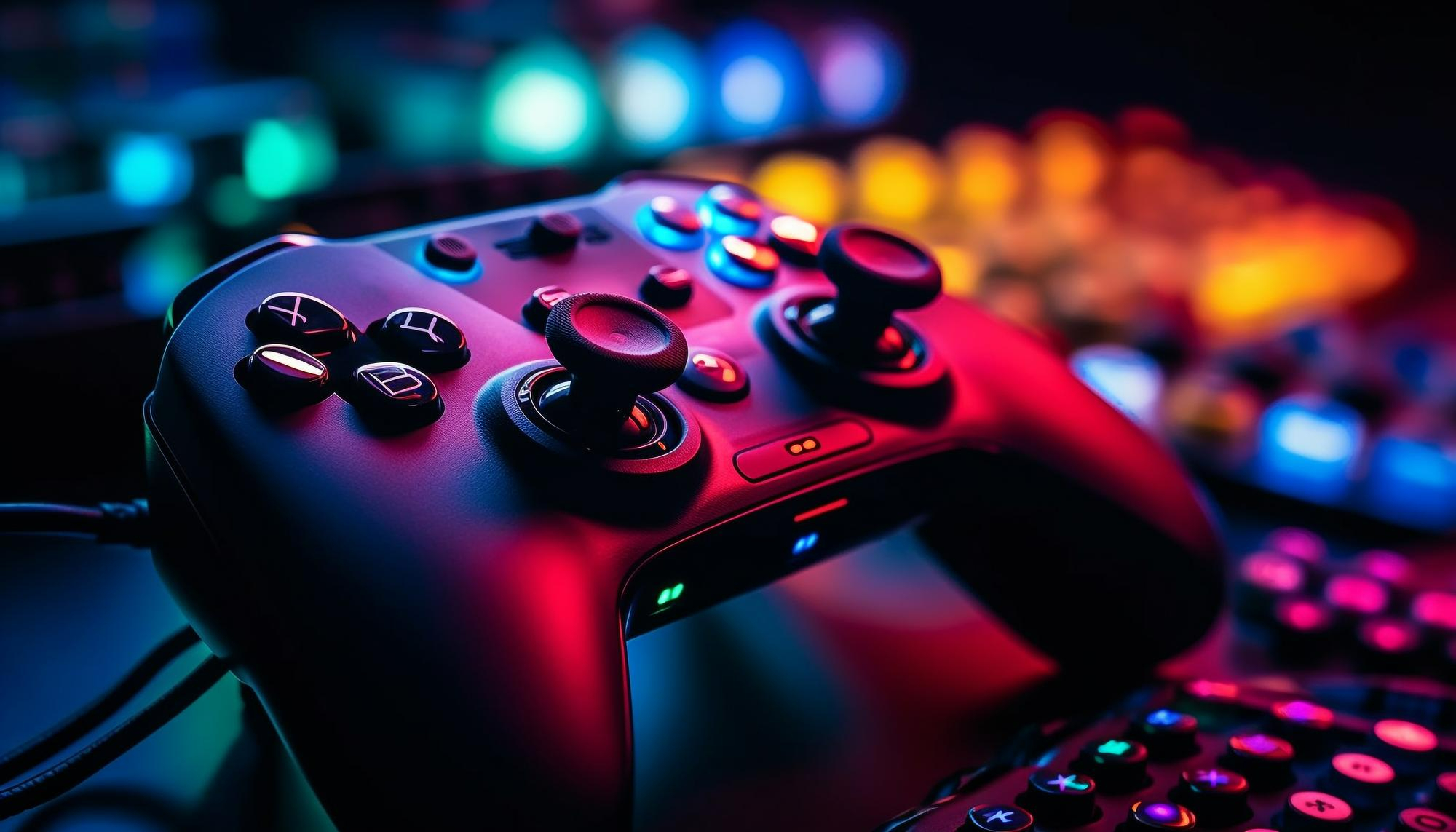
Imagine a world where recovering from an injury or managing a physical condition isn't just about sterile exercises and repetitive motions, but an engaging, even enjoyable experience. What if the key to regaining your strength and mobility lay in the immersive world of video games?
For many, the path to physical recovery can feel like a daunting uphill climb. The exercises can be monotonous, the progress slow, and the discomfort all too real. Staying motivated and engaged in traditional rehabilitation programs can be a genuine challenge, sometimes leading to frustration and a decreased commitment to the process.
Gaming rehabilitation therapy aims to bridge this gap by harnessing the power of video games to make physical therapy more engaging, effective, and accessible. It offers a unique approach to rehabilitation, leveraging technology to motivate patients, track progress, and personalize treatment plans. The goal is to transform tedious exercises into interactive and rewarding experiences.
This article explores the burgeoning field of gaming rehabilitation therapy, examining its potential to revolutionize physical recovery. We'll delve into the science behind it, explore real-world applications, address common misconceptions, and provide practical tips for incorporating gaming into your own rehabilitation journey. So, grab your controller, and let's level up your recovery!
The Science Behind the Game
I remember when my grandfather had a stroke. The doctor recommended physical therapy, but he was resistant. The exercises seemed boring and he quickly lost motivation. It felt like we were fighting an uphill battle just to get him to participate. Gaming rehabilitation therapy offers a potential solution to this problem. By incorporating games into the therapy process, patients are more likely to stay engaged and motivated, which can lead to better outcomes. The core of gaming rehabilitation therapy lies in its ability to tap into the brain's natural reward system. When we achieve a goal in a game, our brains release dopamine, a neurotransmitter associated with pleasure and motivation. This creates a positive feedback loop, encouraging us to continue playing and, in turn, continue performing the therapeutic exercises. Furthermore, many games require precise movements, coordination, and cognitive skills, making them ideal for targeting specific areas of physical rehabilitation. For example, a game that requires reaching and grasping can help improve upper limb function after a stroke, while a balance-based game can help prevent falls in elderly patients. The key is to select games that are appropriate for the individual's specific needs and abilities, and to use them in conjunction with traditional physical therapy techniques. The integration of virtual reality (VR) adds another layer of immersion and engagement, allowing patients to practice real-world skills in a safe and controlled environment.
What is Gaming Rehabilitation Therapy?
Gaming rehabilitation therapy is the use of video games and interactive technologies as tools for physical and cognitive rehabilitation. It's not about passively playing games; it's about actively engaging with games that are specifically designed or adapted to target specific therapeutic goals. This could involve anything from using motion-sensing technology to control on-screen characters, to playing cognitive training games that improve memory and attention. The beauty of gaming rehabilitation therapy is its adaptability. Games can be tailored to meet the individual needs of patients with a wide range of conditions, including stroke, cerebral palsy, spinal cord injury, traumatic brain injury, and orthopedic injuries. For example, someone recovering from a knee replacement could use a balance board game to improve their stability and weight-bearing tolerance, while someone with Parkinson's disease could use a rhythm-based game to improve their motor control and coordination. Beyond the physical benefits, gaming rehabilitation therapy can also have a positive impact on mental and emotional well-being. The sense of accomplishment that comes from mastering a game can boost self-esteem and confidence, while the social interaction involved in multiplayer games can combat feelings of isolation and loneliness. Furthermore, the immersive nature of games can help distract patients from pain and discomfort, making the rehabilitation process more tolerable. It's important to note that gaming rehabilitation therapy is not a replacement for traditional physical therapy, but rather a complementary approach. It should be used under the guidance of a qualified healthcare professional who can assess the patient's needs, select appropriate games, and monitor their progress.
History and Myths of Gaming Rehabilitation Therapy
The concept of using games for rehabilitation isn't entirely new. Even before the advent of modern video games, therapists were using activities like bowling and table tennis to improve patients' motor skills and coordination. However, the emergence of motion-sensing technologies like the Nintendo Wii in the mid-2000s marked a turning point in the field. The Wii's intuitive interface and accessible games made it an instant hit with therapists and patients alike, paving the way for the development of more sophisticated gaming rehabilitation systems. Despite its growing popularity, gaming rehabilitation therapy is still surrounded by some myths. One common misconception is that it's only for children or young adults. In reality, gaming rehabilitation therapy can be beneficial for people of all ages and abilities. Another myth is that it's just a fun and games and doesn't provide any real therapeutic benefit. While it's true that gaming rehabilitation therapy can be enjoyable, it's also based on sound scientific principles. Numerous studies have shown that it can be effective in improving physical and cognitive function in a variety of populations. Another concern is that excessive screen time can be harmful. However, when used in moderation and under the guidance of a therapist, the benefits of gaming rehabilitation therapy far outweigh the risks. In fact, some studies have even suggested that gaming can improve cognitive function and visual-spatial skills. As technology continues to evolve, the possibilities for gaming rehabilitation therapy are endless. We can expect to see even more sophisticated and personalized games that target specific therapeutic goals and improve the lives of patients around the world.
Hidden Secrets of Gaming Rehabilitation Therapy
One of the lesser-known secrets of gaming rehabilitation therapy lies in its ability to promote neuroplasticity, the brain's ability to reorganize itself by forming new neural connections throughout life. When we perform repetitive movements in a game, we're essentially training our brains to rewire themselves, strengthening the neural pathways that control those movements. This can be particularly beneficial for patients who have suffered a stroke or traumatic brain injury, as it can help them regain lost function. Another hidden advantage of gaming rehabilitation therapy is its ability to provide real-time feedback. Many games provide visual and auditory cues that let patients know how well they're performing, allowing them to adjust their movements and improve their technique. This type of immediate feedback is crucial for motor learning and can help patients achieve faster and more sustainable results. Furthermore, gaming rehabilitation therapy can be a powerful tool for pain management. The immersive nature of games can help distract patients from their pain, while the positive emotions associated with winning can trigger the release of endorphins, natural pain relievers. This can be especially helpful for patients with chronic pain conditions, such as arthritis or fibromyalgia. Finally, gaming rehabilitation therapy can be a great way to promote social interaction and reduce feelings of isolation. Multiplayer games allow patients to connect with others who are going through similar experiences, providing a sense of community and support. This can be particularly important for patients who are recovering from a serious illness or injury, as they may be feeling lonely or isolated.
Recommendations for Gaming Rehabilitation Therapy
If you're considering incorporating gaming rehabilitation therapy into your recovery plan, here are a few recommendations to keep in mind. First and foremost, it's essential to consult with a qualified healthcare professional, such as a physical therapist or occupational therapist. They can assess your individual needs, recommend appropriate games, and help you develop a safe and effective treatment plan. When selecting games, look for those that are specifically designed for rehabilitation purposes. These games are often developed by therapists and researchers, and they're designed to target specific therapeutic goals. Avoid games that are too complex or demanding, as they can lead to frustration and discouragement. Start with simple games that you can easily master, and gradually increase the difficulty as you progress. Pay attention to your posture and ergonomics while playing. Make sure you're sitting in a comfortable chair with good back support, and take frequent breaks to stretch and move around. Avoid playing for long periods of time without taking a break, as this can lead to muscle fatigue and strain. Be patient and persistent. It may take time to see results, but don't give up. The key is to stay consistent with your gaming rehabilitation therapy and to gradually increase the intensity and duration of your sessions. Celebrate your progress, no matter how small. Acknowledge your achievements and reward yourself for your hard work. This will help you stay motivated and engaged in the rehabilitation process. Finally, remember that gaming rehabilitation therapy is just one piece of the puzzle. It should be used in conjunction with other therapies, such as traditional physical therapy, occupational therapy, and medication. By combining different approaches, you can maximize your chances of a successful recovery.
Key Considerations for Choosing Games
Choosing the right games is crucial for the success of gaming rehabilitation therapy. The games should be engaging and motivating, but also appropriate for the individual's physical and cognitive abilities. Consider the following factors when selecting games: The specific therapeutic goals: What areas of physical or cognitive function do you want to target? Look for games that are designed to address those specific needs. The individual's preferences: What types of games do they enjoy playing? Choose games that are likely to keep them engaged and motivated. The difficulty level: Start with games that are relatively easy to master, and gradually increase the difficulty as the individual progresses. The accessibility features: Are the games accessible to individuals with disabilities? Look for games that offer customizable controls, adjustable difficulty levels, and other accessibility features. The safety considerations: Are the games safe to play? Avoid games that require excessive movement or that could lead to falls or injuries. Some popular games used in gaming rehabilitation therapy include: Balance board games: These games can help improve balance and stability. Motion-sensing games: These games can help improve motor control, coordination, and range of motion. Cognitive training games: These games can help improve memory, attention, and problem-solving skills. Virtual reality games: These games can provide immersive and realistic experiences that can help patients practice real-world skills. It's important to remember that not all games are created equal. Some games may be more effective than others for specific therapeutic goals. It's always best to consult with a qualified healthcare professional to determine which games are most appropriate for your individual needs.
Tips for Effective Gaming Rehabilitation Therapy
To maximize the benefits of gaming rehabilitation therapy, consider these helpful tips. Set realistic goals: Don't expect to see results overnight. Set small, achievable goals that you can work towards gradually. This will help you stay motivated and avoid discouragement. Create a consistent schedule: Schedule regular gaming rehabilitation therapy sessions, just like you would with any other type of therapy. Consistency is key to achieving results. Use proper posture and ergonomics: Pay attention to your posture and ergonomics while playing. Make sure you're sitting in a comfortable chair with good back support, and take frequent breaks to stretch and move around. Avoid overexertion: Don't push yourself too hard, especially when you're first starting out. Listen to your body and take breaks when you need them. Incorporate variety: Don't just play the same game over and over again. Incorporate a variety of games into your routine to keep things interesting and to challenge different muscle groups and cognitive skills. Make it social: Play games with friends or family members to make the experience more enjoyable and to provide social support. Track your progress: Keep track of your progress over time, such as the number of repetitions you complete, the scores you achieve, or the improvements you notice in your physical or cognitive function. This will help you stay motivated and to see how far you've come. Celebrate your successes: Acknowledge your achievements and reward yourself for your hard work. This will help you stay positive and engaged in the rehabilitation process. Most importantly, have fun! Gaming rehabilitation therapy should be an enjoyable experience. If you're not having fun, you're less likely to stick with it. Choose games that you find engaging and motivating, and don't be afraid to experiment with different games until you find ones that you love.
Potential Challenges and Solutions
While gaming rehabilitation therapy offers numerous benefits, it's important to be aware of potential challenges and to have strategies for overcoming them. Some common challenges include: Motion sickness: Some individuals may experience motion sickness while playing virtual reality games. To minimize this risk, start with short sessions and gradually increase the duration as tolerated. Use a fan to provide airflow, and avoid playing on a full stomach. Fatigue: Gaming rehabilitation therapy can be physically and mentally demanding, especially for individuals who are recovering from an illness or injury. To prevent fatigue, schedule frequent breaks and avoid overexertion. Focus on proper posture and ergonomics to minimize strain on your muscles and joints. Frustration: It's normal to experience frustration when you're first learning a new game or when you're struggling to achieve a particular goal. To overcome frustration, break down the task into smaller, more manageable steps. Celebrate your successes, no matter how small. Don't be afraid to ask for help from a therapist or a more experienced gamer. Boredom: Playing the same games over and over again can lead to boredom. To prevent boredom, incorporate a variety of games into your routine and look for new and challenging games to try. Make it social by playing with friends or family members. Lack of access: Gaming rehabilitation therapy equipment and software can be expensive and may not be readily available in all settings. To overcome this challenge, look for affordable or free options, such as free-to-play games or used equipment. Consider using mobile devices, such as smartphones or tablets, which can be used with a variety of motion-sensing and cognitive training games. By being aware of these potential challenges and having strategies for overcoming them, you can maximize the benefits of gaming rehabilitation therapy and achieve your rehabilitation goals.
Fun Facts About Gaming Rehabilitation Therapy
Did you know that gaming rehabilitation therapy is being used to treat a wide range of conditions, from stroke and cerebral palsy to Parkinson's disease and multiple sclerosis? It's even being used to help veterans recover from traumatic brain injuries and PTSD. Gaming rehabilitation therapy is not just for physical rehabilitation; it's also being used to improve cognitive function, such as memory, attention, and problem-solving skills. Researchers are developing new and innovative games that target specific cognitive deficits and help patients regain lost function. Some games used in gaming rehabilitation therapy are specifically designed for this purpose, while others are commercial games that have been adapted for therapeutic use. The key is to choose games that are appropriate for the individual's needs and abilities. Virtual reality (VR) is playing an increasingly important role in gaming rehabilitation therapy. VR technology allows patients to practice real-world skills in a safe and controlled environment, such as walking, climbing stairs, or driving a car. Gaming rehabilitation therapy can be a fun and engaging way to stay motivated and to stick with your rehabilitation program. It's a great way to turn tedious exercises into enjoyable activities. Studies have shown that gaming rehabilitation therapy can lead to significant improvements in physical and cognitive function. It can also improve patients' quality of life by reducing pain, improving mood, and increasing self-esteem. Gaming rehabilitation therapy is a rapidly growing field, with new research and innovations emerging all the time. It's an exciting time to be involved in this field, as we continue to discover the amazing potential of games to improve health and well-being. Gaming rehabilitation therapy is changing the way we think about rehabilitation, making it more accessible, engaging, and effective. It's a testament to the power of technology to transform lives.
How to Start with Gaming Rehabilitation Therapy
Getting started with gaming rehabilitation therapy is easier than you might think. Here's a step-by-step guide to help you begin your journey: Consult with a healthcare professional: The first step is to talk to your doctor, physical therapist, or occupational therapist. They can assess your needs, determine if gaming rehabilitation therapy is right for you, and recommend appropriate games and equipment. Set realistic goals: Before you start playing, set realistic goals for your rehabilitation. What specific areas of physical or cognitive function do you want to improve? How much time are you willing to dedicate to gaming rehabilitation therapy each week? Setting clear goals will help you stay motivated and track your progress. Choose the right games: Work with your therapist to choose games that are appropriate for your needs and abilities. Start with simple games that you can easily master, and gradually increase the difficulty as you progress. Consider factors such as your physical limitations, cognitive abilities, and personal preferences. Obtain the necessary equipment: Depending on the games you choose, you may need to purchase additional equipment, such as a motion-sensing controller, a balance board, or a virtual reality headset. Research different options and choose equipment that fits your budget and needs. Create a dedicated space: Set up a dedicated space for your gaming rehabilitation therapy sessions. Make sure the space is well-lit, comfortable, and free from distractions. Use proper posture and ergonomics to minimize strain on your muscles and joints. Start slowly and gradually increase the intensity and duration of your sessions. Listen to your body and take breaks when you need them. Track your progress and celebrate your successes. Most importantly, have fun! Gaming rehabilitation therapy should be an enjoyable experience. If you're not having fun, you're less likely to stick with it. By following these steps, you can successfully incorporate gaming rehabilitation therapy into your recovery plan and improve your physical and cognitive function.
What if Gaming Rehabilitation Therapy is Not Working?
It's important to acknowledge that gaming rehabilitation therapy may not be effective for everyone. If you're not seeing the results you expect, don't get discouraged. There are several factors that could be contributing to the lack of progress, and there are steps you can take to address them. First, make sure you're using the right games. Are the games appropriate for your needs and abilities? Are they challenging enough to stimulate progress, but not so difficult that they lead to frustration? Talk to your therapist about adjusting your game selection. Second, consider the intensity and duration of your sessions. Are you playing frequently enough and for long enough to see results? You may need to increase the frequency or duration of your sessions to see improvement. Third, make sure you're following proper form and technique. Are you performing the exercises correctly? Are you using proper posture and ergonomics? Poor form can not only hinder progress, but it can also lead to injury. Fourth, be patient. It takes time to see results from any type of therapy. Don't get discouraged if you're not seeing improvement right away. Stick with it and continue to work hard, and you're more likely to see progress over time. Fifth, consider other factors that could be affecting your progress. Are you getting enough sleep? Are you eating a healthy diet? Are you managing your stress levels? These factors can all have a significant impact on your physical and cognitive function. Finally, talk to your therapist about other treatment options. Gaming rehabilitation therapy is just one tool in the toolbox. There may be other therapies that are more appropriate for your specific needs. Don't be afraid to explore other options and to find a treatment plan that works best for you. Remember, everyone's recovery journey is different. What works for one person may not work for another. The key is to be patient, persistent, and to work closely with your healthcare team to find the best treatment plan for you.
Listicle of Benefits for Gaming Rehabilitation Therapy
Here's a listicle of some of the many benefits of gaming rehabilitation therapy: Increased motivation: Games can make rehabilitation more fun and engaging, which can increase motivation and adherence to treatment. Improved motor control: Games that require precise movements can help improve motor control and coordination. Enhanced cognitive function: Games can help improve memory, attention, and problem-solving skills. Reduced pain: Games can help distract patients from pain and can even trigger the release of endorphins, natural pain relievers. Increased strength and endurance: Games that require physical exertion can help increase strength and endurance. Improved balance: Balance board games can help improve balance and stability. Enhanced social interaction: Multiplayer games can provide opportunities for social interaction and can help combat feelings of isolation. Increased self-esteem: Mastering a game can boost self-esteem and confidence. Improved quality of life: Gaming rehabilitation therapy can improve patients' quality of life by reducing pain, improving mood, and increasing self-esteem. Personalized treatment: Games can be tailored to meet the individual needs of patients with a wide range of conditions. Real-time feedback: Games provide real-time feedback that allows patients to adjust their movements and improve their technique. Neuroplasticity: Gaming can promote neuroplasticity, the brain's ability to reorganize itself by forming new neural connections. Cost-effective: Gaming rehabilitation therapy can be a cost-effective alternative to traditional rehabilitation methods. Accessible: Gaming rehabilitation therapy can be done in a variety of settings, including hospitals, clinics, and homes. Whether you're recovering from an injury, managing a chronic condition, or simply looking for a fun and engaging way to improve your physical and cognitive function, gaming rehabilitation therapy may be the answer.
Question and Answer
Here are some common questions about gaming rehabilitation therapy:
Question 1: Is gaming rehabilitation therapy safe?
Answer: When used under the guidance of a qualified healthcare professional, gaming rehabilitation therapy is generally safe. However, it's important to start slowly and gradually increase the intensity and duration of your sessions to avoid overexertion or injury. It's also important to use proper posture and ergonomics to minimize strain on your muscles and joints.
Question 2: How do I find a therapist who offers gaming rehabilitation therapy?
Answer: Ask your doctor or physical therapist for a referral to a therapist who specializes in gaming rehabilitation therapy. You can also search online for therapists in your area who offer this type of treatment.
Question 3: What types of games are used in gaming rehabilitation therapy?
Answer: A wide variety of games can be used in gaming rehabilitation therapy, including balance board games, motion-sensing games, cognitive training games, and virtual reality games. The specific games used will depend on your individual needs and goals.
Question 4: How much does gaming rehabilitation therapy cost?
Answer: The cost of gaming rehabilitation therapy can vary depending on the therapist, the location, and the type of equipment used. Some insurance companies may cover the cost of gaming rehabilitation therapy, so it's important to check with your insurance provider.
Conclusion of Gaming Rehabilitation Therapy: Games for Physical Recovery
Gaming rehabilitation therapy represents a significant step forward in the field of physical recovery, offering a promising alternative to traditional methods. By harnessing the motivational power of video games and interactive technologies, this innovative approach transforms tedious exercises into engaging and rewarding experiences. From improving motor control and cognitive function to reducing pain and boosting self-esteem, the benefits of gaming rehabilitation therapy are numerous and well-documented. As technology continues to advance, we can expect to see even more sophisticated and personalized gaming rehabilitation systems that will further revolutionize the way we approach physical recovery. Whether you're recovering from an injury, managing a chronic condition, or simply looking for a fun and effective way to improve your physical and cognitive function, gaming rehabilitation therapy may be the key to unlocking your full potential. So, embrace the power of play and embark on your journey to a healthier, stronger, and more vibrant you!
Post a Comment