Gaming Relationship Problems: How Gaming Affects Relationships
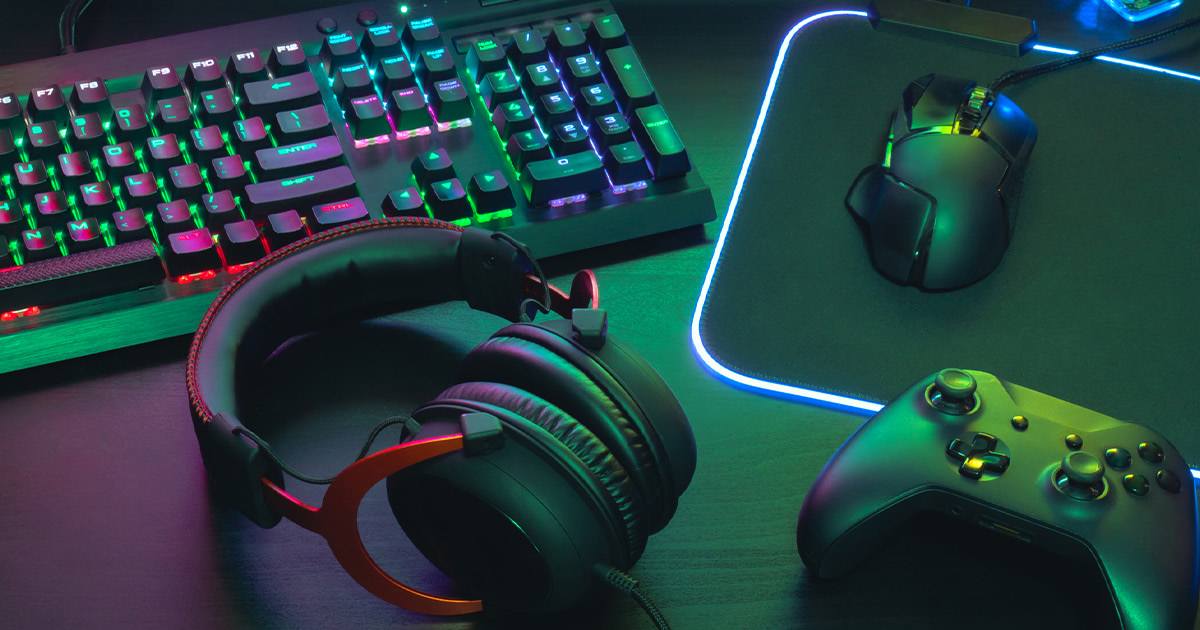
Is your relationship feeling a bit... pixelated lately? Do you find yourself battling for attention against a screen filled with dragons, spaceships, or sports stars? You're not alone. The world of gaming can be a wonderful escape, but it can also create some real-world challenges when it comes to relationships.
Couples often find themselves struggling to connect when one partner dedicates significant time to gaming. Missed dinners, late-night gaming sessions cutting into sleep, and a general feeling of being second fiddle to a virtual world can lead to frustration, resentment, and a sense of isolation. The constant need for "just one more level" can create a divide that feels difficult to bridge.
This article explores how gaming can affect relationships and offers practical strategies for navigating these challenges. We'll delve into the common issues that arise, offering tips for both gamers and their partners to foster understanding, communication, and a healthier balance between the virtual world and real-life connection. It's about finding a way for both of you to level up together, rather than compete for the controller.
In essence, we'll be covering how excessive gaming can lead to neglect, communication breakdowns, and feelings of inadequacy within a relationship. We'll also discuss the importance of setting boundaries, finding shared activities, and seeking professional help when needed. The goal is to help couples navigate the challenges of gaming in a relationship and build a stronger, more fulfilling connection.
The Gamer's Perspective
It's easy for those outside the gaming world to see it as just a hobby, or even worse, a waste of time. But for many, gaming is a passion, a way to unwind, connect with friends, and even explore creative problem-solving. I remember when I first got into online gaming, I was hooked! The sense of community, the challenge of overcoming obstacles with my team, it was exhilarating. My partner at the time, however, didn't quite see it the same way. Initially, she was supportive, but as my gaming hours increased, the tension began to build. She felt like I was prioritizing virtual adventures over spending time with her, and honestly, she wasn't wrong. I was so caught up in achieving goals within the game that I neglected our real-life connection. It took some honest conversations and a conscious effort to re-prioritize our relationship for things to get back on track. Understanding the gamer's perspective involves recognizing the value they find in gaming, whether it's stress relief, social interaction, or a sense of accomplishment. However, it's also crucial for gamers to be mindful of how their hobby impacts their partner and to be willing to compromise and find a healthy balance.
Understanding Your Partner's Frustrations
Often, the non-gaming partner feels left out, neglected, and even jealous of the attention given to the game. They may feel like they're competing with a screen for their loved one's time and affection. What's even more difficult is understandingwhythe game is so important. Is it just entertainment? Is it a social outlet? Is it a way to escape stress? Understanding the root cause of the gaming habit can help the non-gaming partner approach the situation with more empathy and find constructive ways to communicate their needs. For example, if the gaming is a form of stress relief, perhaps suggesting alternative methods of relaxation, like going for a walk together or taking a bath, could be a starting point. The frustration often stems from a lack of understanding and a feeling of being undervalued. Addressing these feelings directly and working together to find solutions is crucial for maintaining a healthy relationship. Remember, open and honest communication is key.
The Myths and Realities of Gaming Addiction
There's a lot of debate about whether "gaming addiction" is a real thing. While it's not officially recognized as a disorder in all diagnostic manuals, the negative impacts of excessive gaming are undeniable. The myth is that all gamers are addicted and neglecting their responsibilities. The reality is that many people enjoy gaming in a healthy and balanced way. However, for some, gaming can become a compulsion that interferes with work, school, relationships, and even basic self-care. A history of escapism or difficulty managing stress can contribute to the development of unhealthy gaming habits. It's important to differentiate between a passionate hobby and a problematic behavior. If gaming is causing significant distress or impairment in other areas of life, it's time to seek professional help. Recognizing the warning signs of problematic gaming, such as neglecting responsibilities, lying about gaming habits, and experiencing withdrawal symptoms when unable to play, is crucial for intervention.
The Hidden Secrets to a Balanced Gaming Relationship
The secret isn't about eliminating gaming altogether, but about finding a way to integrate it into the relationship in a healthy way. This means setting clear boundaries around gaming time, prioritizing quality time together, and communicating openly about needs and expectations. A key "secret" is also to understand each other's love language. Perhaps the gamer's partner feels most loved through acts of service, while the gamer feels most loved through quality time. Finding ways to meet each other's needs in ways that don't conflict with gaming is essential. For example, the gamer could dedicate a specific amount of time each day to help with household chores, while the partner could join the gamer for a short gaming session once a week to show support and understanding. The underlying secret is compromise and a willingness to meet each other halfway.
Recommendations for Navigating Gaming Challenges
First and foremost, communication is key. Talk to your partner about your concerns and listen to their perspective without judgment. Try to understand why gaming is important to them and what needs they are fulfilling through it. Second, set clear boundaries around gaming time. Agree on specific times when gaming is allowed and times when it's not. Make sure to prioritize quality time together and avoid allowing gaming to interfere with important activities like meals, family events, or dates. Third, find shared activities that you both enjoy. This will help strengthen your bond and create a sense of connection outside of the gaming world. Finally, don't be afraid to seek professional help if you're struggling to navigate these challenges on your own. A therapist or counselor can provide guidance and support to help you communicate effectively and find solutions that work for both of you. Remember, the goal is to find a balance that allows both partners to feel valued, respected, and loved.
Recognizing Problematic Gaming Behavior
Problematic gaming behavior extends beyond simply enjoying video games. It involves a pattern of excessive gaming that leads to negative consequences in other areas of life. This can manifest in several ways, including neglecting responsibilities at work or school, sacrificing sleep and personal hygiene, isolating oneself from friends and family, and experiencing irritability or anxiety when unable to play. A key indicator is the inability to control gaming habits, despite a desire to do so. The individual may attempt to cut back on gaming but find themselves unable to stick to their goals. Another sign is using gaming as a way to cope with negative emotions, such as stress, anxiety, or depression. While gaming can be a temporary distraction from these feelings, it doesn't address the underlying issues and can ultimately exacerbate them. Recognizing these patterns is crucial for seeking help and addressing the underlying issues that contribute to problematic gaming behavior.
Tips for Gamers to Improve Their Relationship
One of the most important things you can do as a gamer is to be mindful of how your gaming habits are affecting your partner. Make a conscious effort to prioritize quality time together, even if it means sacrificing some gaming time. Schedule regular date nights, plan fun activities outside of the house, and make sure to give your partner your undivided attention when you're spending time together. Communicate openly and honestly about your gaming habits and be willing to compromise. If your partner expresses concerns about your gaming, listen to them without getting defensive and work together to find solutions that address their needs. Show your partner that you value them and appreciate their support. Express your love and affection regularly, and make sure to let them know how much they mean to you. Remember, a healthy relationship requires effort and commitment from both partners. By being mindful of your gaming habits and prioritizing your relationship, you can create a stronger and more fulfilling connection with your partner.
Practical Strategies for Non-Gamers
For those who aren't avid gamers, it can be challenging to understand the appeal of spending hours in a virtual world. However, it's important to approach the situation with empathy and a willingness to learn. Start by asking your partner about their favorite games and what they enjoy about them. Showing genuine interest in their hobby can go a long way in fostering understanding and connection. Try to find common ground by suggesting games that you can play together, even if it's just for a short period of time. This can be a fun way to bond and experience their world firsthand. Set clear boundaries for yourself as well. It's okay to express your needs and expectations regarding their gaming habits, but do so in a respectful and non-judgmental way. Avoid nagging or criticizing their hobby, as this will likely lead to defensiveness and resentment. Instead, focus on communicating your feelings in a calm and constructive manner. Remember, the goal is to find a compromise that works for both of you.
Fun Facts About Gaming and Relationships
Did you know that some couples actually bond over gaming? Playing cooperative games together can be a fun way to work as a team, solve problems, and create shared experiences. Studies have even shown that playing video games together can increase intimacy and communication between partners. On the other hand, gaming can also be a source of conflict. A survey found that excessive gaming is a common cause of arguments between couples, often leading to feelings of neglect and resentment. Interestingly, the type of game being played can also impact relationships. Competitive games, where players compete against each other, can sometimes lead to more tension and conflict than cooperative games, where players work together towards a common goal. Despite the potential challenges, many couples have successfully navigated the world of gaming and maintained healthy, fulfilling relationships. The key is open communication, mutual respect, and a willingness to compromise.
How to Set Healthy Boundaries in a Gaming Relationship
Setting boundaries is crucial for maintaining a healthy balance between gaming and relationship time. This involves establishing clear expectations about when gaming is allowed and when it's not, as well as prioritizing quality time together. One effective strategy is to create a schedule that allocates specific times for gaming, work, and relationship activities. This helps ensure that all areas of life receive adequate attention and prevents gaming from encroaching on other important commitments. It's also important to establish "no-gaming zones," such as during meals, bedtime, or family events. These are times when technology should be put away and the focus should be on connecting with each other. Enforcing these boundaries requires consistency and communication. If one partner violates the agreed-upon rules, it's important to address the issue calmly and constructively. Remember, boundaries are not meant to be restrictive, but rather to create a framework that supports a healthy and balanced lifestyle for both partners.
What If Gaming is the Only Thing You Have in Common?
Sometimes, couples find that gaming is the primary activity they share, and it can feel concerning if other connections seem lacking. In these situations, it's essential to explore other potential shared interests. Think back to what initially attracted you to each other, or brainstorm new hobbies you might both enjoy. Trying new things together, like cooking classes, hiking, or attending local events, can help diversify your relationship and create new avenues for connection. If gaming is the foundation of your relationship, focus on making those gaming sessions more interactive and engaging. Instead of passively watching your partner play, ask questions about the game, offer support, or even try playing alongside them. This can help bridge the gap and make you feel more involved in their world. However, it's also important to acknowledge that having some separate interests is healthy and normal. It allows both partners to maintain their individuality and bring new experiences to the relationship. The key is to find a balance between shared activities and individual pursuits.
List of Common Gaming-Related Relationship Issues
Here's a quick rundown of common problems that arise in relationships impacted by gaming: 1. Neglect: One partner feels neglected due to the other's excessive gaming.
2. Communication Breakdown: Difficulty communicating needs and concerns related to gaming habits.
3. Resentment: One partner resents the amount of time and attention the other dedicates to gaming.
4. Financial Strain: Spending excessive amounts of money on games or related equipment.
5. Sleep Deprivation: Gaming late into the night and affecting sleep patterns.
6. Social Isolation: Withdrawing from social activities and spending more time gaming alone.
7. Conflict and Arguments: Frequent arguments about gaming habits and their impact on the relationship.
8. Lack of Intimacy: Decreased physical and emotional intimacy due to gaming-related fatigue and disengagement.
9. Feeling Second Best: One partner feels like they are competing with the game for their partner's attention and affection.
10. Unrealistic Expectations: The gamer has unrealistic expectations about the relationship due to online interactions or game narratives. Recognizing these issues is the first step towards addressing them and finding solutions that work for both partners.
Question and Answer Section
Q: My partner games all the time. I feel neglected. What can I do?
A: The first step is to communicate your feelings calmly and honestly. Explain how their gaming is making you feel without blaming or criticizing. Suggest specific times when you'd like to have their undivided attention and propose alternative activities you can do together.
Q: I love gaming, but my partner hates it. How can we find a compromise?
A: Try to understand your partner's perspective. Why do they dislike gaming? Are they feeling neglected or are they simply not interested? Set clear boundaries for your gaming time and make sure to prioritize quality time together. Consider finding games you can play together or exploring other shared interests.
Q: My partner spends a lot of money on games. It's affecting our finances. What should I do?
A: Have an open and honest conversation about your finances and how gaming expenses are impacting your budget. Set a budget for gaming-related spending and stick to it. Consider creating a joint account for shared expenses and a separate account for personal spending.
Q: We've tried everything, but we're still struggling. Should we seek professional help?
A: If you're unable to resolve your gaming-related issues on your own, seeking professional help from a therapist or counselor can be beneficial. A therapist can provide guidance and support to help you communicate effectively, set healthy boundaries, and find solutions that work for both of you.
Conclusion of Gaming Relationship Problems: How Gaming Affects Relationships
Navigating the challenges of gaming in a relationship requires understanding, communication, and compromise. By recognizing the potential pitfalls, setting healthy boundaries, and prioritizing quality time together, couples can find a balance that allows both partners to thrive. Remember, gaming doesn't have to be a source of conflict. With open communication and a willingness to work together, it can even be a shared activity that strengthens your bond. The key is to approach the situation with empathy, understanding, and a commitment to building a stronger, more fulfilling relationship.
Post a Comment