Gaming Sleep Hygiene: Healthy Gaming Schedule for Sleep
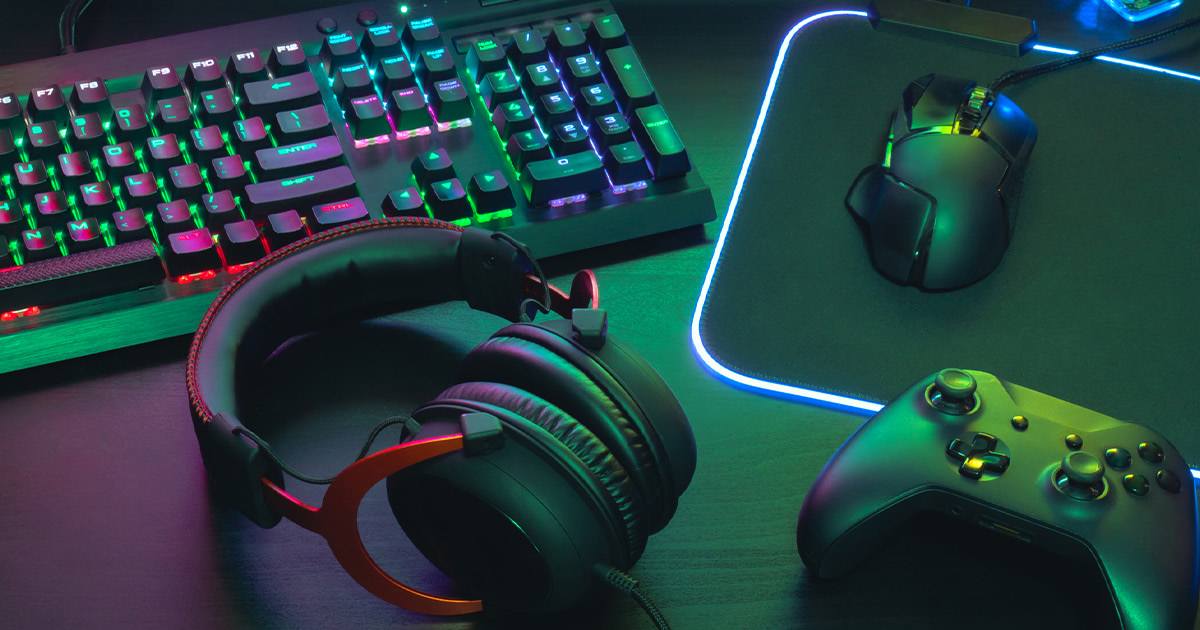
Ever find yourself staring at the ceiling at 3 AM, your mind racing after an intense gaming session? You're not alone. Many gamers struggle with winding down and getting a good night's sleep after hours spent immersed in virtual worlds.
The drive to climb the leaderboard, finish that quest, or just enjoy one more match can often push us to game late into the night. This leaves us feeling wired when we finally decide to turn off the console, making it difficult to fall asleep. Then, the next day, we're tired and sluggish, which can impact our performance in the game and every other aspect of our lives.
This article aims to help you understand the importance of a healthy gaming schedule and how it directly impacts your sleep. We'll explore practical tips and strategies to balance your passion for gaming with your need for rest, so you can enjoy your favorite games without sacrificing your sleep quality or overall well-being.
In summary, we'll be diving into practical strategies for crafting a gaming schedule that promotes healthy sleep habits. This involves understanding the impact of blue light, incorporating relaxation techniques, setting boundaries for playtime, and creating a calming bedtime routine. By implementing these techniques, you can achieve the ultimate goal: gaming enjoyment without sacrificing your precious sleep. So, let's embark on a journey to enhance your sleep and gaming experiences simultaneously. We will discuss blue light, relaxation, techniques, playtime boundaries, and calming bedtime routines.
The Impact of Blue Light on Sleep
I remember when I first got into PC gaming. I would spend hours glued to the screen, lost in the immersive worlds of RPGs and strategy games. The problem? I'd try to go to sleep immediately after, only to toss and turn for hours. My mind would still be racing, and I'd feel incredibly restless. It wasn't until I started researching sleep hygiene that I realized the culprit was likely the blue light emitted from my monitor.
Blue light, a high-energy visible light, suppresses the production of melatonin, a hormone that regulates our sleep-wake cycle. When we're exposed to blue light in the evening, it signals to our brain that it's still daytime, making it harder to fall asleep and stay asleep.
For gamers, this can be a significant issue because we often spend extended periods in front of screens, especially during the evening hours. The solution? Limiting your exposure to blue light before bed. This can be achieved through various methods, such as using blue light filters on your devices, installing blue light-blocking apps, or wearing blue light-blocking glasses. Additionally, consider dimming the lights in your room and avoiding other sources of blue light, such as LED lighting, at least an hour before bedtime. By reducing your blue light exposure, you can help your body naturally produce melatonin and prepare for a restful night's sleep.
Crafting a Relaxing Pre-Sleep Routine
A relaxing pre-sleep routine is crucial for signaling to your body that it's time to wind down and prepare for sleep. This routine can involve various activities that promote relaxation and reduce stress. The goal is to create a calming transition from the stimulating world of gaming to the tranquility of sleep.
Consider incorporating activities such as reading a book (a physical book, not an e-reader!), taking a warm bath or shower, listening to soothing music, or practicing meditation or deep breathing exercises. Avoid activities that are stimulating or stressful, such as watching TV, browsing social media, or engaging in intense conversations.
It's also important to establish a consistent bedtime and wake-up time, even on weekends. This helps regulate your body's natural sleep-wake cycle and makes it easier to fall asleep and wake up at the same time each day. By creating a relaxing pre-sleep routine and maintaining a consistent sleep schedule, you can significantly improve your sleep quality and wake up feeling refreshed and energized.
The History and Myth of Gaming and Sleep
The relationship between gaming and sleep has been a topic of discussion since the early days of video games. In the past, late-night gaming sessions were often associated with negative stereotypes, such as laziness and addiction. However, as gaming has become more mainstream, so has the understanding of its potential impact on sleep.
One common myth is that all video games are equally detrimental to sleep. In reality, the type of game you play can significantly influence its effect on your sleep. For example, highly competitive or action-packed games may be more stimulating and disruptive to sleep than puzzle games or strategy games.
Another myth is that you can "catch up" on sleep debt by sleeping in on weekends. While sleeping in can help alleviate some of the effects of sleep deprivation, it's not a sustainable solution. Chronic sleep deprivation can have long-term health consequences, including increased risk of heart disease, diabetes, and obesity.
The truth is that gaming, like any other activity, can have both positive and negative effects on sleep, depending on how it's managed. By understanding the potential impact of gaming on sleep and implementing strategies to mitigate those effects, you can enjoy your favorite games without sacrificing your sleep quality.
Unlocking the Hidden Secrets of Gaming Sleep Hygiene
The hidden secret to better sleep as a gamer lies in understanding the interconnectedness of various factors that influence your sleep-wake cycle. It's not just about limiting your screen time before bed; it's about optimizing your entire lifestyle to support healthy sleep habits.
One often overlooked factor is the impact of your diet on sleep. Consuming sugary or caffeinated beverages before bed can disrupt your sleep, while eating a heavy meal can lead to indigestion and discomfort. Instead, opt for light, healthy snacks and avoid caffeine and alcohol in the hours leading up to bedtime.
Another hidden secret is the importance of exercise. Regular physical activity can improve your sleep quality, but it's best to avoid intense workouts close to bedtime. Aim to exercise earlier in the day to allow your body time to wind down before sleep.
Finally, pay attention to your sleep environment. Make sure your bedroom is dark, quiet, and cool. Invest in a comfortable mattress and pillows, and consider using a white noise machine or earplugs to block out distractions. By addressing these hidden factors, you can create a sleep-promoting environment that helps you fall asleep faster and sleep more soundly.
Recommendations for a Healthy Gaming Schedule
Creating a healthy gaming schedule involves setting realistic boundaries and prioritizing sleep. Start by assessing your current gaming habits and identifying areas where you can make adjustments.
One recommendation is to establish a cut-off time for gaming each night. This should be at least an hour or two before your bedtime to allow your body time to wind down. During this time, avoid engaging in any stimulating activities, such as watching TV or browsing social media.
Another recommendation is to schedule your gaming sessions strategically. If you know you have a busy day ahead, consider limiting your gaming time the night before to ensure you get enough sleep. Conversely, if you have a free day, you can indulge in longer gaming sessions, but still be mindful of your overall sleep schedule.
It's also important to communicate your gaming schedule to your family and friends. This can help them understand your need for sleep and avoid interrupting you during your designated wind-down time. By implementing these recommendations, you can create a gaming schedule that supports healthy sleep habits and allows you to enjoy your favorite games without sacrificing your well-being.
The Importance of Consistency in Your Sleep Schedule
Consistency is key when it comes to establishing healthy sleep habits. This means going to bed and waking up at the same time each day, even on weekends. Maintaining a consistent sleep schedule helps regulate your body's natural sleep-wake cycle, also known as your circadian rhythm.
When your circadian rhythm is aligned, your body naturally releases hormones that promote sleepiness at night and wakefulness in the morning. This makes it easier to fall asleep and wake up at the same time each day, without feeling groggy or tired.
However, when your sleep schedule is inconsistent, your circadian rhythm becomes disrupted. This can lead to various sleep problems, such as insomnia, difficulty falling asleep, and daytime sleepiness. To maintain a consistent sleep schedule, try to stick to your bedtime and wake-up time as closely as possible, even on weekends. Avoid sleeping in for more than an hour or two, as this can throw off your circadian rhythm. If you have trouble falling asleep, try implementing a relaxing pre-sleep routine to help your body wind down.
Tips for Better Sleep as a Gamer
Improving your sleep as a gamer involves a multifaceted approach that addresses various aspects of your lifestyle. Here are some practical tips to help you sleep better:
1.Limit your caffeine and alcohol intake: Both caffeine and alcohol can disrupt your sleep, especially when consumed close to bedtime. Avoid caffeine in the afternoon and evening, and limit your alcohol consumption to one or two drinks, several hours before bed.
2.Create a relaxing sleep environment: Make sure your bedroom is dark, quiet, and cool. Use blackout curtains to block out light, earplugs to block out noise, and a fan or air conditioner to keep the temperature comfortable.
3.Get regular exercise: Regular physical activity can improve your sleep quality, but avoid intense workouts close to bedtime.
4.Manage stress: Stress can interfere with your sleep. Practice relaxation techniques such as meditation, deep breathing, or yoga to help manage stress.
5.Consider a sleep supplement: Certain sleep supplements, such as melatonin or magnesium, may help improve your sleep quality. However, it's important to talk to your doctor before taking any supplements, especially if you have any underlying health conditions.
By implementing these tips, you can create a sleep-promoting environment and lifestyle that helps you fall asleep faster, sleep more soundly, and wake up feeling refreshed and energized.
The Role of Napping in a Gamer's Sleep Schedule
Napping can be a beneficial tool for gamers, especially when dealing with late-night gaming sessions or irregular sleep schedules. However, it's important to nap strategically to avoid disrupting your nighttime sleep.
The ideal nap length is typically 20-30 minutes, known as a "power nap." This length allows you to reap the benefits of napping, such as improved alertness and cognitive function, without entering deep sleep, which can leave you feeling groggy upon waking.
Avoid napping for longer than 30 minutes, as this can disrupt your sleep-wake cycle and make it harder to fall asleep at night. If you're feeling excessively tired during the day, consider taking a longer nap, but be prepared to feel groggy for a while afterward.
It's also important to time your naps correctly. Avoid napping too close to bedtime, as this can interfere with your ability to fall asleep at night. Aim to nap in the early afternoon, ideally between 1:00 PM and 3:00 PM. By napping strategically, you can improve your daytime alertness and cognitive function without disrupting your nighttime sleep.
Fun Facts About Sleep and Gaming
Did you know that professional gamers often have sleep coaches to help them optimize their sleep schedules for peak performance? Just like athletes in other sports, sleep is recognized as a critical component of success in esports.
Another fun fact is that certain video games have been shown to improve cognitive function, such as memory and attention. However, it's important to note that these benefits are typically associated with specific types of games, such as puzzle games and strategy games, and not with all video games.
Additionally, studies have shown that sleep deprivation can negatively impact gaming performance. Gamers who are sleep-deprived tend to have slower reaction times, decreased accuracy, and impaired decision-making abilities.
Finally, the gaming industry has started to recognize the importance of sleep and is incorporating features into games that promote healthy sleep habits. For example, some games have built-in timers that remind players to take breaks, while others offer options to reduce blue light exposure. These fun facts highlight the growing awareness of the relationship between sleep and gaming and the importance of prioritizing sleep for both performance and overall well-being.
How to Create a Gaming Sleep Hygiene Plan
Creating a personalized gaming sleep hygiene plan involves assessing your current sleep habits, identifying areas for improvement, and implementing strategies to promote healthy sleep. Start by keeping a sleep diary for a week or two to track your sleep patterns, including your bedtime, wake-up time, sleep duration, and any factors that may be affecting your sleep, such as caffeine intake or stress levels.
Once you have a better understanding of your sleep habits, you can start to identify areas where you can make improvements. For example, if you're consistently going to bed late and struggling to fall asleep, you may need to adjust your gaming schedule and implement a relaxing pre-sleep routine.
Next, set realistic goals for improving your sleep. Don't try to make too many changes at once, as this can be overwhelming and lead to frustration. Instead, focus on making small, gradual changes over time.
Finally, be patient and persistent. It takes time to establish healthy sleep habits, so don't get discouraged if you don't see results immediately. Stick with your plan, and eventually, you'll start to notice improvements in your sleep quality and overall well-being. Remember, the key is to find a balance between your passion for gaming and your need for restful sleep.
What If You Can't Improve Your Gaming Sleep Hygiene?
Despite your best efforts, sometimes improving your gaming sleep hygiene can be challenging. What if you've tried everything and you're still struggling to fall asleep or stay asleep? In these situations, it's important to consider seeking professional help.
A sleep specialist can evaluate your sleep patterns and identify any underlying sleep disorders that may be contributing to your sleep problems. Sleep disorders such as insomnia, sleep apnea, and restless legs syndrome can significantly impact your sleep quality and require medical treatment.
In addition to seeking medical help, it's also important to address any underlying mental health issues that may be affecting your sleep. Anxiety, depression, and stress can all interfere with your sleep and make it harder to fall asleep and stay asleep.
If you're struggling to manage your mental health, consider talking to a therapist or counselor. They can help you develop coping mechanisms for managing stress and anxiety and improve your overall well-being. Remember, seeking help is a sign of strength, not weakness. By addressing any underlying medical or mental health issues, you can improve your sleep and overall quality of life.
Listicle of Tips to Improve Sleep as a Gamer
Here's a listicle of tips to enhance your sleep quality as a gamer, ensuring you're always at your peak performance:
1.Set a Gaming Curfew: Establish a clear cut-off time for gaming each night to allow your mind and body to wind down.
2.Blue Light Blocking: Use blue light filters on your devices or wear blue light-blocking glasses, especially in the evening.
3.Relaxation Techniques: Incorporate relaxation techniques like meditation, deep breathing, or gentle stretching into your pre-sleep routine.
4.Consistent Sleep Schedule: Maintain a consistent bedtime and wake-up time, even on weekends, to regulate your body's natural sleep-wake cycle.
5.Optimize Your Sleep Environment: Create a dark, quiet, and cool sleep environment to promote restful sleep.
6.Limit Caffeine and Alcohol: Avoid caffeine and alcohol in the hours leading up to bedtime, as they can disrupt your sleep.
7.Strategic Napping: If you nap, keep it short (20-30 minutes) and avoid napping too close to bedtime.
8.Regular Exercise: Engage in regular physical activity, but avoid intense workouts close to bedtime.
9.Hydration Awareness: Avoid drinking too much water before bed.
10.Seek Professional Help: If you're struggling with persistent sleep problems, consider seeking help from a sleep specialist.
Question and Answer about Gaming Sleep Hygiene
Q: How long before bed should I stop gaming?
A: Ideally, you should stop gaming at least one to two hours before bed to allow your mind and body time to wind down.
Q: What are some good pre-sleep relaxation techniques?
A: Some effective pre-sleep relaxation techniques include reading a book (not an e-reader), taking a warm bath or shower, listening to calming music, or practicing meditation or deep breathing exercises.
Q: Can I still game on weekends if I want to maintain a consistent sleep schedule?
A: Yes, you can still game on weekends, but try to stick to your regular bedtime and wake-up time as much as possible. Avoid sleeping in for more than an hour or two, as this can disrupt your sleep-wake cycle.
Q: What should I do if I'm struggling to fall asleep?
A: If you're struggling to fall asleep, get out of bed and do something relaxing, such as reading or listening to music. Avoid looking at screens or engaging in stimulating activities. Once you feel sleepy, go back to bed.
Conclusion of Gaming Sleep Hygiene
Prioritizing your sleep as a gamer is not just about enhancing your performance in the game; it's about improving your overall health and well-being. By understanding the impact of gaming on sleep and implementing strategies to promote healthy sleep habits, you can enjoy your favorite games without sacrificing your precious sleep. Remember to set realistic boundaries, create a relaxing pre-sleep routine, and maintain a consistent sleep schedule. By doing so, you can achieve the ultimate goal: gaming enjoyment without sacrificing your precious sleep.
Post a Comment