Gaming Teamwork Benefits: Collaboration Skills from Gaming
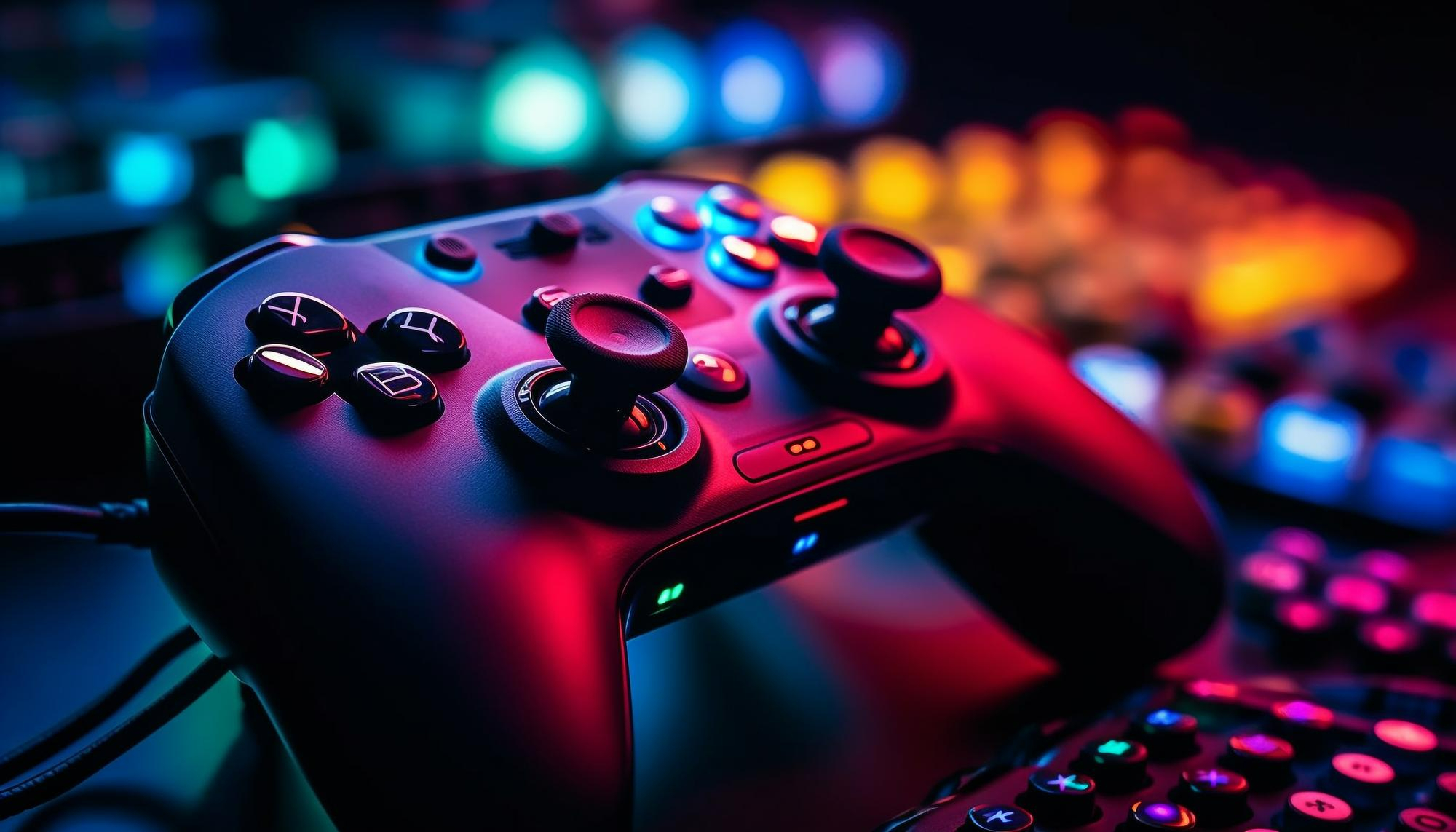
Ever wondered if all those hours spent glued to a screen, strategizing with teammates in virtual worlds, could actually be doing you some good? It might sound crazy, but gaming, especially when it involves teamwork, can cultivate some seriously valuable collaboration skills. Forget the stereotype of the lone wolf gamer; the reality is often about coordinated attacks, shared resources, and split-second decisions made as a group.
Sometimes, it feels like real-world teamwork is a constant struggle. Miscommunication, conflicting personalities, and differing goals can make even the simplest projects feel like climbing Mount Everest. Wouldn't it be amazing if there were a way to practice and hone your collaborative abilities in a less stressful, more engaging environment? Something where the stakes are lower, and the learning curve is fun?
This is precisely where the world of gaming steps in. When you're part of a gaming team, whether it's conquering a dungeon in an MMORPG or coordinating a clutch play in a competitive shooter, you're actively developing essential collaboration skills. Skills that can translate directly to improved performance in school, at work, and even in your personal relationships. We're talking communication, problem-solving, leadership, and adaptability – all wrapped up in a package of virtual fun.
So, put down the controller (for a minute!) and let's explore how the teamwork you experience in gaming can actually benefit you in the real world. We'll delve into the specific skills you're honing without even realizing it, the ways gaming can help you become a better collaborator, and even some surprising historical and fun facts about teamwork in gaming. Get ready to level up your teamwork skills!
Personal Experience: From Noob to Team Player
I remember the first time I truly understood the power of teamwork in a game. It was in a massively multiplayer online role-playing game (MMORPG), and I was a complete newbie, or "noob," as they say. I stumbled into a guild of experienced players who were planning a raid on a notoriously difficult dungeon. Feeling completely out of my depth, I almost backed out, figuring I'd just be a burden. But the guild leader, a patient and encouraging player, insisted I join, assuring me they'd guide me through it. What followed was a masterclass in collaborative problem-solving. Each member of the team had a specific role to play, from the tank absorbing damage to the healer keeping everyone alive. Communication was constant and crucial. We used voice chat to coordinate our movements, warn each other of impending dangers, and adjust our strategy on the fly. There were moments of frustration, of course – wipes (when the entire team dies) were common. But instead of blaming each other, we analyzed our mistakes, discussed alternative tactics, and tried again. Slowly but surely, we learned to work together seamlessly. We anticipated each other's moves, covered each other's weaknesses, and celebrated our successes as a team. When we finally defeated the final boss, the sense of accomplishment was immense. It wasn't just about individual skill; it was about our ability to collaborate effectively, to leverage each other's strengths, and to overcome challenges as a unified whole. This experience changed my perspective on teamwork, not just in games, but in life. I realized that true success often depends on the ability to work effectively with others, to communicate clearly, and to trust in the skills and expertise of your teammates. Gaming had taught me a lesson that I still carry with me today.
What is Gaming Teamwork?
Gaming teamwork, at its core, is the collaborative effort required to achieve a shared objective within a game environment. It goes beyond simply playing alongside other people; it involves active communication, strategic planning, role assignment, and mutual support. Whether it's coordinating attacks in a multiplayer online battle arena (MOBA) like League of Legends, building intricate structures in a survival game like Minecraft, or executing complex heists in a cooperative shooter like Payday 2, teamwork is often the key to victory. The dynamics of gaming teamwork can vary widely depending on the game genre and the specific goals of the team. Some games require highly specialized roles and responsibilities, demanding precise coordination and communication. Others allow for more flexible approaches, encouraging players to adapt to changing circumstances and leverage their individual strengths. Regardless of the specific context, however, the fundamental principles of effective teamwork remain the same. Clear communication is essential for conveying information, coordinating actions, and resolving conflicts. Strategic planning involves developing a shared understanding of the objectives, identifying potential challenges, and devising a course of action. Role assignment ensures that each team member has a clear understanding of their responsibilities and how they contribute to the overall effort. Mutual support involves providing encouragement, assistance, and constructive feedback to fellow teammates. Gaming teamwork provides a unique opportunity to practice and hone these skills in a low-stakes environment, where mistakes are often forgivable and the learning curve is steep. By engaging in collaborative gameplay, individuals can develop their ability to communicate effectively, solve problems creatively, and work towards common goals as part of a team.
History and Myths of Gaming Teamwork
The history of gaming teamwork is as old as multiplayer gaming itself. Early arcade games like "Gauntlet" and "Teenage Mutant Ninja Turtles" required players to cooperate to survive hordes of enemies. However, these were often more about survival than complex strategies. The real explosion of gaming teamwork came with the rise of online multiplayer games in the late 1990s and early 2000s. Games like "Counter-Strike" and "Ever Quest" demanded coordination and communication on a scale never seen before. Guilds and clans formed, creating tight-knit communities built around shared goals and collaborative gameplay. However, alongside the rise of teamwork came certain myths and misconceptions. One common myth is that gaming teamwork is only about following orders. In reality, the best gaming teams are those where every member feels empowered to contribute ideas and take initiative. Another myth is that individual skill is more important than teamwork. While individual skill is certainly valuable, it's often the ability to work together effectively that separates winning teams from losing ones. A team of average players who communicate well and coordinate their actions can often outperform a team of highly skilled individuals who lack cohesion. There's also the misconception that online anonymity breeds toxicity and hinders teamwork. While online toxicity is certainly a problem in some gaming communities, it's not inherent to all of them. Many gaming communities foster positive and supportive environments where teamwork is valued and encouraged. In fact, the anonymity of online gaming can sometimes make it easier for individuals to express themselves and take risks, leading to more creative and innovative teamwork. By dispelling these myths and misconceptions, we can gain a more nuanced understanding of the true potential of gaming teamwork. It's not just about winning or losing; it's about developing essential collaboration skills that can benefit us in all aspects of our lives.
Hidden Secrets of Gaming Teamwork
Beyond the obvious benefits of improved communication and coordination, gaming teamwork holds some surprising hidden secrets. One such secret lies in the development of nonverbal communication skills. While voice chat is a common tool in many games, experienced teams often develop a shared understanding that transcends spoken words. They learn to anticipate each other's movements, react to subtle cues, and coordinate actions with minimal verbal communication. This ability to communicate nonverbally can be invaluable in real-world situations, such as negotiations, presentations, and even everyday social interactions. Another hidden secret of gaming teamwork is the cultivation of emotional intelligence. Working effectively with others requires an understanding of their emotions, motivations, and perspectives. In a high-pressure gaming environment, it's essential to be able to manage your own emotions and respond empathetically to the emotions of your teammates. This involves recognizing signs of frustration, anger, or discouragement and responding in a way that promotes positivity and cohesion. Furthermore, gaming teamwork can foster a sense of shared identity and belonging. When you're part of a team that's working towards a common goal, you develop a sense of connection and loyalty to your teammates. This sense of belonging can be particularly valuable for individuals who struggle with social anxiety or feelings of isolation. By providing a safe and supportive environment for interaction, gaming teamwork can help individuals build confidence, develop social skills, and forge meaningful connections with others. The hidden secrets of gaming teamwork lie not just in the development of specific skills, but in the fostering of personal growth and social connection. By embracing the collaborative nature of gaming, we can unlock our potential and build stronger, more resilient relationships with others.
Recommendations for Gaming Teamwork
If you're looking to maximize the benefits of gaming teamwork, here are some recommendations to keep in mind. First and foremost, choose games that emphasize teamwork and collaboration. While many games offer multiplayer modes, some are specifically designed to encourage cooperative gameplay. Games like "Overwatch," "Rainbow Six Siege," and "Destiny 2" require players to work together strategically to achieve victory. Look for games that reward teamwork and punish individualistic behavior. Secondly, actively seek out opportunities to join or form a team. Joining an existing team can provide a valuable learning experience, allowing you to observe and learn from more experienced players. Forming your own team can give you the opportunity to develop your leadership skills and shape the team's culture. Thirdly, prioritize communication and coordination. Use voice chat or text chat to communicate with your teammates, share information, and coordinate actions. Be clear, concise, and respectful in your communication. Listen actively to your teammates and be open to their ideas. Fourthly, embrace diversity and inclusivity. The best gaming teams are those that welcome players from diverse backgrounds, with different skills, perspectives, and experiences. Avoid making assumptions or stereotypes based on gender, race, or any other characteristic. Create a safe and supportive environment where everyone feels valued and respected. Finally, don't be afraid to experiment and try new things. Gaming is all about exploration and discovery. Try different roles, strategies, and tactics. Be willing to take risks and learn from your mistakes. By embracing a spirit of experimentation, you can unlock new levels of teamwork and collaboration. Remember, the goal is not just to win, but to learn, grow, and have fun together.
Specific Games That Promote Teamwork
There are countless games that offer opportunities for teamwork, but some stand out for their emphasis on collaboration and communication. "League of Legends," a popular MOBA, requires players to coordinate their attacks, defend their base, and support their teammates. "Overwatch," a hero shooter, features a diverse cast of characters with unique abilities, requiring players to work together strategically to counter enemy compositions. "Rainbow Six Siege," a tactical shooter, demands precise communication and coordination to breach enemy defenses and secure objectives. "Destiny 2," a cooperative shooter, encourages players to form fireteams and tackle challenging raids together. "Minecraft," a sandbox game, allows players to build intricate structures and collaborate on large-scale projects. These are just a few examples, and the best game for you will depend on your personal preferences and playstyle. However, by choosing games that prioritize teamwork, you can create a more engaging and rewarding gaming experience. Furthermore, consider exploring games with built-in tools for communication and collaboration, such as voice chat, text chat, and team management features. These tools can facilitate communication, streamline coordination, and foster a sense of community among teammates. Don't be afraid to try out different games and find the ones that best suit your needs and interests. The key is to choose games that challenge you to work together with others and reward teamwork over individual skill. By doing so, you can unlock the full potential of gaming teamwork and reap the many benefits that it has to offer.
Tips for Effective Gaming Teamwork
To truly excel at gaming teamwork, consider these practical tips. Establish clear roles and responsibilities. Before starting a game, discuss with your teammates who will be responsible for each role. This ensures that everyone knows what they're supposed to do and avoids confusion or overlap. Communicate proactively. Don't wait for problems to arise before communicating. Regularly share information, coordinate actions, and provide feedback to your teammates. Use clear and concise language, and avoid jargon or slang that may not be understood by everyone. Practice active listening. Pay attention to what your teammates are saying, and ask clarifying questions if needed. Show empathy and understanding, and avoid interrupting or judging their opinions. Provide constructive feedback. When giving feedback, focus on specific behaviors or actions, rather than making personal attacks. Be honest and direct, but also be respectful and supportive. Offer suggestions for improvement, and be willing to learn from your own mistakes. Resolve conflicts peacefully. Disagreements are inevitable in any team setting. When conflicts arise, address them promptly and respectfully. Listen to all sides of the story, and try to find a solution that works for everyone. Avoid escalating the conflict through personal attacks or insults. Celebrate successes together. Take time to acknowledge and celebrate your team's accomplishments, both big and small. This helps to build morale, strengthen relationships, and reinforce positive behaviors. By following these tips, you can create a more positive and productive gaming environment and improve your team's overall performance. Remember, teamwork is a skill that requires practice and dedication. The more you invest in developing your teamwork skills, the more successful you will be in both gaming and life.
Importance of Communication
Communication is the lifeblood of any successful team, and gaming is no exception. Without clear and consistent communication, teams can quickly fall apart, leading to frustration, missed opportunities, and ultimately, defeat. Effective communication involves not only sharing information, but also actively listening, providing feedback, and resolving conflicts. In the heat of battle, quick and concise communication is essential. Teams must be able to relay critical information, such as enemy positions, health status, and tactical plans, in a way that is easily understood by all members. This often requires the use of specific callouts or shorthand terms to communicate quickly and efficiently. However, communication is not just about relaying information; it's also about building trust and rapport among teammates. By actively listening to each other's ideas, providing constructive feedback, and celebrating successes together, teams can create a strong sense of camaraderie and mutual respect. This can lead to improved performance, increased motivation, and a more enjoyable gaming experience. Furthermore, effective communication is essential for resolving conflicts. Disagreements are inevitable in any team setting, but the ability to address them promptly and respectfully can prevent them from escalating into larger problems. By listening to all sides of the story, finding common ground, and working towards mutually beneficial solutions, teams can overcome conflicts and emerge stronger than ever. In conclusion, communication is a critical ingredient for success in gaming teamwork. By prioritizing clear and consistent communication, teams can improve their performance, build stronger relationships, and create a more positive and productive gaming environment.
Fun Facts About Gaming Teamwork
Did you know that professional esports teams often hire coaches and analysts to help them improve their teamwork and communication? These experts analyze gameplay footage, identify areas for improvement, and develop strategies to enhance team cohesion. Some studies have shown that playing cooperative video games can improve real-world social skills and reduce feelings of isolation. This is because gaming teamwork provides a safe and structured environment for individuals to interact with others, practice communication, and build relationships. The concept of "synergy" is often used to describe the phenomenon of teams achieving greater results than the sum of their individual parts. This occurs when team members leverage each other's strengths, compensate for each other's weaknesses, and work together seamlessly towards a common goal. Some of the most successful gaming teams are composed of players from different cultural backgrounds. This diversity can bring a range of perspectives, skills, and experiences to the table, leading to more creative and innovative solutions. However, it also requires a greater emphasis on communication and cultural sensitivity. The term "clutch" is used to describe a situation where a player or team performs exceptionally well under pressure, often against overwhelming odds. These moments of brilliance are often the result of intense focus, effective communication, and unwavering teamwork. Gaming teamwork has been used as a training tool in various industries, including healthcare, aviation, and the military. The simulations provide a safe and controlled environment for individuals to practice decision-making, communication, and coordination under stressful conditions. These fun facts highlight the importance and impact of gaming teamwork, both within the gaming world and beyond. By recognizing the value of collaboration and communication, we can unlock our potential and achieve greater success in all aspects of our lives.
How to Improve Gaming Teamwork
Improving your gaming teamwork takes dedication and conscious effort. Start by actively seeking feedback from your teammates. Ask them what you're doing well and what you could improve upon. Be open to criticism and use it as an opportunity to learn and grow. Practice active listening during team discussions. Pay attention to what your teammates are saying, and ask clarifying questions if needed. Avoid interrupting or dominating the conversation. Develop your communication skills by using clear and concise language, avoiding jargon or slang, and expressing your ideas in a respectful and constructive manner. Work on building trust and rapport with your teammates. Share personal stories, show empathy, and celebrate each other's successes. This helps to create a stronger sense of connection and camaraderie. Learn to manage your emotions effectively. Gaming can be stressful, and it's important to be able to handle frustration, anger, and disappointment in a healthy way. Take breaks when needed, and avoid lashing out at your teammates. Be willing to take on different roles and responsibilities within the team. This allows you to develop a broader range of skills and understand the perspectives of your teammates. Practice strategic thinking by analyzing gameplay footage, identifying patterns, and developing plans to counter your opponents. Collaborate with your teammates to develop innovative strategies and tactics. Finally, be patient and persistent. Improving teamwork takes time and effort. Don't get discouraged by setbacks or failures. Keep practicing, keep learning, and keep communicating. By following these tips, you can significantly improve your gaming teamwork and achieve greater success in your favorite games. Remember, teamwork is not just about winning; it's also about building relationships, developing skills, and having fun.
What if Gaming Teamwork...?
What if gaming teamwork could revolutionize the way we approach collaboration in the real world? Imagine if the skills and strategies honed in virtual environments could be seamlessly translated to workplaces, schools, and communities. What if we could leverage the immersive and engaging nature of gaming to teach people how to communicate effectively, solve problems creatively, and work together towards common goals? What if gaming teamwork could help break down social barriers and foster a greater sense of understanding and empathy among people from different backgrounds? By creating virtual spaces where individuals can interact with each other on equal footing, gaming could help to overcome prejudices and stereotypes. What if gaming teamwork could inspire a new generation of leaders who are skilled at building consensus, empowering others, and driving innovation? The collaborative nature of gaming could help to cultivate these essential leadership qualities. What if gaming teamwork could be used to address some of the world's most pressing challenges? By creating simulations that model complex problems, such as climate change, poverty, and disease, we could engage people in collaborative problem-solving and develop innovative solutions. The possibilities are endless. By recognizing the transformative potential of gaming teamwork, we can unlock new opportunities for collaboration, innovation, and social change. It's time to think beyond the stereotype of the solitary gamer and embrace the power of teamwork in virtual worlds. By doing so, we can create a brighter future for ourselves and for generations to come.
Listicle: Top Benefits of Gaming Teamwork
Here's a listicle highlighting the top benefits of gaming teamwork: Improved Communication Skills: Gaming teamwork requires clear and concise communication, helping players develop their ability to express themselves effectively. Enhanced Problem-Solving Abilities: Collaborative gameplay often involves overcoming obstacles and challenges, fostering creative problem-solving skills. Increased Leadership Potential: Leading a gaming team can provide valuable experience in motivating others, delegating tasks, and making strategic decisions. Enhanced Social Skills: Gaming teamwork can help individuals build relationships, develop empathy, and learn how to navigate social situations. Improved Coordination and Collaboration: Working together towards a common goal requires coordination and collaboration, skills that are transferable to many real-world settings. Increased Strategic Thinking: Gaming teamwork often involves developing and executing strategies, enhancing players' ability to think strategically. Enhanced Emotional Intelligence: Understanding and managing emotions is crucial for effective teamwork, helping players develop their emotional intelligence. Increased Adaptability: Gaming situations can change rapidly, requiring players to adapt quickly and effectively. Improved Time Management: Coordinating schedules and meeting deadlines is essential for successful gaming teamwork, improving time management skills. Enhanced Sense of Community: Gaming teams often form strong bonds, creating a sense of community and belonging. These are just a few of the many benefits of gaming teamwork. By embracing the collaborative nature of gaming, individuals can develop valuable skills and improve their overall well-being. So, the next time you're playing a video game with your friends, remember that you're not just having fun; you're also developing skills that can benefit you in all aspects of your life.
Question and Answer about Gaming Teamwork
Here are some frequently asked questions about gaming teamwork:
Q: What types of games are best for developing teamwork skills?
A: Games that require cooperation, communication, and coordination are ideal. Examples include MOBAs (like League of Legends), hero shooters (like Overwatch), tactical shooters (like Rainbow Six Siege), and cooperative shooters (like Destiny 2).
Q: How can I find a good gaming team to join?
A: Look for online communities, forums, or social media groups dedicated to your favorite games. Many teams actively recruit new members. You can also try forming your own team with friends or acquaintances.
Q: What should I do if I disagree with my teammates during a game?
A: Express your opinions respectfully and constructively. Listen to your teammates' perspectives and try to find a compromise. Avoid personal attacks or escalating the conflict.
Q: How can I improve my communication skills while gaming?
A: Use clear and concise language, avoid jargon or slang, and actively listen to your teammates. Provide feedback and ask clarifying questions when needed. Practice positive and supportive communication.
Conclusion of Gaming Teamwork Benefits: Collaboration Skills from Gaming
In conclusion, the benefits of gaming teamwork extend far beyond the virtual world. By engaging in collaborative gameplay, individuals can develop essential skills in communication, problem-solving, leadership, and adaptability – skills that are highly valued in all aspects of life. From personal experiences that highlight the importance of communication and coordination to historical insights that debunk myths about gaming teamwork, we've explored the multifaceted benefits of collaboration in virtual environments. We've also provided practical recommendations for maximizing the benefits of gaming teamwork, including choosing the right games, joining or forming a team, and prioritizing communication and coordination. By embracing the collaborative nature of gaming, we can unlock our potential, build stronger relationships, and achieve greater success in both gaming and life. So, the next time you pick up a controller or log into your favorite online game, remember that you're not just playing a game; you're also developing valuable skills that can benefit you for years to come. Level up your teamwork skills and reap the rewards!
Post a Comment