Neuroplasticity Gaming: How Games Change Brain Structure
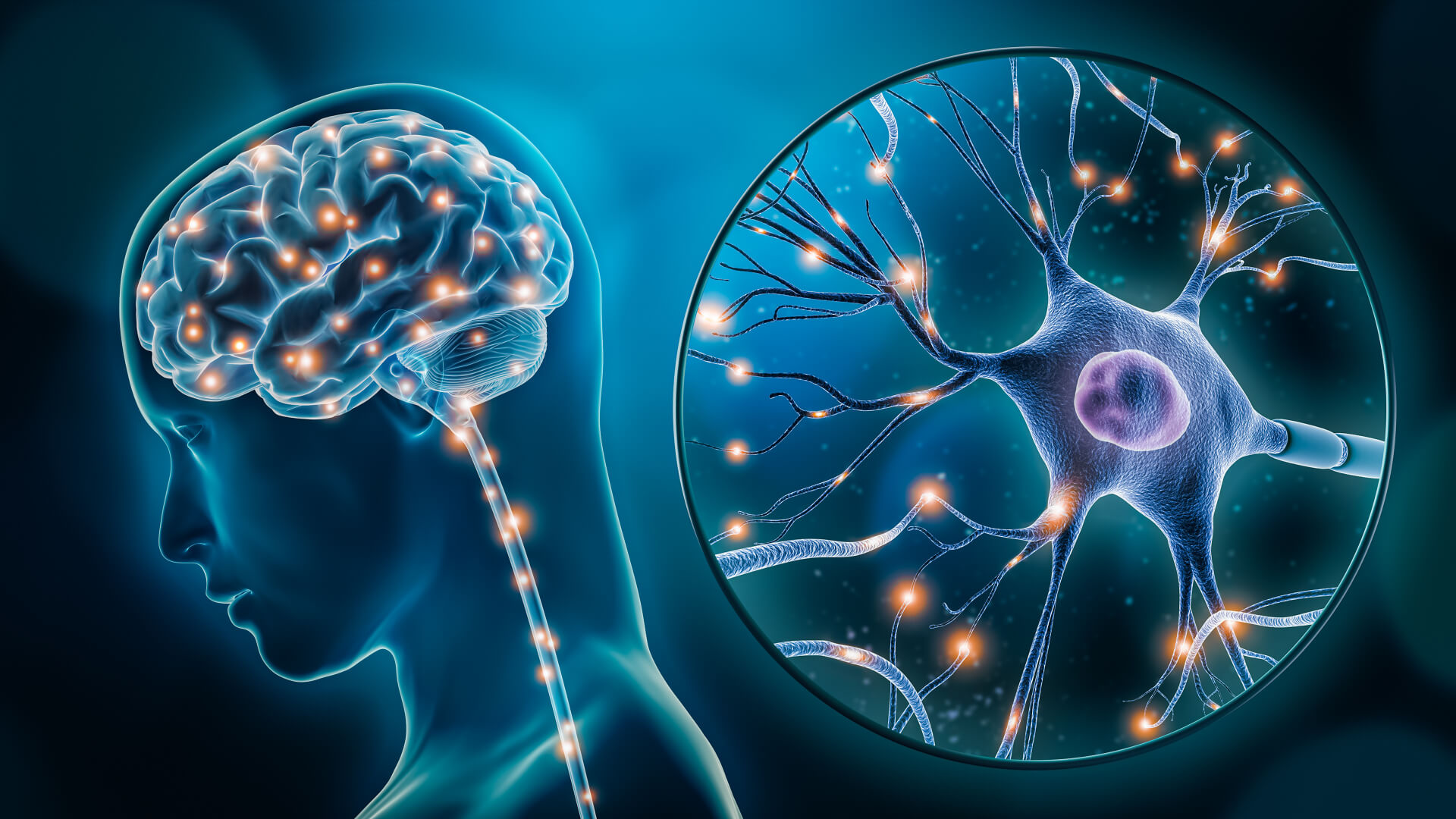
Ever wondered if all those hours spent gaming were actually doing something beneficial for your brain? It might sound too good to be true, but the connection between video games and brain function is more profound than you might think. Prepare to have your perception of gaming transformed!
We often hear about the potential downsides of screen time: the eye strain, the social isolation, maybe even a nagging feeling that we're wasting precious time that could be spent on "more productive" activities. And while moderation is always key, what if some of those hours spent navigating digital worlds were subtly reshaping your brain in positive ways?
This article explores the fascinating world of neuroplasticity and how gaming can actually influence your brain's structure. We'll dive into the science behind this phenomenon and explore how specific games and gaming habits can lead to real, measurable changes in cognitive abilities.
Essentially, gaming isn't just about entertainment; it's a potential workout for your brain. By engaging with complex challenges, problem-solving scenarios, and fast-paced decision-making, video games can stimulate neuroplasticity – the brain's remarkable ability to reorganize itself by forming new neural connections. This can lead to improvements in areas like attention, spatial reasoning, memory, and even multitasking. So, grab your controller, and let's explore how the games we play can sculpt our minds.
My Personal Journey into Neuroplasticity and Gaming
I remember when I first heard the term neuroplasticity.It sounded like something out of a science fiction movie! At the time, I was struggling with focus. My attention span felt incredibly short, especially when trying to learn new things. A friend, knowing my love for strategy games, suggested I explore how they might help. Skeptical but intrigued, I started dedicating time to games that demanded intense concentration and strategic thinking. Games like Star Craft 2and Civilization VI, which required me to juggle multiple tasks, manage resources, and anticipate opponents' moves, became my mental gym. Slowly, I began to notice a difference. My ability to concentrate improved, both in-game and in my everyday life. I could focus on tasks for longer periods and felt less easily distracted. This personal experience fueled my curiosity about the scientific basis behind this change, leading me down the rabbit hole of neuroplasticity research and its connection to gaming. The key takeaway is that the brain is adaptable, and the challenges presented by video games can trigger beneficial changes in its structure and function.
Understanding Neuroplasticity
Neuroplasticity, at its core, is the brain's remarkable capacity to reorganize itself by forming new neural connections throughout life. It's no longer believed that the brain is a static organ, fixed in its structure after a certain age. Instead, our brains are constantly evolving and adapting in response to our experiences, learning, and environment. This incredible ability allows us to learn new skills, recover from brain injuries, and adapt to changing circumstances. Think of it like a muscle; the more you use it, the stronger it becomes. Similarly, the more you engage certain neural pathways through activities like gaming, the more efficient and robust those pathways become. This doesn't just mean getting better at the game itself; it can translate to improvements in related cognitive skills such as problem-solving, spatial reasoning, and even memory. The constant feedback loops and reward systems within games further reinforce these neural pathways, making them even more durable over time. Ultimately, understanding neuroplasticity is crucial for appreciating the potential benefits that strategically chosen games can offer for cognitive enhancement.
History and Myths Surrounding Neuroplasticity and Gaming
The concept of neuroplasticity wasn't always widely accepted. For a long time, the prevailing view was that the brain was largely fixed after early childhood. It wasn't until the late 20th century that research began to demonstrate the brain's capacity for change throughout life. This paradigm shift revolutionized our understanding of how we learn and recover from brain damage. The connection to gaming is even more recent. Initially, concerns about video games centered around potential negative effects like addiction and violence. However, as researchers began to explore the cognitive demands of gaming, they started to uncover its potential benefits. One myth surrounding neuroplasticity and gaming is that all games are equally beneficial. In reality, the type of game and the way you play it matters significantly. Games that require strategic thinking, problem-solving, and spatial reasoning are more likely to stimulate positive changes in brain structure than passive or repetitive games. Another myth is that the benefits are limited to young people. While the brain is more plastic in youth, adults can also experience significant cognitive benefits from gaming, particularly when learning new skills or challenging themselves with complex games. Debunking these myths is essential for harnessing the full potential of gaming for cognitive enhancement.
Unlocking the Hidden Secrets of Neuroplasticity and Gaming
The "hidden secret" isn't really a secret at all, but rather a principle: targeted engagement. Simply playing games won't automatically unlock cognitive benefits. The key lies in choosing games that challenge specific cognitive skills you want to improve and engaging with them in a mindful and deliberate way. For example, if you want to enhance your spatial reasoning abilities, games that involve navigating complex environments or building structures can be particularly effective. If you're looking to improve your attention span, games that require sustained focus and quick decision-making can be beneficial. Furthermore, it's crucial to push yourself beyond your comfort zone. Regularly trying new games or tackling increasingly difficult challenges can help to stimulate greater neuroplastic changes. Another important aspect is to be mindful of your gaming habits. Avoid excessive gaming sessions that can lead to fatigue and burnout. Instead, aim for shorter, more focused sessions, interspersed with breaks. By understanding these principles of targeted engagement and mindful gaming, you can unlock the hidden potential of video games to improve your cognitive abilities and reshape your brain.
Recommendations for Neuroplasticity-Boosting Games
When it comes to leveraging video games for neuroplasticity, not all titles are created equal. Strategic games like Star Craft IIor Civilization VI, which demand complex planning and resource management, are excellent choices for boosting cognitive flexibility and decision-making skills. Puzzle games like Portal 2or The Witness, which challenge your problem-solving abilities and spatial reasoning, can also be incredibly beneficial. Action games, such as Call of Dutyor Overwatch, can improve reaction time and attention. However, remember the 'hidden secret' – targeted engagement is key. Simply mindlessly playing these games won't yield the desired results. Instead, focus on actively engaging with the game's mechanics, seeking out challenges, and pushing yourself to improve. Furthermore, consider incorporating brain-training games like Lumosityor Elevateinto your routine. While their effectiveness is debated, they can provide targeted exercises for specific cognitive skills. The important thing is to find games that you enjoy and that challenge you in a way that stimulates your brain. Don't be afraid to experiment with different genres and titles to find what works best for you. Remember, the most effective game is the one you'll consistently play.
Specific Game Genres and Their Cognitive Benefits
Delving deeper into specific game genres reveals even more targeted ways to enhance cognitive skills. Real-time strategy (RTS) games, such as Star Craft IIor Age of Empires, are renowned for their ability to improve multitasking, resource management, and strategic thinking. These games require players to simultaneously manage multiple units, build structures, and anticipate their opponents' moves, demanding a high level of cognitive flexibility. Puzzle games, like Tetris, Sudoku, and The Witness, are excellent for enhancing spatial reasoning, problem-solving, and logical thinking. These games challenge players to identify patterns, manipulate objects, and find solutions within constraints, promoting cognitive flexibility and creativity. Action games, such as first-person shooters and racing games, can improve reaction time, attention, and spatial awareness. The fast-paced nature of these games requires players to make quick decisions, track multiple targets, and navigate complex environments, enhancing their perceptual and motor skills. Role-playing games (RPGs), such as The Elder Scrolls V: Skyrimor The Witcher 3: Wild Hunt, can enhance memory, decision-making, and social skills. These games often involve complex narratives, character interactions, and moral dilemmas, requiring players to remember details, make choices, and consider the consequences of their actions. Ultimately, choosing the right game genre can be a powerful way to target specific cognitive skills and optimize your gaming experience for neuroplasticity.
Tips for Maximizing Neuroplasticity Through Gaming
To truly harness the power of gaming for neuroplasticity, it's crucial to approach it strategically. First and foremost, prioritize variety. Consistently playing the same game can lead to plateaus, where the brain adapts and the cognitive benefits diminish. Introducing new games or challenges regularly can keep your brain engaged and stimulated. Secondly, focus on active learning. Don't just passively play the game; actively try to improve your skills, learn new strategies, and explore different approaches. Watch tutorials, read guides, and experiment with different tactics to deepen your understanding of the game. Thirdly, embrace challenge. Don't be afraid to play on higher difficulty levels or tackle more complex challenges. Pushing yourself beyond your comfort zone is essential for stimulating neuroplastic changes. Fourthly, be mindful of your physical and mental well-being. Ensure you're getting enough sleep, eating a healthy diet, and taking breaks to avoid burnout. Gaming should be a fun and engaging activity, not a source of stress or exhaustion. Finally, track your progress. Keep a record of your gaming achievements, personal bests, and cognitive improvements. This can provide motivation and help you to identify areas where you're making progress and areas where you need to focus more attention. By following these tips, you can maximize the neuroplastic benefits of gaming and transform your leisure time into a powerful cognitive workout.
The Role of Motivation and Enjoyment in Neuroplasticity
Motivation and enjoyment are crucial ingredients in the recipe for neuroplasticity. When you're engaged and enjoying an activity, your brain releases neurotransmitters like dopamine, which enhance learning and memory. This creates a positive feedback loop, where you're more likely to persist with the activity and reap its cognitive benefits. Conversely, if you're bored or frustrated, your brain is less likely to engage fully, and the neuroplastic effects may be diminished. This highlights the importance of choosing games that you genuinely enjoy and that align with your interests. If you're not having fun, you're less likely to stick with it, and you won't get the full cognitive benefits. Furthermore, motivation can be enhanced by setting goals and tracking your progress. Whether it's aiming to reach a certain level in a game, improve your reaction time, or master a new strategy, having a clear objective can provide a sense of purpose and drive. Celebrating your achievements, no matter how small, can also boost your motivation and reinforce positive learning experiences. Ultimately, the key is to find a balance between challenge and enjoyment. Choose games that push you outside your comfort zone but that are also engaging and rewarding. This will maximize your motivation and ensure that you're getting the most out of your gaming experience.
Fun Facts About Neuroplasticity and Gaming
Did you know that professional gamers often exhibit enhanced cognitive abilities compared to non-gamers? Studies have shown that they tend to have faster reaction times, improved attention, and better spatial reasoning skills. It is also been shown that video games can help people recovering from stroke. Certain games can help improve motor skills and cognitive function. Another fun fact is that some researchers are even exploring the use of video games to treat conditions like ADHD and anxiety. The interactive and engaging nature of games can make them a more appealing and effective form of therapy for some individuals. Moreover, it's also interesting to know that the act of creating your own game, even a simple one, can be an incredibly powerful neuroplasticity exercise. It requires you to think critically, solve problems creatively, and learn new skills, all of which can stimulate your brain and promote cognitive growth. Video games can also improve problem solving ability. As you can see gaming can improve more than just reaction time.
How to Get Started with Neuroplasticity Gaming
Embarking on a neuroplasticity gaming journey doesn't require any fancy equipment or extensive knowledge. Start by exploring different game genres to discover what resonates with you. Don't limit yourself to familiar titles; venture into uncharted territory and try something new. Once you've identified a few promising games, take some time to learn the basics and understand the mechanics. Watch tutorials, read guides, and experiment with different strategies. Set realistic goals for yourself and track your progress. Don't expect to become an expert overnight; focus on gradual improvement and celebrate your achievements along the way. Most importantly, be patient and persistent. Neuroplastic changes take time and effort. Don't get discouraged if you don't see results immediately. Keep practicing, keep learning, and keep challenging yourself. As you progress, gradually increase the difficulty level and explore more complex challenges. Look for opportunities to collaborate with other players, share strategies, and learn from each other. Community engagement can provide valuable support and motivation. Remember, the goal is not just to play games but to actively engage with them in a way that stimulates your brain and promotes cognitive growth. By following these steps, you can transform your leisure time into a powerful tool for cognitive enhancement.
What If Neuroplasticity Gaming Doesn't Work?
It's important to acknowledge that the effects of neuroplasticity gaming can vary from person to person. Factors such as age, genetics, lifestyle, and individual differences in brain structure can all influence the extent to which gaming can impact cognitive abilities. If you've been engaging in neuroplasticity gaming for a while and haven't noticed any significant improvements, don't be discouraged. It doesn't necessarily mean that it's not working; it may simply mean that you need to adjust your approach. Consider trying different games, varying your gaming routine, or focusing on different cognitive skills. It's also possible that your expectations are unrealistic. Neuroplasticity is a gradual process, and significant changes may take time to manifest. Don't expect to become a genius overnight; focus on making small, incremental improvements over time. Furthermore, it's crucial to remember that gaming is just one aspect of cognitive health. A healthy diet, regular exercise, sufficient sleep, and social engagement are all essential for optimal brain function. If you're not taking care of your overall well-being, gaming alone may not be enough to produce significant results. Ultimately, if you're not seeing the desired results from neuroplasticity gaming, it's important to reassess your goals, adjust your approach, and consider incorporating other lifestyle factors that support cognitive health.
A Listicle of Neuroplasticity Gaming Benefits
Here's a quick list of the many benefits of gaming and neuroplasticity:
1. Improves Attention Span: Games require you to focus and pay attention for extended periods.
2. Enhances Spatial Reasoning: Navigating virtual worlds improves spatial awareness.
3. Boosts Memory: Remembering game strategies, characters, and storylines strengthens memory.
4. Accelerates Reaction Time: Fast-paced games sharpen reflexes and decision-making skills.
5. Increases Cognitive Flexibility: Adapting to changing game scenarios enhances cognitive flexibility.
6. Sharpens Problem-Solving Skills: Games present challenges that require creative solutions.
7. Promotes Strategic Thinking: Planning and executing game strategies improves strategic thinking.
8. Enhances Multitasking Abilities: Managing multiple tasks simultaneously in games boosts multitasking.
9. Improves Decision-Making Skills: Making quick decisions under pressure in games sharpens decision-making.
10. Enhances Fine Motor Skills: Using controllers and keyboards improves hand-eye coordination.
Question and Answer Section About Neuroplasticity Gaming
Here are some common questions about neuroplasticity and gaming:
Q: What types of games are best for neuroplasticity?
A: Games that challenge your brain, such as strategy, puzzle, and action games, are most effective.
Q: How much gaming is too much?
A: Moderation is key. Avoid excessive gaming sessions and prioritize sleep, exercise, and social interaction.
Q: Can gaming reverse cognitive decline?
A: While gaming can't completely reverse cognitive decline, it can help maintain and improve cognitive function.
Q: Are brain-training games effective?
A: Some studies suggest that brain-training games can improve specific cognitive skills, but their long-term benefits are debated.
Conclusion of Neuroplasticity Gaming: How Games Change Brain Structure
In conclusion, the relationship between gaming and neuroplasticity is a compelling area of research with promising implications. While not a magic bullet for cognitive enhancement, strategically chosen games, combined with mindful engagement and a healthy lifestyle, can potentially stimulate positive changes in brain structure and function. By understanding the principles of neuroplasticity and applying them to your gaming habits, you can transform your leisure time into a valuable tool for cognitive growth. So, embrace the challenge, have fun, and unlock the potential of your brain through the power of gaming. Just remember, moderation and variety are the keys to success!
Post a Comment