Gaming Adaptive Controllers: Accessible Gaming Hardware
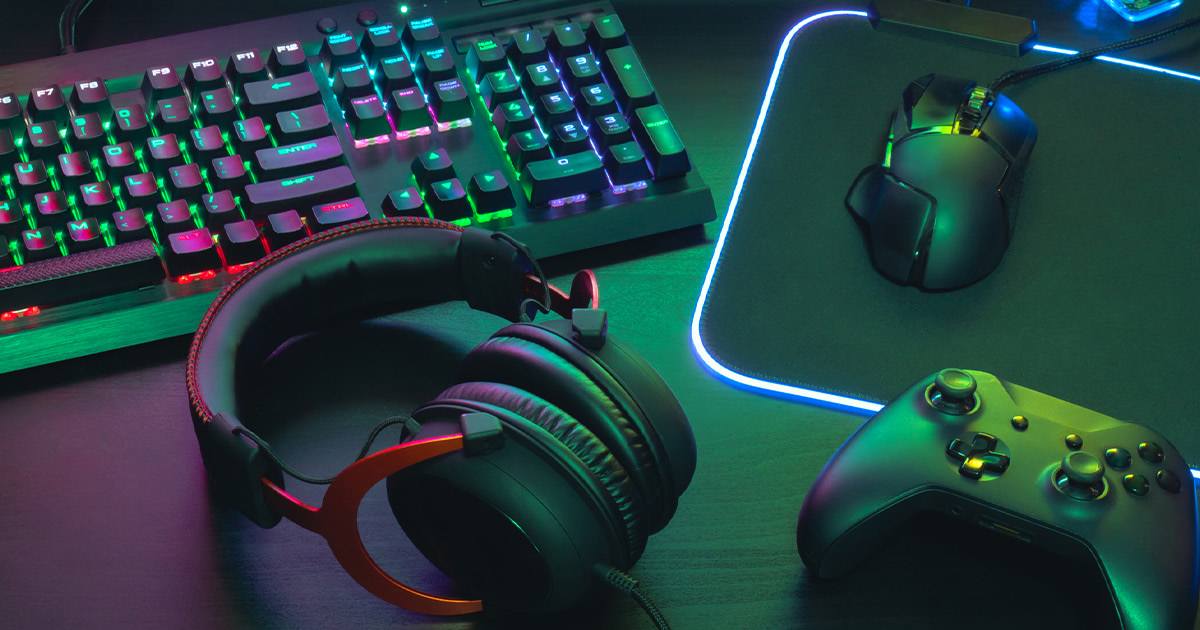
Imagine a world where everyone, regardless of their physical abilities, can fully immerse themselves in the joy of gaming. It's not just a dream; it's a reality being shaped by innovative technology that's tearing down barriers and leveling the playing field, one controller at a time.
For many, gaming isn't just a hobby; it's a way to connect with friends, explore fantastical worlds, and challenge oneself. But for individuals with limited mobility, standard controllers can present significant obstacles. The frustration of not being able to execute complex maneuvers, the limitations of relying on specific hand functions, and the overall sense of exclusion can be disheartening.
That's where gaming adaptive controllers come in. These aren't your typical gamepads; they're meticulously designed pieces of hardware that cater to a diverse range of needs. They allow gamers with disabilities to customize their control schemes, remap buttons, and connect external switches, joysticks, and other assistive devices, ultimately empowering them to play their favorite games with greater ease and enjoyment.
Gaming adaptive controllers represent a significant step towards inclusivity in the gaming world. By offering customizable solutions and breaking down accessibility barriers, they empower individuals with disabilities to participate fully in the gaming community. These controllers are more than just hardware; they are keys that unlock new possibilities, foster connection, and enable everyone to experience the joy and challenge of gaming.
My First Encounter with Adaptive Gaming
I remember attending a gaming convention a few years ago and stumbling upon a small booth tucked away in a corner. It wasn't showcasing the latest AAA title or a flashy new console. Instead, it featured a collection of uniquely shaped controllers, buttons, and switches. Intrigued, I stopped to learn more and was introduced to the world of adaptive gaming. The demonstrator, a passionate gamer with limited hand mobility, showed me how he used a custom setup to play a fighting game. He explained how he remapped the buttons to foot pedals and used a joystick controlled by his chin to execute complex combos. Watching him play, I was struck by his skill and the sheer determination in his eyes. It was a powerful reminder that gaming is for everyone, regardless of their physical limitations.
This encounter opened my eyes to the importance of accessible gaming hardware. Before, I hadn't fully appreciated the challenges faced by gamers with disabilities. I realized that standard controllers, designed with the average user in mind, often exclude individuals with mobility impairments. Adaptive controllers address this issue by providing customizable solutions that can be tailored to individual needs. They allow gamers to remap buttons, adjust sensitivity, and connect external devices, such as switches, joysticks, and eye-tracking systems. The goal is to create a personalized gaming experience that empowers individuals to play comfortably and effectively. By breaking down accessibility barriers, adaptive controllers foster inclusivity and ensure that everyone has the opportunity to enjoy the joy and challenge of gaming.
What are Gaming Adaptive Controllers?
Gaming adaptive controllers are specially designed input devices that allow individuals with disabilities to play video games. They differ from standard controllers in their modular design, customization options, and compatibility with assistive technologies. Unlike traditional gamepads, which are typically one-size-fits-all, adaptive controllers can be configured to meet the specific needs of each user.
At their core, gaming adaptive controllers are about providing access. They are built around the concept of modularity, allowing gamers to connect various external devices, such as buttons, joysticks, and switches, to create a personalized control scheme. This flexibility is crucial because individuals with disabilities have a wide range of needs and preferences. Some may have limited hand mobility and require larger, more accessible buttons. Others may need to use their feet or head to control the game. Adaptive controllers empower gamers to find the configuration that works best for them. Beyond the hardware itself, adaptive controllers are also supported by software that allows for extensive customization. Gamers can remap buttons, adjust sensitivity settings, and create custom profiles for different games. This level of control ensures that the gaming experience is both comfortable and engaging. The rise of adaptive gaming controllers signifies a shift towards greater inclusivity in the gaming industry. By providing accessible hardware and software, these devices enable individuals with disabilities to participate fully in the gaming community and experience the joy of playing video games.
The History and Evolution of Accessible Gaming
The history of accessible gaming is a testament to the ingenuity and determination of both gamers and developers. Early efforts to create accessible gaming solutions often relied on DIY modifications and custom-built devices. Gamers with disabilities would adapt existing controllers using switches, buttons, and other assistive technologies.
As technology advanced, so too did the sophistication of accessible gaming hardware. In the 2000s, companies began to recognize the growing demand for accessible gaming solutions and started to develop specialized controllers and software. These early adaptive controllers were often expensive and limited in their functionality, but they represented a significant step forward in making gaming more inclusive. The release of the Xbox Adaptive Controller in 2018 marked a turning point in the history of accessible gaming. Developed by Microsoft in collaboration with disability advocacy groups, the Xbox Adaptive Controller is a versatile and affordable device that is compatible with a wide range of assistive technologies. Its modular design and extensive customization options have made it a popular choice among gamers with disabilities. The Xbox Adaptive Controller has also helped to raise awareness of accessible gaming and has encouraged other companies to invest in this area. Today, there is a growing ecosystem of adaptive gaming hardware and software, including controllers, switches, joysticks, and eye-tracking systems. These devices are constantly evolving to meet the changing needs of gamers with disabilities. The future of accessible gaming is bright. As technology continues to advance and awareness of accessibility grows, we can expect to see even more innovative and inclusive gaming solutions in the years to come.
Unlocking Hidden Potential: The Secrets of Adaptive Controllers
Adaptive gaming controllers hold a wealth of hidden potential, far beyond their basic functionality. They are not just about enabling access; they are about unlocking creativity, fostering innovation, and empowering individuals to express themselves through gaming.
One of the hidden secrets of adaptive controllers is their ability to foster innovation. When faced with the challenge of designing an accessible control scheme, gamers often come up with creative solutions that push the boundaries of what is possible. They may combine different assistive technologies, repurpose existing devices, or even develop their own custom hardware. This spirit of innovation has led to the development of new gaming techniques and strategies that benefit all players, regardless of their abilities. Another hidden secret of adaptive controllers is their ability to empower individuals to express themselves through gaming. For gamers with disabilities, gaming can be a powerful form of self-expression. It allows them to explore their creativity, challenge themselves, and connect with others. Adaptive controllers enable gamers to personalize their gaming experience and to create a unique style of play that reflects their individual strengths and preferences. Adaptive gaming controllers are more than just tools; they are instruments of empowerment. They unlock hidden potential, foster innovation, and enable individuals to express themselves through gaming. By embracing accessibility, the gaming industry can create a more inclusive and vibrant community for all.
Recommendations for Choosing the Right Adaptive Controller
Selecting the right adaptive gaming controller can feel overwhelming, given the variety of options available. The key is to consider individual needs, preferences, and the specific games you want to play.
First, assess your specific needs and limitations. What type of mobility impairments do you have? Which hand(s) are affected? What are your preferred methods of control (e.g., hands, feet, head, eyes)? Once you have a clear understanding of your needs, you can start to explore different types of adaptive controllers. The Xbox Adaptive Controller is a versatile option that is compatible with a wide range of assistive technologies. It allows you to connect external buttons, joysticks, and switches to create a personalized control scheme. Other options include specialized controllers designed for specific types of games, such as racing wheels or flight sticks. Consider the games you want to play. Some adaptive controllers are better suited for certain types of games than others. For example, a racing wheel with foot pedals may be ideal for racing games, while a joystick with customizable buttons may be better suited for action games. Research different adaptive controllers and read reviews from other gamers with disabilities. This will give you a better understanding of the pros and cons of each option. It's also important to try out different controllers before you make a purchase. Many gaming conventions and disability advocacy organizations offer opportunities to demo adaptive gaming hardware. By trying out different controllers, you can find the one that feels most comfortable and natural to use. Adaptive gaming controllers are an investment, so it's important to choose the right one. By considering your individual needs, preferences, and the games you want to play, you can find an adaptive controller that empowers you to enjoy gaming to the fullest.
Exploring Alternative Input Methods
Beyond adaptive controllers, a world of alternative input methods exists to enhance accessibility. These range from specialized joysticks and switches to eye-tracking systems and voice-controlled interfaces.
Specialized joysticks can be adapted to suit a variety of needs. Mini joysticks require minimal movement, while others can be controlled with the feet or chin. Switches offer a simple on/off control, which can be used for a variety of actions, such as jumping, firing, or navigating menus. Eye-tracking systems use cameras to track the user's eye movements and translate them into game controls. This technology is particularly useful for gamers with limited mobility. Voice-controlled interfaces allow gamers to control games using their voice. This technology can be used to perform a variety of actions, such as moving, attacking, or interacting with objects in the game world. These alternative input methods can be used in conjunction with adaptive controllers to create a highly personalized gaming experience. For example, a gamer with limited hand mobility could use an adaptive controller for basic movement and a voice-controlled interface for more complex actions. The key is to experiment with different input methods and find the combination that works best for you. The possibilities are endless. As technology continues to advance, we can expect to see even more innovative and accessible input methods emerge, further expanding the horizons of gaming for everyone.
Tips and Tricks for Optimizing Your Adaptive Gaming Setup
Once you've acquired an adaptive controller, the journey to seamless gameplay has just begun. Fine-tuning your setup is essential to maximizing comfort, efficiency, and enjoyment.
Start by experimenting with different button layouts and sensitivity settings. Most adaptive controllers offer extensive customization options, allowing you to remap buttons, adjust sensitivity, and create custom profiles for different games. Take the time to find the settings that work best for you. Consider the ergonomics of your setup. Make sure that your controller, switches, and other input devices are positioned comfortably and within easy reach. You may need to experiment with different desk heights, chair positions, and mounting options to find the optimal setup. Don't be afraid to ask for help. There are many online communities and disability advocacy organizations that can provide advice and support. These resources can be invaluable in helping you to troubleshoot problems, find new accessories, and connect with other gamers with disabilities. Practice makes perfect. It takes time to learn how to use an adaptive controller effectively. Don't get discouraged if you don't see results immediately. Keep practicing, and you'll eventually develop the muscle memory and coordination you need to excel at your favorite games. Remember that adaptive gaming is a journey, not a destination. There's always something new to learn and explore. By experimenting with different setups, seeking advice from others, and practicing regularly, you can optimize your adaptive gaming setup and unlock your full potential as a gamer.
Finding the Right Accessories and Peripherals
Adaptive controllers often serve as the foundation for a larger ecosystem of accessories and peripherals. These add-ons can significantly enhance comfort, control, and overall gaming experience.
External buttons and switches are essential for remapping actions to more accessible locations. Look for buttons with varying sizes, shapes, and activation forces to find what suits your dexterity. Joysticks offer alternative movement control, especially beneficial for those who find traditional thumbsticks challenging. Consider mini-joysticks for minimal movement or larger, more robust options for greater control. Mounts and stands are crucial for positioning controllers and accessories in a comfortable and accessible manner. Explore adjustable arms, clamps, and suction mounts to create an ergonomic setup. Head-tracking devices translate head movements into game controls, ideal for players with limited hand or arm mobility. Voice control software enables hands-free operation of games and menus, providing another layer of accessibility. Don't overlook comfort and support. Consider wrist rests, arm supports, and ergonomic seating to prevent fatigue and strain during long gaming sessions. When selecting accessories and peripherals, prioritize compatibility with your adaptive controller and the games you want to play. Read reviews, experiment with different options, and don't hesitate to seek advice from other gamers with disabilities. Remember that the goal is to create a personalized gaming setup that empowers you to play comfortably and effectively. The possibilities are endless. With the right accessories and peripherals, you can transform your gaming experience and unlock new levels of enjoyment.
Fun Facts and Surprising Statistics About Adaptive Gaming
Adaptive gaming is more than just a niche; it's a growing movement with a rich history and a promising future. Here are some fun facts and surprising statistics that highlight the impact of accessible gaming.
Did you know that the first adaptive gaming devices were created by gamers themselves? Faced with the lack of accessible options, individuals with disabilities took matters into their own hands, modifying existing controllers and building custom devices. The Xbox Adaptive Controller was developed in collaboration with disability advocacy groups, ensuring that it met the needs of a diverse range of gamers. The controller features 19 3.5mm ports and two USB ports, allowing for a wide range of external devices to be connected. According to a recent study, over 46 million gamers in the United States have disabilities. This represents a significant portion of the gaming population, highlighting the importance of accessible gaming solutions. The market for adaptive gaming hardware and software is expected to reach $1 billion by
2025. This growth reflects the increasing demand for accessible gaming solutions and the growing awareness of the importance of inclusivity in the gaming industry. Adaptive gaming not only provides entertainment but also offers therapeutic benefits. Gaming can improve cognitive function, hand-eye coordination, and social skills, particularly for individuals with disabilities. Adaptive gaming is not just about making games accessible; it's about creating a more inclusive and equitable gaming community for everyone. By breaking down accessibility barriers, adaptive gaming empowers individuals with disabilities to participate fully in the gaming world and experience the joy and challenge of playing video games.
How to Get Started with Adaptive Gaming
Taking the first steps into the world of adaptive gaming can seem daunting, but it's a journey filled with potential and empowerment. Here's a practical guide to help you get started.
Start by assessing your needs and preferences. What type of games do you enjoy? What are your physical limitations? What input methods are most comfortable for you? Once you have a clear understanding of your needs, you can start to research different adaptive gaming solutions. Explore different types of adaptive controllers, switches, joysticks, and other assistive technologies. Read reviews, watch videos, and talk to other gamers with disabilities to learn about their experiences. Consider your budget. Adaptive gaming hardware can be expensive, so it's important to set a budget before you start shopping. There are many affordable options available, so don't feel like you need to break the bank to get started. Start with a simple setup. You don't need to buy everything at once. Start with the basics, such as an adaptive controller and a few essential accessories. You can always add more equipment later as you gain experience. Experiment with different settings and configurations. Most adaptive gaming hardware offers extensive customization options. Take the time to find the settings that work best for you. Don't be afraid to ask for help. There are many online communities and disability advocacy organizations that can provide advice and support. These resources can be invaluable in helping you to troubleshoot problems, find new accessories, and connect with other gamers with disabilities. Remember that adaptive gaming is a journey, not a destination. There's always something new to learn and explore. By starting small, experimenting with different options, and seeking advice from others, you can embark on a rewarding journey into the world of adaptive gaming.
What If Adaptive Gaming Becomes Mainstream?
Imagine a future where adaptive gaming isn't a niche but an integral part of the gaming landscape. What impact would this have on the industry, on gamers with disabilities, and on gaming as a whole?
For gamers with disabilities, mainstream adoption of adaptive gaming would mean greater access to games and a more inclusive gaming community. They would no longer have to struggle with inaccessible controllers or feel excluded from the gaming world. Game developers would be incentivized to design games with accessibility in mind from the outset, ensuring that all players can enjoy the same experiences. Mainstream adoption of adaptive gaming would also lead to greater innovation in accessible gaming hardware and software. Companies would invest more resources in developing new and improved assistive technologies, making gaming even more accessible and enjoyable for everyone. The gaming industry would become more diverse and inclusive. Gamers with disabilities would be represented in game development, esports, and other areas of the gaming world. This would lead to a more diverse range of perspectives and experiences in gaming, enriching the industry as a whole. Adaptive gaming would become a mainstream form of entertainment. People of all abilities would enjoy playing games together, regardless of their physical limitations. This would foster a greater sense of community and connection among gamers. A future where adaptive gaming is mainstream is a future where gaming is truly for everyone. It's a future where all players can enjoy the same experiences, regardless of their abilities. By embracing accessibility, the gaming industry can create a more inclusive and equitable world for all.
Top 5 Adaptive Gaming Controllers to Consider
With a variety of adaptive gaming controllers on the market, choosing the right one can be a challenge. Here's a list of five top contenders, each offering unique features and benefits.
1. Xbox Adaptive Controller: This versatile controller is compatible with a wide range of assistive technologies and offers extensive customization options. It's a popular choice among gamers with disabilities due to its affordability and flexibility.
2. Logitech Adaptive Gaming Kit: Designed to work seamlessly with the Xbox Adaptive Controller, this kit includes a variety of buttons and triggers that can be easily customized.
3. Quadstick FPS Game Controller: This mouth-operated controller allows gamers with limited hand mobility to play games using their breath and tongue movements.
4. Able Net Jelly Bean Twist Switch: This simple and durable switch can be used to activate a variety of actions in games. It's a great option for gamers who need a reliable and accessible input method.
5. 3d Rudder Foot Powered Motion Controller: This foot-controlled device allows gamers to navigate game worlds and perform other actions using their feet. It's a great option for gamers who have limited hand or arm mobility. When choosing an adaptive gaming controller, it's important to consider your individual needs, preferences, and the types of games you want to play. Research different options, read reviews, and talk to other gamers with disabilities to find the controller that's right for you. Adaptive gaming is a journey, not a destination. By experimenting with different controllers and accessories, you can find the setup that allows you to enjoy gaming to the fullest.
Question and Answer about Gaming Adaptive Controllers
Q: What exactly makes a gaming controller "adaptive"?
A: Adaptive controllers are designed with modularity and customization in mind. They often feature large, easily accessible buttons, ports for connecting external switches and joysticks, and software that allows for remapping controls and adjusting sensitivity.
Q: Are adaptive controllers only for people with severe disabilities?
A: Not at all! Adaptive controllers can benefit anyone who finds standard controllers uncomfortable or difficult to use. They can be helpful for people with arthritis, carpal tunnel syndrome, or even just those who prefer a different control scheme.
Q: Where can I find adaptive gaming equipment?
A: Several major manufacturers, like Microsoft and Logitech, offer adaptive gaming controllers and accessories. Online retailers and specialty stores also carry a variety of adaptive gaming equipment. Additionally, many disability advocacy organizations can provide resources and guidance.
Q: Are adaptive controllers expensive?
A: Adaptive controllers can vary in price depending on their features and complexity. Some, like the Xbox Adaptive Controller, are relatively affordable, while others, with specialized functions, can be more expensive. However, there are also many affordable accessories and DIY options available.
Conclusion of Gaming Adaptive Controllers: Accessible Gaming Hardware
Gaming adaptive controllers are revolutionizing the gaming landscape, offering a gateway to immersive entertainment for individuals with disabilities. These innovative devices, with their customizable designs and compatibility with assistive technologies, break down barriers and empower gamers to experience the joy and challenge of virtual worlds. As awareness grows and technology advances, adaptive gaming is poised to become increasingly mainstream, fostering inclusivity and creating a more equitable gaming community for all. By embracing accessibility, the gaming industry can unlock hidden potential, foster innovation, and ensure that everyone has the opportunity to enjoy the transformative power of gaming.
Post a Comment