Gaming Resilience Factors: Protective Elements in Gaming
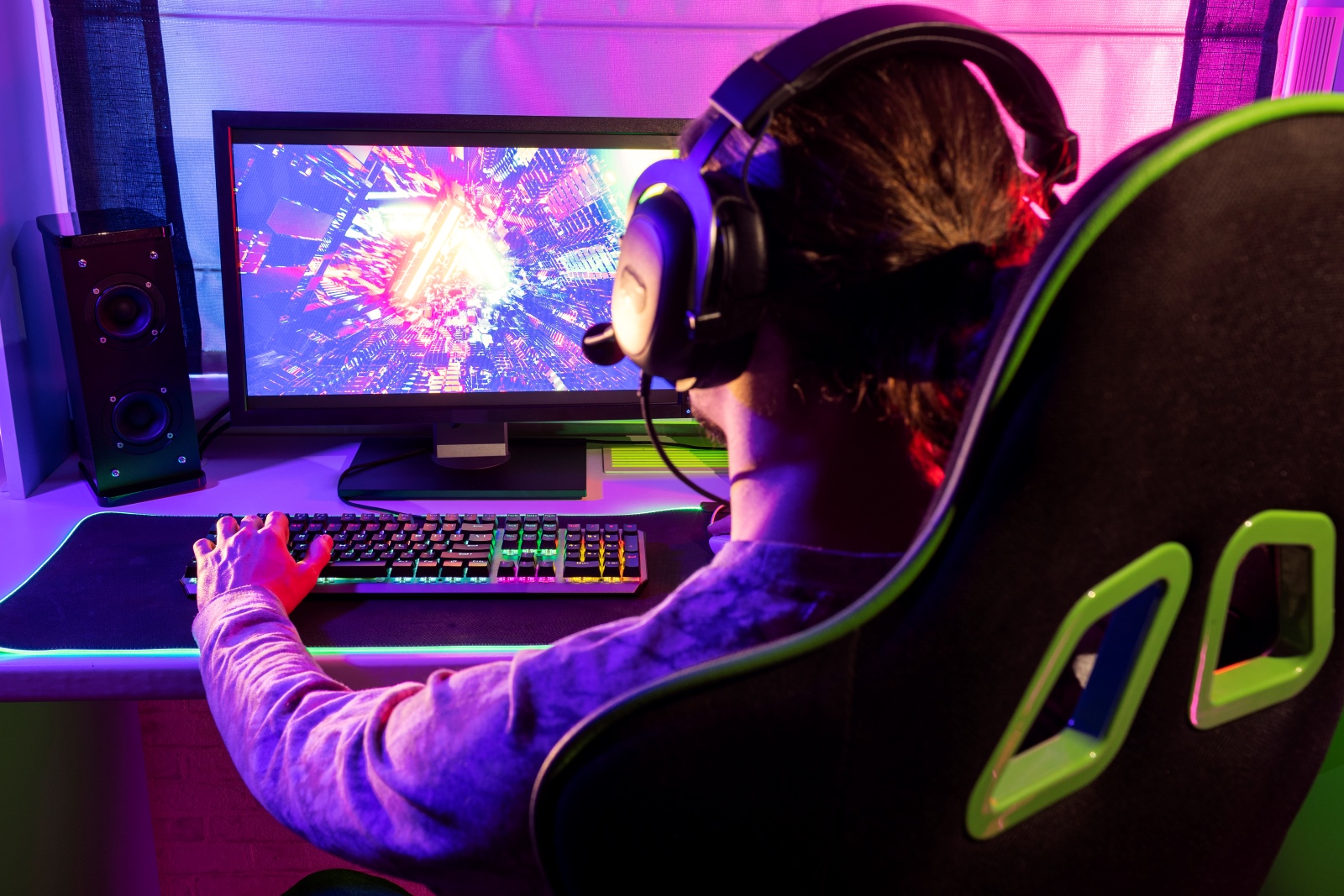
Ever wondered what keeps gamers going, even after a crushing defeat or a seemingly insurmountable challenge? It's not just about skill; it's about resilience. It's about the things that protect them, the invisible armor that allows them to learn, adapt, and ultimately, thrive within the gaming world.
Too often, the conversation around gaming focuses on potential pitfalls: addiction, social isolation, or exposure to negativity. But what about the other side of the coin? What about the aspects of gaming that build strength, foster community, and provide a sense of accomplishment?
This article explores the often-overlooked protective elements within gaming. We'll delve into the factors that contribute to a gamer's resilience, helping them navigate challenges, build meaningful connections, and experience the positive aspects of the gaming world. We'll look at how gaming can foster problem-solving skills, social bonds, and a sense of purpose.
In essence, we're uncovering the positive forces at play within the digital realm. From the development of coping mechanisms to the nurturing of supportive communities, gaming offers a wealth of protective factors that can contribute to a gamer's overall well-being. We'll explore concepts like self-efficacy, social support, cognitive flexibility, and emotional regulation, all within the context of the gaming experience. We hope that this information allows you to grow in the gaming space.
Building Self-Efficacy Through Gaming
Self-efficacy, the belief in one's ability to succeed in specific situations or accomplish a task, is a cornerstone of resilience. Gaming, with its structured challenges and clear progression systems, provides ample opportunities for building this crucial attribute. I remember struggling with a particularly difficult boss in Dark Souls. I died countless times, feeling frustrated and ready to give up. But something kept me going. Each attempt, I learned a little more about the boss's attack patterns, identifying openings and weaknesses. Finally, after what felt like an eternity, I defeated it. The rush of accomplishment was immense. More than just the in-game reward, I felt a surge of self-belief. I realized that with persistence and strategy, I could overcome even the toughest obstacles.
This experience isn't unique. Many games are designed to gradually increase in difficulty, pushing players to learn and adapt. Each completed level, each defeated enemy, each solved puzzle reinforces the idea that "I can do this." This translates into increased confidence and a willingness to take on new challenges, both within and outside of the gaming world. Games offer immediate feedback, whether that's through points, rewards, or simply the satisfaction of progressing. This immediate reinforcement is powerful, especially for individuals who may struggle with self-doubt or lack of confidence in other areas of their lives. The feeling of mastery and control fostered by gaming can be incredibly empowering, contributing to a more resilient and confident individual.
The Power of Social Support in Online Communities
Gaming is often perceived as a solitary activity, but the reality is that many games foster vibrant online communities. These communities can provide crucial social support, another key element of resilience. When I first started playing online multiplayer games, I was nervous. I worried about being judged for my lack of skill or for making mistakes. However, I quickly discovered that most players were incredibly supportive. They were willing to offer advice, share strategies, and even just provide encouragement when I was struggling. I joined a guild in an MMORPG, and suddenly I had a group of people who I could rely on. We helped each other level up, ran dungeons together, and even just chatted about our lives outside of the game.
These online friendships can be incredibly meaningful, especially for individuals who may have difficulty forming connections in the "real world." Online communities offer a sense of belonging and acceptance, where individuals can feel comfortable being themselves and sharing their interests. The shared experience of playing a game together can create strong bonds, fostering empathy, collaboration, and a sense of collective identity. Knowing that you have a support system, a group of people who have your back, can make all the difference when facing challenges, both in-game and in life. The protective effect of this social support can be profound, buffering individuals against stress, loneliness, and feelings of isolation. The bonds are more than what people realize.
Gaming and Cognitive Flexibility
The history of gaming is a testament to human ingenuity and adaptability. From the simple pixelated graphics of early arcade games to the immersive virtual worlds of modern consoles, gaming has constantly evolved, requiring players to adapt and learn new skills. The myth that gaming is a mindless activity is simply untrue. In fact, many games demand a high degree of cognitive flexibility, the ability to switch between different mental tasks and adapt to changing circumstances. The earliest games like Pong and Pac-Man required quick reflexes and strategic thinking to succeed.
As technology advanced, so did the complexity of games. RPGs like Dungeons & Dragons and MMORPGs like World of Warcraft required players to master complex systems, manage resources, and collaborate with others. Strategy games like Star Craft and Civilization demanded players to anticipate their opponents' moves, adapt to changing battlefield conditions, and make quick decisions under pressure. Even seemingly simple games like Tetris and Candy Crush require players to think ahead, plan their moves, and adjust their strategies based on the available resources. These mental exercises can strengthen neural connections, improve memory, and enhance problem-solving skills, all of which contribute to greater resilience in the face of life's challenges.
Unlocking Hidden Secrets: Emotional Regulation
One of the hidden secrets of gaming lies in its potential to improve emotional regulation. While it's true that gaming can sometimes lead to frustration or anger, it also provides a safe space to practice managing these emotions. This isn't about suppressing feelings, but rather about developing healthy coping mechanisms. The "rage quit" stereotype, while sometimes true, is also a caricature. Many gamers learn to manage their frustration by taking breaks, seeking advice from others, or simply adjusting their strategy. These are valuable skills that can be applied to other areas of life.
Moreover, games can provide opportunities to experience a wide range of emotions, from joy and excitement to sadness and disappointment. By navigating these emotions in a safe and controlled environment, gamers can learn to develop emotional intelligence and resilience. The ability to recognize, understand, and manage emotions is crucial for success in all aspects of life, from relationships to career. Gaming, when approached in a healthy and balanced way, can be a powerful tool for developing these essential skills, allowing individuals to cope with stress, build stronger relationships, and thrive in the face of adversity.
Recommendations for Harnessing Gaming's Protective Elements
To truly harness the protective elements of gaming, conscious effort is needed. It's not enough to simply play games; it's about approaching gaming in a way that promotes well-being and resilience. Start by being mindful of your gaming habits. Are you spending excessive amounts of time gaming to the detriment of other areas of your life? Are you neglecting your physical health or social relationships? If so, it may be time to re-evaluate your relationship with gaming. Set realistic time limits, prioritize other activities, and make sure to take regular breaks.
Seek out games that offer opportunities for social connection and collaboration. Join online communities, participate in group activities, and build relationships with other players. Remember that online interactions should be respectful and supportive. Avoid toxic environments and seek out communities that prioritize positive communication and inclusivity. Choose games that challenge you intellectually and emotionally, but that also provide a sense of accomplishment and mastery. Look for games that encourage problem-solving, critical thinking, and creativity. And most importantly, remember to have fun! Gaming should be an enjoyable experience that enhances your life, not one that detracts from it. By following these recommendations, you can unlock the full potential of gaming's protective elements and build greater resilience in all aspects of your life.
The Role of Parents and Educators
Parents and educators play a crucial role in helping young people develop healthy gaming habits and harness the protective elements of gaming. Open communication is key. Talk to your children or students about their gaming experiences, listen to their concerns, and provide guidance on how to navigate the potential challenges of online gaming. Encourage them to participate in a variety of activities, both online and offline, to maintain a balanced lifestyle. Help them develop critical thinking skills to evaluate the information they encounter online and to resist peer pressure or negative influences.
Educate them about the potential risks of gaming, such as addiction, cyberbullying, and exposure to inappropriate content. Teach them how to identify these risks and how to protect themselves. At the same time, acknowledge the positive aspects of gaming. Recognize the skills they are developing, the friendships they are building, and the sense of accomplishment they are experiencing. By fostering a supportive and informed environment, parents and educators can help young people make the most of their gaming experiences and develop the resilience they need to thrive in the digital age. It's about finding that balance.
Tips for Building Gaming Resilience
Building resilience in the gaming world, and by extension in life, isn't about avoiding challenges; it's about developing the skills and strategies to overcome them. One key tip is to embrace failure as a learning opportunity. Every loss, every mistake, every setback is a chance to learn and improve. Don't get discouraged by defeats; instead, analyze what went wrong and identify areas where you can improve. Watch replays, read guides, or seek advice from more experienced players. Remember that even the best gamers in the world started somewhere, and they all faced setbacks along the way.
Another important tip is to cultivate a growth mindset. Believe that your abilities can be developed through dedication and hard work. Don't be afraid to try new things, experiment with different strategies, and push yourself beyond your comfort zone. Celebrate your progress, no matter how small. Recognize the effort you are putting in, and acknowledge the improvements you are making. Surround yourself with supportive people who believe in you and encourage your growth. Building resilience is a process, not a destination. It takes time, effort, and a willingness to learn from your experiences. But with persistence and a positive attitude, you can develop the resilience you need to thrive in the gaming world and beyond.
The Importance of Mindfulness and Self-Care
In the midst of intense gaming sessions and demanding challenges, it's easy to forget about the importance of mindfulness and self-care. Taking regular breaks, practicing relaxation techniques, and prioritizing physical and mental health are essential for maintaining resilience and preventing burnout. Set aside time each day for activities that you enjoy and that help you relax. Whether it's reading a book, listening to music, spending time in nature, or simply taking a few deep breaths, find activities that help you de-stress and recharge.
Pay attention to your physical health. Get enough sleep, eat a healthy diet, and exercise regularly. Physical activity can help reduce stress, improve mood, and boost energy levels. It's also important to be mindful of your posture and ergonomics while gaming. Take breaks to stretch and move around to prevent muscle strain and discomfort. Remember that your physical and mental health are interconnected. Taking care of your body can have a positive impact on your mind, and vice versa. By prioritizing mindfulness and self-care, you can build resilience and prevent burnout, allowing you to enjoy gaming in a healthy and sustainable way.
Fun Facts About Gaming and Resilience
Did you know that some studies have shown that playing video games can actually improve cognitive function and enhance problem-solving skills? It's true! Games often require players to think critically, strategize, and adapt to changing circumstances, all of which can sharpen the mind and boost cognitive abilities. Another fun fact is that many professional gamers have coaches and trainers who help them develop not only their gaming skills but also their mental resilience. These coaches often focus on techniques for managing stress, maintaining focus, and bouncing back from setbacks.
It's also interesting to note that some games are specifically designed to promote mental well-being. Games like "Gris" and "Celeste" explore themes of grief, anxiety, and self-discovery, offering players a safe space to process difficult emotions and develop coping mechanisms. Finally, it's worth mentioning that the gaming community is incredibly diverse and inclusive. People from all walks of life come together to share their passion for gaming, creating a supportive and welcoming environment where everyone can feel like they belong. These fun facts highlight the many ways in which gaming can contribute to resilience and overall well-being, challenging the negative stereotypes that often surround the industry.
How to Cultivate a Resilient Gaming Mindset
Cultivating a resilient gaming mindset is a proactive process. It starts with recognizing that challenges are inevitable and that setbacks are a natural part of the learning curve. Instead of viewing losses as failures, see them as opportunities for growth. Analyze your mistakes, identify areas where you can improve, and develop new strategies. Practice self-compassion. Be kind to yourself when you make mistakes, and avoid negative self-talk. Remember that everyone makes mistakes, and that it's okay to struggle sometimes.
Focus on the process, not just the outcome. Celebrate your progress, no matter how small. Acknowledge the effort you are putting in, and recognize the improvements you are making. Surround yourself with supportive people who believe in you and encourage your growth. Join online communities, participate in group activities, and build relationships with other players. Seek out mentors or more experienced players who can offer advice and guidance. Most importantly, remember to have fun! Gaming should be an enjoyable experience that enhances your life, not one that causes stress or anxiety. By cultivating a resilient gaming mindset, you can navigate challenges with greater confidence, build stronger relationships, and unlock your full potential.
What if Gaming Resilience is Overlooked?
What if the positive aspects of gaming, the protective elements that foster resilience, are consistently overlooked? The consequences could be significant. Young people might internalize negative stereotypes about gaming, leading to feelings of guilt, shame, or self-doubt. They might be less likely to explore the potential benefits of gaming, such as improved cognitive function, enhanced problem-solving skills, and increased social connection. They might also be more vulnerable to the potential risks of gaming, such as addiction, cyberbullying, and exposure to inappropriate content, because they lack the tools and resources to navigate these challenges effectively.
Furthermore, overlooking gaming resilience could lead to missed opportunities for parents, educators, and policymakers to support healthy gaming habits and promote positive gaming experiences. Without a clear understanding of the protective elements of gaming, it's difficult to develop effective strategies for preventing problem gaming or for harnessing the power of gaming to promote mental well-being. In short, neglecting gaming resilience could perpetuate negative stereotypes, limit the potential benefits of gaming, and increase the risks for young people. It's essential to shift the conversation from a focus on the potential dangers of gaming to a more balanced and nuanced perspective that recognizes the protective elements and promotes healthy gaming habits.
A Listicle of Gaming Resilience Factors
Here's a quick list of factors that contribute to resilience in gaming:
- Self-Efficacy: The belief in one's ability to succeed, built through overcoming challenges and achieving goals within games.
- Social Support: The sense of belonging and connection fostered by online gaming communities and friendships.
- Cognitive Flexibility: The ability to adapt to changing situations and solve problems, honed through strategic gameplay and quick decision-making.
- Emotional Regulation: The capacity to manage emotions in a healthy way, practiced through navigating wins and losses, frustration, and excitement.
- Mindfulness and Self-Care: The awareness of one's physical and mental health, prioritized through taking breaks, practicing relaxation, and maintaining a balanced lifestyle.
- Growth Mindset: The belief that abilities can be developed through dedication and hard work, encouraging continuous learning and improvement.
- Positive Role Models: Exposure to skilled and supportive players who exemplify healthy gaming habits and sportsmanship.
- Meaningful Challenges: Engaging in games that provide a sense of purpose and accomplishment, fostering motivation and resilience.
- Constructive Feedback: Receiving helpful advice and guidance from other players, coaches, or online resources, promoting learning and growth.
- Healthy Boundaries: Setting limits on gaming time and prioritizing other activities, preventing addiction and maintaining a balanced lifestyle.
These are some of the factors to consider. You can consider other factors too.
Question and Answer Section About Gaming Resilience Factors
Q: Can video games really help build resilience, or is it just wishful thinking?
A: Absolutely! While excessive or unhealthy gaming can be detrimental, research shows that many games can foster problem-solving skills, strategic thinking, teamwork, and emotional regulation – all key components of resilience.
Q: What if my child is getting frustrated and angry while gaming? Is that a sign of poor resilience?
A: Not necessarily. Experiencing frustration is normal, especially when facing difficult challenges. The key is how they cope with it. Encourage them to take breaks, talk about their feelings, and develop strategies for managing their emotions. This is an opportunity to build emotional regulation skills.
Q: How can I encourage my child to find positive online communities in gaming?
A: Help them research different games and communities, looking for those that prioritize inclusivity, respect, and positive communication. Encourage them to participate in group activities and build friendships with other players. Monitor their interactions and be aware of any signs of cyberbullying or toxic behavior.
Q: What are some signs that gaming might be negatively impacting my child's resilience?
A: Look for signs of social isolation, neglecting responsibilities, declining grades, sleep disturbances, and increased irritability or anxiety. If you notice these signs, it's important to have an open and honest conversation with your child and seek professional help if needed.
Conclusion of Gaming Resilience Factors
Gaming, often viewed through a lens of potential harm, possesses a wealth of protective elements that can foster resilience. By understanding and harnessing these factors – from building self-efficacy and social support to enhancing cognitive flexibility and emotional regulation – we can unlock the positive potential of gaming and empower individuals to thrive both within and beyond the digital world. It's about shifting the narrative, embracing a balanced perspective, and promoting healthy gaming habits that contribute to overall well-being.
Post a Comment