Gaming Serious Games: Purpose-Driven Gaming for Health
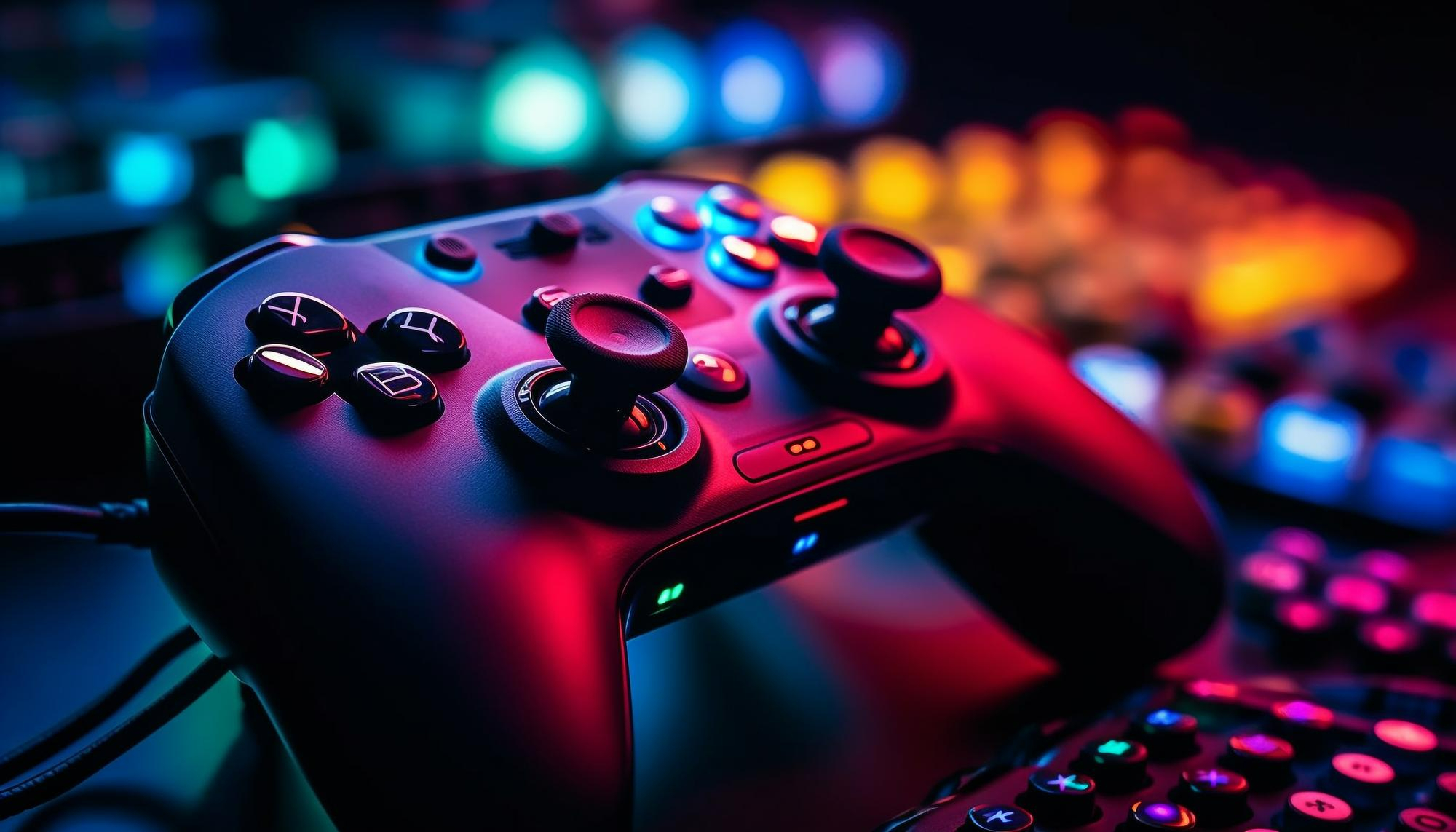
Imagine a world where playing video games isn't just a pastime, but a powerful tool for improving your health and well-being. Sounds like science fiction? Think again! The world of serious games is rapidly evolving, offering innovative ways to tackle real-world health challenges through engaging and interactive gameplay.
Navigating the healthcare system can sometimes feel like an uphill battle. Patients often face difficulties adhering to complex treatment plans, understanding medical information, and staying motivated throughout their healthcare journey. Healthcare professionals, too, seek effective tools to educate, engage, and empower their patients.
Serious games aim to bridge this gap, offering a dynamic and engaging platform for health education, behavior modification, and even rehabilitation. They provide a unique opportunity to transform complex health information into interactive experiences, empowering individuals to take control of their health in a fun and accessible way.
This article explores the exciting world of serious games for health, diving into their potential to revolutionize healthcare. We'll uncover the benefits, explore real-world examples, and discuss the future of this innovative approach to health and wellness. We'll be covering topics such as virtual reality therapy, gamification in healthcare, health education games, and the impact of serious games on patient engagement.
The Power of Engagement
I remember watching my grandfather struggle to stick to his physical therapy routine after a knee replacement. The exercises were repetitive and frankly, quite boring. He'd often skip them, leading to slower recovery and a lot of frustration. Thinking back, I wonder how different things might have been if he'd had access to a serious game designed to make his therapy more engaging. Imagine a game where he could virtually ski down a mountain, with each movement contributing to his rehabilitation goals.
Serious games for health tap into the innate human desire for play and achievement. They leverage game mechanics like rewards, challenges, and progress tracking to motivate users and keep them engaged in their health journey. This can be particularly effective for interventions targeting behavior change, such as smoking cessation or weight management. By making these activities more fun and rewarding, serious games can increase adherence and ultimately, improve health outcomes. For example, a game designed to help children with asthma could involve navigating a virtual world while learning proper breathing techniques and identifying asthma triggers. The game's engaging nature would make learning these important skills less daunting and more memorable. Furthermore, the use of virtual reality can immerse patients in realistic scenarios, allowing them to practice coping mechanisms and develop strategies for managing their conditions in a safe and controlled environment. The key is to design games that are not only entertaining but also grounded in sound scientific principles and evidence-based practices. This ensures that the game mechanics effectively reinforce the desired health behaviors and contribute to positive health outcomes.
What are Serious Games?
Serious games are more than just entertainment. They are games designed with a primary purpose beyond pure enjoyment. They aim to educate, train, or influence behavior in a specific area, often leveraging the engaging nature of games to achieve these goals. In the context of health, serious games address various challenges, from promoting healthy lifestyles to managing chronic conditions.
Think of a game that teaches children about nutrition by having them build healthy meals in a virtual kitchen. Or a game that helps stroke patients regain motor skills through interactive exercises. These are just a few examples of how serious games can be used to improve health and well-being. The effectiveness of serious games lies in their ability to make learning fun and engaging. They can provide a safe and motivating environment for individuals to practice new skills, experiment with different behaviors, and receive feedback in real-time. This is particularly valuable for patients who may be hesitant to participate in traditional forms of therapy or education. Serious games can also be tailored to meet the specific needs of different populations. For example, a game designed for elderly patients with dementia could focus on cognitive stimulation and memory recall, while a game for adolescents with mental health issues could focus on developing coping mechanisms and emotional regulation skills. The key is to carefully consider the target audience and the desired health outcomes when designing the game. Furthermore, serious games can be integrated with other technologies, such as wearable sensors and telehealth platforms, to provide personalized and data-driven interventions. This allows healthcare professionals to monitor patient progress and adjust treatment plans accordingly.
A Brief History & the Myths
The concept of using games for purposes beyond entertainment isn't new. Military simulations and training exercises have existed for decades, demonstrating the power of interactive experiences for learning and skill development. However, the application of gaming principles to healthcare is a relatively recent development.
One common myth surrounding serious games is that they are simply a fad, a fleeting trend that will eventually fade away. However, the growing body of research supporting the effectiveness of serious games suggests otherwise. Studies have shown that serious games can improve patient adherence, increase knowledge retention, and enhance motivation. Another myth is that serious games are only for children or younger adults. While it's true that many serious games are targeted at younger audiences, there is a growing number of games designed for older adults as well. These games often focus on cognitive training, physical rehabilitation, and social engagement. Furthermore, some people believe that serious games are not as effective as traditional forms of therapy or education. However, research suggests that serious games can be just as effective, if not more so, than traditional methods, especially when it comes to engaging patients and promoting long-term adherence. In reality, the evolution of serious games in healthcare is driven by technological advancements, a growing understanding of behavioral psychology, and a desire to find more effective and engaging ways to promote health and well-being. As technology continues to evolve, we can expect to see even more innovative and impactful applications of serious games in the years to come. From virtual reality therapy to personalized health coaching, the possibilities are endless.
The Hidden Secret of Serious Games
The hidden secret to the success of serious games lies in their ability to create a sense of agency and control. When individuals feel like they are actively participating in their health journey, they are more likely to be motivated and engaged. Serious games empower patients to take ownership of their health by providing them with choices, challenges, and opportunities for success.
Another key element is the power of storytelling. A well-crafted narrative can make a serious game more engaging and memorable. By immersing players in a compelling story, developers can help them connect with the game's message on a deeper level. For example, a game that aims to educate patients about diabetes could tell the story of a character who is struggling to manage their condition. By following the character's journey, players can learn about the challenges of living with diabetes and discover strategies for overcoming them. Furthermore, the social aspect of serious games can also be a powerful motivator. Many serious games allow players to connect with others who are facing similar health challenges. This can create a sense of community and provide players with support and encouragement. For example, a game that helps patients manage their anxiety could include a feature that allows them to chat with other players who are experiencing similar symptoms. This can help players feel less alone and provide them with a safe space to share their experiences. The hidden secret of serious games is that they are not just about entertainment. They are about empowering individuals to take control of their health and well-being by providing them with engaging, informative, and supportive experiences.
Recommendations for Serious Games
If you're considering incorporating serious games into your health journey or clinical practice, start by identifying your specific goals. What health challenges are you trying to address? What skills or knowledge do you want to improve? Once you have a clear understanding of your objectives, you can begin to explore the available options.
Look for games that are evidence-based and designed by experts in the field. A good serious game should be grounded in sound scientific principles and developed in collaboration with healthcare professionals. This will ensure that the game is not only engaging but also effective in achieving its intended outcomes. Also, consider the target audience. Is the game designed for children, adolescents, adults, or older adults? Does it cater to the specific needs and preferences of the population you are trying to reach? It's important to choose a game that is appropriate for the age, cognitive abilities, and cultural background of the players. Furthermore, don't be afraid to experiment. There are many different types of serious games available, so try out a few different options to see what works best for you or your patients. Some games may focus on education, while others may focus on behavior change or skill development. The key is to find games that are both engaging and effective in achieving your desired health outcomes. Finally, remember that serious games are just one tool in the toolbox. They should be used in conjunction with other forms of therapy, education, and support. By integrating serious games into a comprehensive treatment plan, you can maximize their potential and improve patient outcomes.
Key Elements of Successful Serious Games
A successful serious game blends entertainment with purpose, creating an experience that is both engaging and effective. Several key elements contribute to this delicate balance.
Firstly, clear learning objectives are essential. Players need to understand what they are expected to learn or achieve through the game. These objectives should be clearly defined and aligned with the overall health goals. Secondly, engaging gameplay is crucial. The game should be fun and challenging, with rewards and incentives that motivate players to keep playing. This can be achieved through a variety of game mechanics, such as puzzles, challenges, competitions, and virtual rewards. Thirdly, the game should provide meaningful feedback. Players need to know how they are progressing and what they need to do to improve. This feedback should be timely, relevant, and constructive. Fourthly, the game should be accessible and easy to use. It should be available on a variety of platforms, such as computers, tablets, and smartphones, and it should be designed with a user-friendly interface. Finally, the game should be evidence-based. It should be designed based on sound scientific principles and evaluated to ensure that it is effective in achieving its intended outcomes. By incorporating these key elements, developers can create serious games that are both engaging and effective in promoting health and well-being. These elements ensure that players are not only entertained but also learning and developing the skills and knowledge they need to improve their health.
Tips for Maximizing the Benefits
To truly harness the power of serious games for health, consider these tips:
Set realistic goals. Don't expect overnight miracles. Serious games are a tool, not a magic bullet. Start with small, achievable goals and gradually increase the challenge as you progress. Also, track your progress. Keep a record of your game play, your achievements, and your overall health outcomes. This will help you stay motivated and see the tangible benefits of your efforts. Find a support system. Connect with others who are also using serious games for health. Share your experiences, offer encouragement, and learn from each other. Integrate serious games into your daily routine. Make them a regular part of your health management plan. This will help you stay consistent and achieve long-term success. Moreover, don't be afraid to ask for help. If you're struggling to understand the game or if you're not seeing the results you expect, reach out to a healthcare professional or a game developer for guidance. Remember that serious games are designed to be fun and engaging. If you're not enjoying the experience, you're less likely to stick with it. Try different games and find something that you truly enjoy. The key is to find a game that motivates you, challenges you, and helps you achieve your health goals in a fun and engaging way. By following these tips, you can maximize the benefits of serious games and improve your overall health and well-being.
The Role of Virtual Reality
Virtual reality (VR) is taking serious games to the next level. By immersing players in realistic and interactive environments, VR can enhance engagement, motivation, and learning.
Imagine using VR to practice public speaking skills in front of a virtual audience. Or using VR to simulate a stressful situation and learn coping mechanisms. The possibilities are endless. VR can be particularly effective for interventions targeting anxiety, phobias, and post-traumatic stress disorder. By exposing patients to virtual versions of their fears, therapists can help them gradually overcome their anxieties in a safe and controlled environment. Furthermore, VR can be used to improve physical rehabilitation. For example, patients who have suffered a stroke can use VR games to practice motor skills and regain their independence. The immersive nature of VR can make therapy more engaging and motivating, leading to better outcomes. In addition, VR can be used for education and training purposes. For example, medical students can use VR simulations to practice surgical procedures or learn about anatomy. The interactive nature of VR can make learning more engaging and memorable, helping students develop the skills they need to succeed in their careers. As VR technology continues to evolve, we can expect to see even more innovative and impactful applications of VR in the field of serious games. From mental health to physical rehabilitation to medical training, VR has the potential to revolutionize the way we approach healthcare.
Fun Facts About Serious Games
Did you know that the U.S. Army was one of the first organizations to use games for serious purposes? Their game, "America's Army," was designed to recruit soldiers and educate the public about the military.
Also, serious games are used in a wide range of industries, from healthcare and education to business and government. They are used to train employees, educate students, and promote social change. The global market for serious games is growing rapidly. It's estimated to reach billions of dollars in the coming years. The use of gamification in healthcare is also on the rise. Healthcare providers are using game mechanics, such as rewards and challenges, to motivate patients and improve adherence to treatment plans. Furthermore, many serious games are designed to be accessible to people with disabilities. They often include features such as adjustable difficulty levels, alternative control schemes, and text-to-speech functionality. One of the most popular types of serious games is the "exergame," which combines exercise with gameplay. Exergames can be used to promote physical activity, improve fitness, and prevent chronic diseases. Finally, some serious games are designed to address social issues, such as climate change, poverty, and inequality. These games can help raise awareness, educate the public, and inspire action. The versatility and effectiveness of serious games make them a valuable tool for addressing a wide range of challenges and promoting positive change in the world.
How to Get Started with Serious Games
Ready to explore the world of serious games? Here's how to get started:
Browse online directories and app stores to find games that align with your health goals. Read reviews and ratings to get a sense of the game's quality and effectiveness. Also, try out a few different games to see what you enjoy and what works best for you. Look for games that are engaging, challenging, and relevant to your needs. Talk to your doctor or healthcare provider about incorporating serious games into your treatment plan. They can help you choose games that are appropriate for your condition and provide guidance on how to use them effectively. Consider joining a serious games community or forum. This will give you the opportunity to connect with other players, share your experiences, and learn from each other. Remember that serious games are just one tool in the toolbox. They should be used in conjunction with other forms of therapy, education, and support. Be patient and persistent. It may take time to see results. Don't get discouraged if you don't see improvement right away. Keep playing and keep learning, and eventually you will reach your goals. By following these steps, you can get started with serious games and begin to experience the many benefits they have to offer.
What If Serious Games...
What if serious games could predict and prevent health problems before they even arise? Imagine a game that analyzes your lifestyle habits, genetic predispositions, and environmental factors to identify potential health risks.
What if serious games could personalize treatment plans based on your individual needs and preferences? Imagine a game that adapts to your learning style, your personality, and your cultural background to provide you with the most effective and engaging care possible. What if serious games could connect you with a global network of healthcare professionals and support groups? Imagine a game that allows you to access expert advice, share your experiences with others, and find the resources you need to manage your health. What if serious games could make healthcare more accessible and affordable for everyone? Imagine a game that is available on your smartphone, that is easy to use, and that is free of charge. These are just a few of the possibilities that could be unlocked by the continued development and adoption of serious games. As technology continues to evolve and as our understanding of human behavior deepens, we can expect to see even more innovative and impactful applications of serious games in the years to come. The future of healthcare is here, and it's being powered by games.
Top 5 Listicle of Serious Games for Health
Here's a quick list of some noteworthy serious games impacting health:
- Endeavor Rx: The first FDA-cleared video game treatment for ADHD in children. It enhances cognitive function through engaging gameplay.
- Re Mission 2: Designed for young cancer patients, this game promotes adherence to treatment by simulating the body's fight against cancer cells.
- Sea Hero Quest: A mobile game that helps scientists collect data on spatial navigation, aiding in the early detection of dementia.
- Play Forward: Asperger's Adventure: This interactive game teaches social skills to children with Asperger's Syndrome in a safe and engaging environment.
- Personal Zen: An app designed to reduce anxiety by training the brain to focus on positive stimuli.
These games represent a diverse range of applications, showcasing the potential of serious games to address various health challenges and improve patient outcomes. They leverage game mechanics, interactive elements, and engaging narratives to motivate players and promote positive health behaviors. The use of technology and data analytics further enhances the effectiveness of these games, allowing for personalized interventions and real-time feedback. As the field of serious games continues to evolve, we can expect to see even more innovative and impactful applications in the years to come.
Question and Answer About Serious Games for Health
Q: Are serious games only for kids?
A: No, serious games are designed for all ages! While many games target children and adolescents, there are also games specifically designed for adults and seniors.
Q: Are serious games effective?
A: Research suggests that serious games can be effective in improving health outcomes. They can increase patient adherence, improve knowledge retention, and enhance motivation.
Q: Are serious games expensive?
A: The cost of serious games varies depending on the game and the platform. Some games are free, while others require a subscription or purchase.
Q: Where can I find serious games?
A: You can find serious games in online directories, app stores, and through healthcare providers.
Conclusion of Gaming Serious Games: Purpose-Driven Gaming for Health
The realm of serious games offers a compelling vision for the future of healthcare. By harnessing the engaging power of games, we can create a more interactive, personalized, and effective approach to health and well-being. From education and prevention to treatment and rehabilitation, serious games have the potential to transform the way we approach healthcare, empowering individuals to take control of their health and live healthier, happier lives. Keep an eye on this exciting field as it continues to evolve and shape the future of healthcare!
Post a Comment