Gaming Well Being: Overall Mental Wellness and Gaming
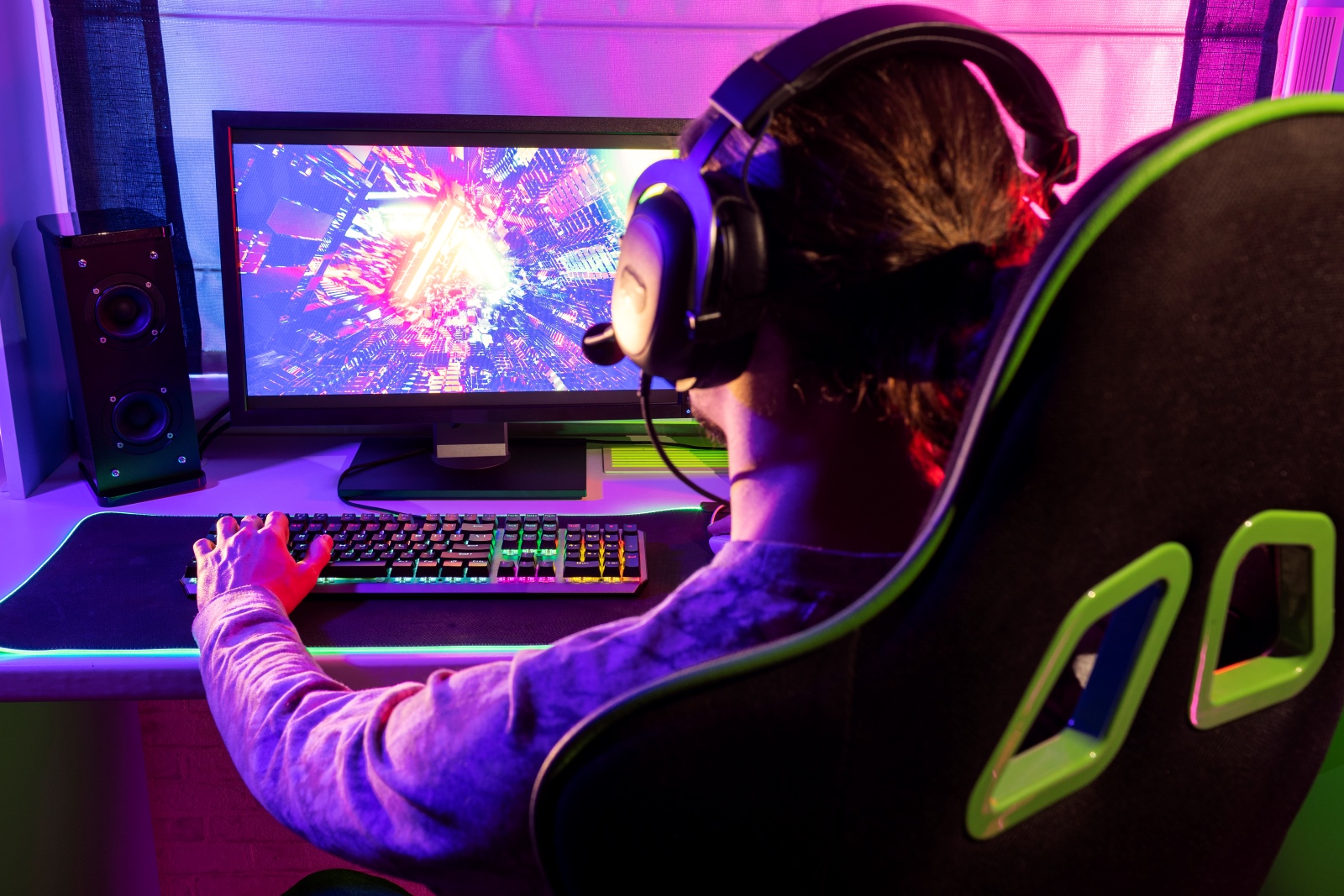
Ever felt that pull, that magnetic force drawing you back into a game, even when you know you should be doing something else? It's a feeling many gamers know intimately, and it's a feeling that can sometimes blur the lines between enjoyment and obligation.
For some, gaming can become an all-consuming activity, leading to neglected responsibilities, strained relationships, and a sense of disconnect from the world around them. The joy once found in virtual worlds can slowly morph into a source of stress and anxiety, creating a cycle that's difficult to break. It's about more than just spending a lot of time gaming; it's about the impact that gaming has on your overall well-being.
This article delves into the world of gaming well-being, exploring how gaming habits can affect your mental health and offering practical strategies for maintaining a healthy balance. We'll look at ways to cultivate a positive gaming experience that enhances, rather than detracts from, your overall quality of life. We'll explore the importance of mindful gaming, setting healthy boundaries, and recognizing when it's time to take a break.
Ultimately, this is about finding a sustainable way to enjoy the games we love while prioritizing our mental and emotional health. It's about striking a balance between the virtual world and the real world, ensuring that gaming remains a source of joy and connection rather than a source of stress and isolation. Key themes we'll touch on include mindful gaming, setting boundaries, recognizing potential problems, and cultivating a balanced lifestyle. We'll discuss the benefits of gaming, strategies for managing time and energy, and resources for seeking help if needed.
The Importance of Balance
Maintaining a healthy balance between gaming and other aspects of life is crucial for overall well-being. I remember a time when I was completely consumed by a particular MMO. The game had just launched, and I was determined to reach the top ranks. I spent countless hours grinding, neglecting my studies and social life in the process. It felt good in the moment, achieving those in-game goals, but the real-world consequences started to pile up. My grades slipped, I started withdrawing from my friends, and I generally felt exhausted and irritable. I knew something had to change.
The truth is, gaming can be incredibly rewarding. It can provide a sense of accomplishment, offer opportunities for social connection, and even boost cognitive skills. However, when gaming starts to encroach on other important areas of life, such as work, school, relationships, or personal hygiene, it's a sign that things are out of balance. It's essential to set boundaries for yourself and stick to them. This might involve limiting your playtime, scheduling regular breaks, and prioritizing real-world activities. Remember, gaming should be a source of enjoyment, not a source of stress or conflict. Finding that balance is key to a healthy and fulfilling gaming experience and a healthy life.
What is Gaming Well-Being?
Gaming well-being encompasses the overall mental, emotional, and social health of individuals who engage in video games. It goes beyond simply asking "are video games good or bad?" and focuses on understanding how gaming interacts with a person's life as a whole. It acknowledges that gaming can have both positive and negative effects, and it emphasizes the importance of cultivating healthy gaming habits.
A person with strong gaming well-being is able to enjoy video games without experiencing negative consequences in other areas of their life. They can manage their time effectively, prioritize their responsibilities, and maintain healthy relationships. They're also aware of the potential risks associated with excessive gaming, such as addiction, social isolation, and physical health problems, and they take steps to mitigate those risks. This might include setting time limits, taking regular breaks, engaging in other hobbies, and seeking support when needed. Ultimately, gaming well-being is about making conscious choices that allow you to enjoy the benefits of gaming while minimizing the potential downsides. It’s about creating a sustainable and enriching relationship with video games.
The History and Myth of Gaming
The history of gaming is intertwined with evolving perceptions of its impact on well-being. Early video games were often viewed with suspicion, portrayed as addictive and isolating activities. Tales circulated about teenagers glued to screens, neglecting their studies and losing touch with reality. While some of these concerns were valid, they were often exaggerated and fueled by a lack of understanding of the medium.
Over time, research has shed light on the potential benefits of gaming, challenging the prevailing myths. Studies have shown that video games can improve cognitive skills such as problem-solving, spatial reasoning, and reaction time. They can also provide opportunities for social interaction and collaboration, fostering a sense of community among players. However, the myths persist, and it's important to approach the topic with a nuanced perspective. The key is to recognize that gaming, like any other activity, can have both positive and negative effects, depending on how it's approached. It's crucial to move beyond simplistic narratives and engage in informed discussions about the complexities of gaming and its impact on well-being. It’s about having a realistic and informed perspective rather than relying on exaggerated stories or outdated assumptions.
The Hidden Secrets of Healthy Gaming
One of the hidden secrets to healthy gaming lies in cultivating a mindful approach. Instead of mindlessly clicking buttons and chasing rewards, take a moment to reflect on your motivations and intentions. Ask yourself why you're playing, what you hope to gain from the experience, and whether it's truly contributing to your overall well-being.
Another often-overlooked secret is the power of community. Gaming can be a social activity, and connecting with other players can provide a sense of belonging and support. However, it's important to be mindful of the communities you join and the people you interact with. Seek out positive and supportive environments where you feel valued and respected. Avoid toxic communities that promote negativity, harassment, or exclusion. Remember, the quality of your social interactions is just as important as the quantity. A small group of genuine friends can be far more beneficial than a large group of superficial acquaintances. Building meaningful connections with other gamers can significantly enhance your gaming experience and contribute to your overall well-being. It means being intentional about your choices and cultivating a positive and supportive social environment.
Recommendations for Gaming Well-Being
My top recommendation for fostering gaming well-being is to prioritize self-care. This means taking care of your physical and mental health, even when you're engrossed in a game. Ensure you're getting enough sleep, eating nutritious meals, and exercising regularly. These basic habits can have a profound impact on your mood, energy levels, and overall well-being, making it easier to manage your gaming habits and avoid burnout.
Another key recommendation is to practice moderation. Set realistic time limits for your gaming sessions and stick to them. Use timers or apps to help you stay on track. Resist the urge to play for hours on end, especially when you have other important responsibilities. Remember, gaming is just one aspect of your life, and it shouldn't come at the expense of other priorities. Finding a healthy balance between gaming and other activities is essential for maintaining your well-being. It means consciously managing your time and energy to ensure that gaming remains a positive and enjoyable experience.
The Importance of Breaks
Taking regular breaks is crucial for preventing eye strain, muscle fatigue, and mental exhaustion. Staring at a screen for extended periods can put a strain on your eyes, leading to headaches and blurred vision. Sitting in the same position for hours can cause muscle stiffness and pain. And constantly focusing on the game can deplete your mental energy, leading to fatigue and irritability.
To combat these issues, make sure to take short breaks every 20-30 minutes. During these breaks, get up and move around, stretch your muscles, and look away from the screen. You can also try the 20-20-20 rule: every 20 minutes, look at something 20 feet away for 20 seconds. These simple breaks can help to reduce eye strain, alleviate muscle tension, and refresh your mind. In addition to short breaks, it's also important to take longer breaks throughout the day. Use these breaks to engage in other activities that you enjoy, such as reading, spending time with loved ones, or pursuing hobbies. It means scheduling regular periods of rest and relaxation to allow your body and mind to recover.
Tips for a Healthy Gaming Lifestyle
One of the most effective tips for a healthy gaming lifestyle is to establish a clear distinction between your gaming space and your work/rest space. If possible, avoid gaming in your bedroom or at your workstation. Creating a dedicated gaming area can help you to mentally separate your gaming activities from other aspects of your life. When you're in your gaming space, you can fully immerse yourself in the game without feeling guilty or distracted by other responsibilities.
When you're outside of your gaming space, you can focus on other activities and responsibilities without being tempted to play. This separation can help you to maintain a healthy balance between gaming and other areas of your life. It can also improve your sleep quality, as you won't associate your bedroom with the stimulating activity of gaming. Another helpful tip is to communicate your gaming schedule to your family and friends. Let them know when you'll be playing and when you'll be available. This can help to avoid conflicts and misunderstandings. It also shows that you respect their time and that you're committed to maintaining healthy relationships. It means being mindful of your surroundings and establishing clear boundaries between your gaming activities and other aspects of your life.
Setting Time Limits
Setting time limits is a fundamental strategy for maintaining a healthy relationship with video games. It involves consciously deciding how much time you're willing to spend gaming each day or week and sticking to that limit. This can be challenging, especially when you're engrossed in a game, but it's essential for preventing excessive gaming and its associated negative consequences.
To set effective time limits, start by assessing your current gaming habits. Track how much time you spend gaming each day or week and identify any patterns or triggers that lead to excessive play. Once you have a clear understanding of your gaming habits, you can set realistic and achievable time limits. Be sure to factor in other important activities, such as work, school, family, and hobbies. It's also helpful to use timers or apps to track your playtime and remind you when it's time to stop. When you reach your time limit, resist the urge to play just "one more game" or "one more level." Instead, switch to another activity and engage in something that you enjoy. It means being proactive and disciplined in managing your gaming time.
Fun Facts About Gaming and Mental Health
Did you know that some studies have shown that playing video games can improve cognitive skills such as problem-solving, spatial reasoning, and memory? While excessive gaming can have negative consequences, moderate gaming can actually be beneficial for brain health. It can also enhance creativity, as many games require players to think outside the box and come up with innovative solutions.
Another fun fact is that gaming can provide a sense of community and social connection. Many games allow players to interact with others online, forming friendships and building relationships. This can be especially beneficial for individuals who struggle with social anxiety or who have difficulty making friends in real life. Gaming communities can provide a safe and supportive environment where people can connect with others who share their interests. However, it's important to be mindful of the types of communities you join and to avoid toxic environments that promote negativity or harassment. It means recognizing the potential cognitive and social benefits of gaming while being aware of the importance of moderation and healthy social interactions. It’s about understanding the positive side of gaming when practiced responsibly.
How to Cultivate a Positive Gaming Experience
Cultivating a positive gaming experience starts with choosing games that align with your values and interests. Avoid games that promote violence, negativity, or exploitation. Instead, seek out games that are engaging, challenging, and rewarding. Games that promote creativity, collaboration, and problem-solving can be particularly beneficial for mental well-being.
It's also important to be mindful of the people you play with. Surround yourself with positive and supportive players who uplift and encourage you. Avoid playing with toxic players who harass, bully, or belittle you. Remember, the quality of your social interactions is just as important as the game itself. Another key element of a positive gaming experience is to focus on the process rather than the outcome. Don't get too caught up in winning or achieving high scores. Instead, focus on enjoying the gameplay and learning new skills. It means being selective about the games you play and the people you play with, and focusing on the intrinsic rewards of the gaming experience. It’s about choosing games and communities that support your well-being.
What if Gaming Feels Like an Obligation?
If gaming starts to feel like an obligation, it's a sign that something is wrong. Gaming should be a source of enjoyment, not a source of stress or pressure. If you find yourself feeling compelled to play even when you don't want to, or if you're experiencing negative emotions such as guilt, anxiety, or resentment, it's time to re-evaluate your relationship with gaming.
One possible solution is to take a break from gaming altogether. This can help you to clear your head and gain a new perspective. When you return to gaming, try setting stricter time limits and being more selective about the games you play. It's also important to identify the underlying reasons why gaming feels like an obligation. Are you trying to escape from real-world problems? Are you seeking validation from other players? Are you feeling pressured to keep up with the latest trends? Addressing these underlying issues can help you to break free from the cycle of compulsive gaming and regain control over your life. It means recognizing the signs of unhealthy gaming and taking steps to address the underlying issues. It’s about prioritizing your well-being and reclaiming your freedom.
A Quick Listicle of Tips for Gaming Well-Being
1. Set Time Limits: Establish clear boundaries for your gaming sessions and stick to them.
2. Take Regular Breaks: Get up and move around every 20-30 minutes to prevent eye strain and muscle fatigue.
3. Prioritize Self-Care: Ensure you're getting enough sleep, eating nutritious meals, and exercising regularly.
4. Choose Positive Communities: Surround yourself with supportive players who uplift and encourage you.
5. Be Mindful of Your Motivations: Reflect on why you're playing and what you hope to gain from the experience.
6. Communicate Your Schedule: Let your family and friends know when you'll be playing and when you'll be available.
7. Create a Dedicated Gaming Space: Avoid gaming in your bedroom or at your workstation.
8. Focus on the Process: Enjoy the gameplay and learning new skills rather than getting caught up in winning.
9. Seek Support When Needed: Don't hesitate to reach out to friends, family, or professionals if you're struggling.
10. Remember It’s OK to Stop: If gaming isn’t fun, or feels like a chore, it’s okay to stop. Find a new hobby.
Question and Answer
Q: How can I tell if my gaming habits are becoming unhealthy?
A: Look for signs such as neglecting responsibilities, strained relationships, feelings of guilt or anxiety about gaming, and difficulty stopping even when you want to.
Q: What are some strategies for managing my gaming time effectively?
A: Set time limits, use timers, schedule breaks, and prioritize other activities in your life.
Q: How can I find positive gaming communities?
A: Look for communities that are known for their supportive and respectful members. Check reviews and forums to get a sense of the community's culture before joining.
Q: What should I do if I feel like I'm addicted to gaming?
A: Seek help from a therapist, counselor, or addiction specialist. They can provide you with the support and resources you need to overcome your addiction.
Conclusion of Gaming Well Being: Overall Mental Wellness and Gaming
Maintaining gaming well-being is an ongoing process that requires awareness, intention, and effort. By understanding the potential impact of gaming on your mental and emotional health, and by implementing the strategies discussed in this article, you can cultivate a positive and sustainable gaming experience that enhances, rather than detracts from, your overall quality of life. Remember to prioritize self-care, set healthy boundaries, and seek support when needed. With a mindful and balanced approach, you can continue to enjoy the games you love while living a fulfilling and meaningful life.
Post a Comment